ALBANY, N.Y. — President Donald Trump's effort to install political loyalists as top federal prosecutors has faced significant challenges recently, with judges declaring that his handpicked U.S. attorneys in New Jersey, eastern Virginia, Nevada, and Los Angeles are operating unlawfully.
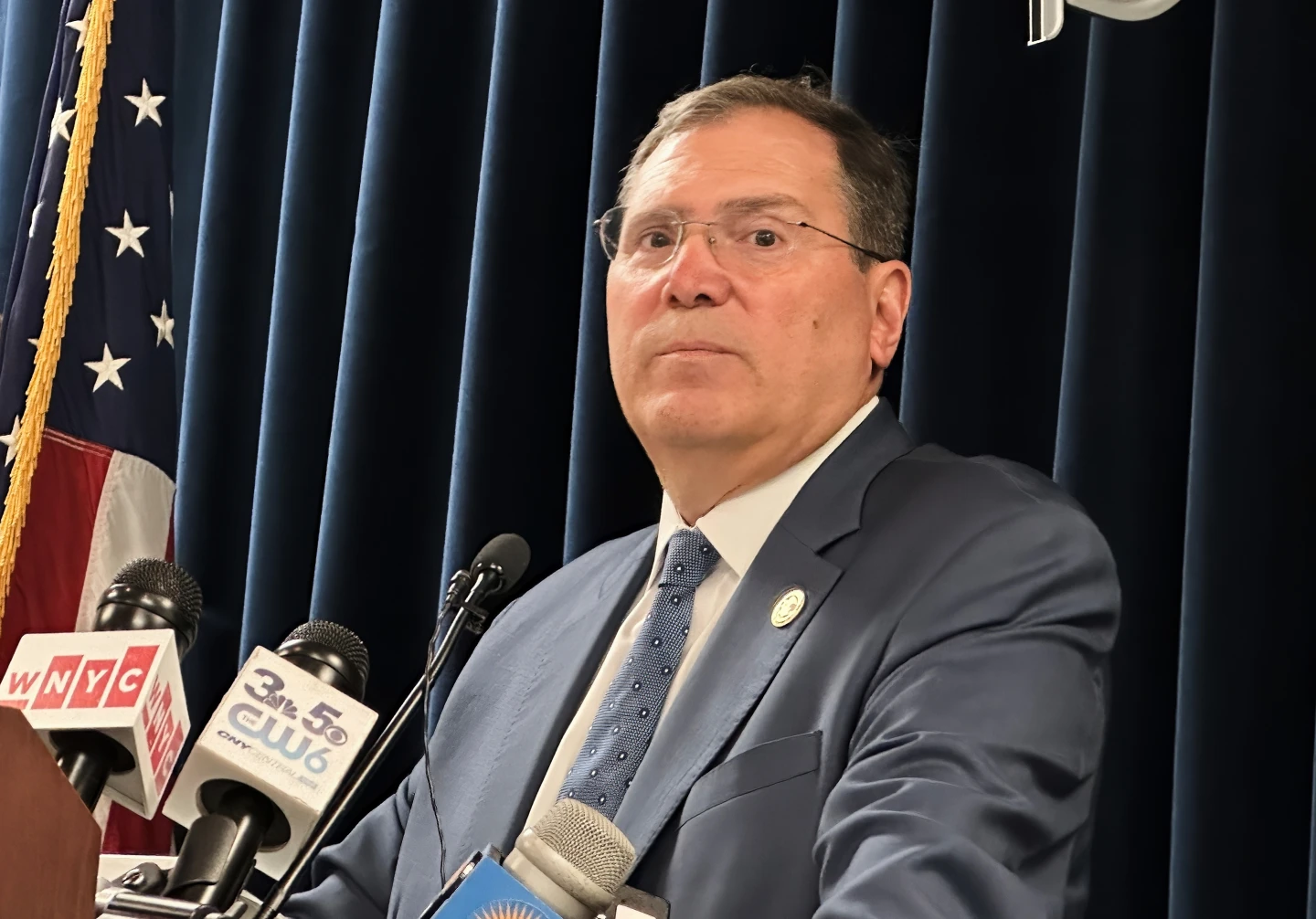
This Thursday, a federal judge reviewed an argument from New York Attorney General Letitia James, who contended that the administration manipulated the law to appoint John Sarcone as the acting U.S. attorney for northern New York.
James, a Democrat, is contesting Sarcone's authority to manage a Justice Department investigation concerning regulatory lawsuits she has initiated against Trump and the National Rifle Association. This challenge is part of a larger strategy to obstruct subpoenas issued during this investigation, which her legal team describes as a campaign of meritless prosecutions targeting Trump's foes.
Her attorney, Hailyn Chen, stated in court that Sarcone illegally exercised authority by issuing those subpoenas, insisting he should be disqualified from the investigation and the office entirely.
However, Justice Department attorneys assert that Sarcone's appointment was legitimate and that the motion to block the subpoenas ought to be rejected. Assistant U.S. Attorney Richard Belliss argued that disqualifying Sarcone would be an extreme measure.
U.S. District Judge Lorna G. Schofield, after questioning both parties, did not indicate when a ruling would be made.
This conflict echoes similar legal disputes in other states regarding the unorthodox methods employed by the Trump administration to appoint prosecutors who might not secure Senate confirmation. Previously, a federal judge in Virginia dismissed charges against James and former FBI Director James Comey, deciding that the interim U.S. attorney responsible for those indictments had also been unlawfully appointed.
Moreover, a recent federal appeals court ruling determined that Alina Habba, one of Trump's former personal lawyers, is unqualified to serve as New Jersey's U.S. attorney.
For U.S. attorney appointments, Senate confirmation is mandated by federal law, yet if a position remains unfilled, the U.S. attorney general can make temporary appointments that last for only 120 days. After that timeframe, district judges can either retain the interim U.S. attorney or appoint someone new.
Trump has not nominated anyone for the northern New York U.S. attorney role, as Sarcone's unusual appointment circumvented these typical legal procedures.
This widespread issue highlights the challenges and ramifications of political appointments in the judicial sphere, with multiple lawsuits in various states pointing to broader implications for legal governance.