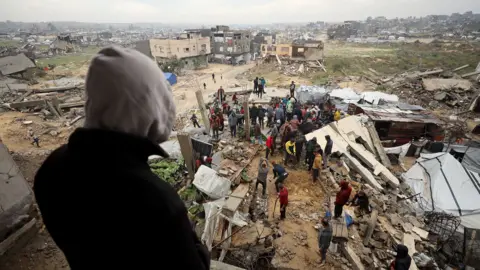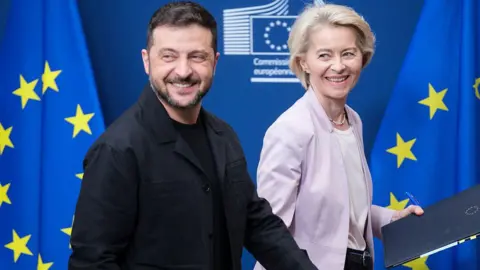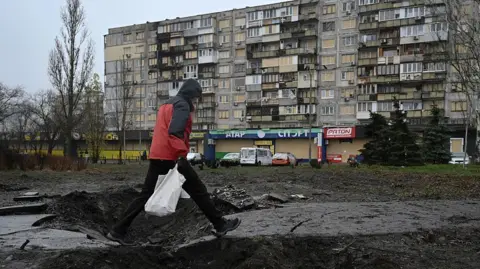
In an unexpected announcement, President Vladimir Putin declared a temporary Easter truce in Ukraine that would last until midnight Sunday, a decision interpreted by many as a ploy rather than a commitment to genuine peace. While Putin justified the ceasefire as a humanitarian effort, skepticism is palpable, particularly in Ukraine, where fighting continues despite the truce. Ukrainian President Volodymyr Zelensky remarked on social media that the Russian military seems to be creating an illusion of peace while still engaging in combat in various regions.
The Russian defense ministry contends that troops adhered to the ceasefire, alleging Ukrainian violations instead. The backdrop of the announcement is significant; following the return of Donald Trump to the White House, there has been speculation that the Kremlin is eager to rebuild its relationship with Washington. The brief 30-hour truce has been construed by some analysts as a calculated decision meant to maintain a façade of peace efforts, especially considering Trump’s public frustration over the lack of progress in negotiations.
Yet, on a more optimistic note, the declaration of the truce, albeit abrupt, may signal room for further diplomatic exploration. Recent diplomatic overtures, including meetings between Trump’s envoy Steve Witkoff and Russian officials, suggest that there is ongoing conversation around ending hostilities. While reports of fighting persist, could this short ceasefire pave the way to more substantive negotiations?
Though the situation remains complex, it is crucial to remember that behind-the-scenes discussions could hold the key to unforeseen breakthroughs. As the situation develops, observers remain watchful for any signs of a meaningful resolution in the fraught landscape of Ukrainian conflict.
The Russian defense ministry contends that troops adhered to the ceasefire, alleging Ukrainian violations instead. The backdrop of the announcement is significant; following the return of Donald Trump to the White House, there has been speculation that the Kremlin is eager to rebuild its relationship with Washington. The brief 30-hour truce has been construed by some analysts as a calculated decision meant to maintain a façade of peace efforts, especially considering Trump’s public frustration over the lack of progress in negotiations.
Yet, on a more optimistic note, the declaration of the truce, albeit abrupt, may signal room for further diplomatic exploration. Recent diplomatic overtures, including meetings between Trump’s envoy Steve Witkoff and Russian officials, suggest that there is ongoing conversation around ending hostilities. While reports of fighting persist, could this short ceasefire pave the way to more substantive negotiations?
Though the situation remains complex, it is crucial to remember that behind-the-scenes discussions could hold the key to unforeseen breakthroughs. As the situation develops, observers remain watchful for any signs of a meaningful resolution in the fraught landscape of Ukrainian conflict.