In the wake of a week marked by increasing violence between Israel and Iran, European nations are making fervent diplomatic efforts to mitigate the ongoing conflict. This comes as hostilities have resulted in substantial damage and loss of life on both sides. Despite these initiatives, Israeli officials have stated their determination to escalate military action against Iranian targets.
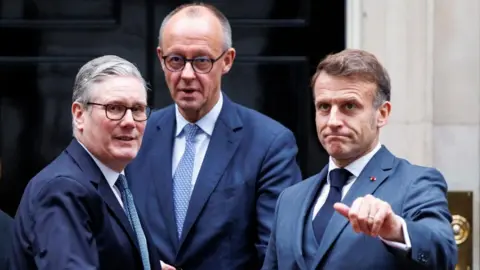
During a press conference on Friday, officials from Germany, France, and the UK, along with the EU's foreign policy chief, are set to meet with Iranian representatives in Geneva. This marks the first formal engagement since the conflict escalated, and European leaders are expected to urge Iran to return to negotiations, despite the complexities surrounding the situation given President Trump's ambiguous stance on possible US military involvement.
Israel's military has ramped up its attacks against Iranian assets in a decisive move. Defense Minister Israel Katz articulated the country's intentions to increase strikes on what he termed "strategic targets" in response to Iranian missile attacks on various Israeli locations, including hospitals. Notably, the Soroka Medical Center in Beersheba was directly hit, leading to damages and minor injuries among patients.
Iran’s missile attacks, claimed by their Revolutionary Guard as a response to Israeli provocations, have resulted in the deaths of numerous civilians. Iranian Foreign Minister Abbas Araghchi downplayed the damage to their military installations, claiming no fatalities occurred from their missile strike responses. The tension remains high as, according to Iranian state media, Israel's airstrikes targeted significant facilities in the Arak and Natanz regions.
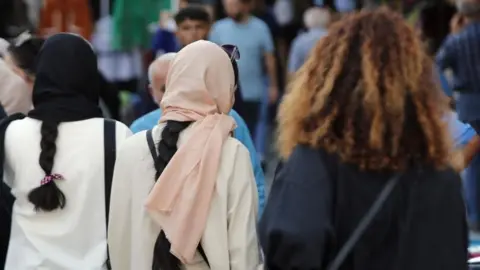
In stark conditions of escalating warfare, Iranian residents have also been significantly affected, experiencing food shortages and lengthy gas lines as turmoil grips major cities. Additionally, a severe internet blackout has been imposed by Iranian authorities, constraining citizens' abilities to communicate and access vital information during this tumultuous time.
Both nations are now navigating the precarious balance between military engagements and diplomatic channels as the global community watches closely for signs of a ceasefire. The outcome of impending discussions and military strategies will be pivotal in determining the future of the region.