In brief
The recent upsurge in hostilities signals a grave humanitarian crisis, with victims of violence and military confrontations escalating amid a disorganized power struggle between forces.
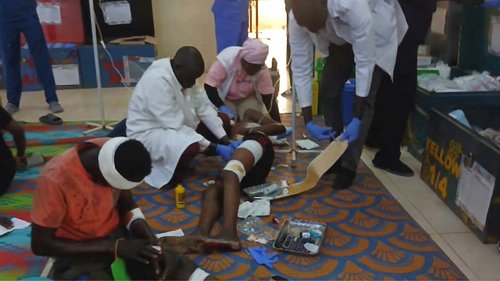
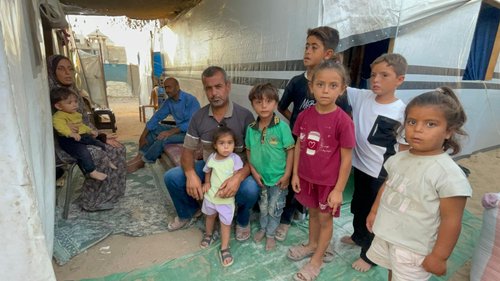
The ongoing conflict in Sudan has seen a dramatic increase in violence over the last week, with activists reporting hundreds of civilian casualties due to aerial bombardments and retaliatory attacks. This surge in conflict represents a troubling shift as the nation grapples with instability following the end of the rainy season, leading to intensified military engagements.Reports indicate that territorial control has shifted amidst the chaos, with a notable military commander changing allegiance, exacerbating the turmoil. Paramilitary groups are accused of horrific acts, including sexual assault, kidnapping, and killings as they navigate through contested regions. Activists and democracy advocates are raising alarms about the escalating violence, which threatens the lives of innocent civilians caught in the crossfire.Adding to the conflict’s complexity, a military cargo plane crash in Darfur, involving Russian crew members, underscores the increasing influence of foreign mercenaries in the ongoing strife. As Sudanese armed forces appear to regain some control over significant territories from the Rapid Support Forces (RSF), the situation remains precarious. Accusations of war crimes are rampant, particularly against the RSF, which has faced serious allegations regarding ethnic cleansing."The renewed fighting season is upon us, and both military factions are eager to secure an upper hand early on," commented Kholood Khair, director at Confluence Advisory. Meanwhile, the humanitarian crisis deepens: over 10 million people have been displaced from their homes, with the region facing widespread famine and a surge in diseases such as cholera and dengue fever. The dire situation prompts urgent calls for a United Nations mission to protect civilians amidst the escalating clashes.