In brief
The World Food Programme announced a severe cut to its food aid operations in Gaza, reducing assistance for 1.1 million people from 1.6 million. Community kitchens will offer fewer meals and families in remote areas will receive rations only every other day. Mothers in Gaza camps describe the reduction as a disaster, and the WFP admits that the cuts stem from financial shortages rather than lower needs. With Gaza’s population already largely displaced and reliant on aid, the funding gap threatens to push the territory into a dangerous food crisis as winter approaches.
The World Food Programme, the main supplier of food aid to the Gaza Strip, has announced a drastic reduction in relief. Assistance will fall from 1.6 million to 1.1 million people, a loss of one‑third of recipients, as funding drops sharply.
Community kitchens, which currently supply 250 000 hot meals a day, will cut output to 150 000. Families in hard‑to‑reach areas—near the Yellow Line that marks Israel’s military zone—will receive a meal only every other day instead of daily.
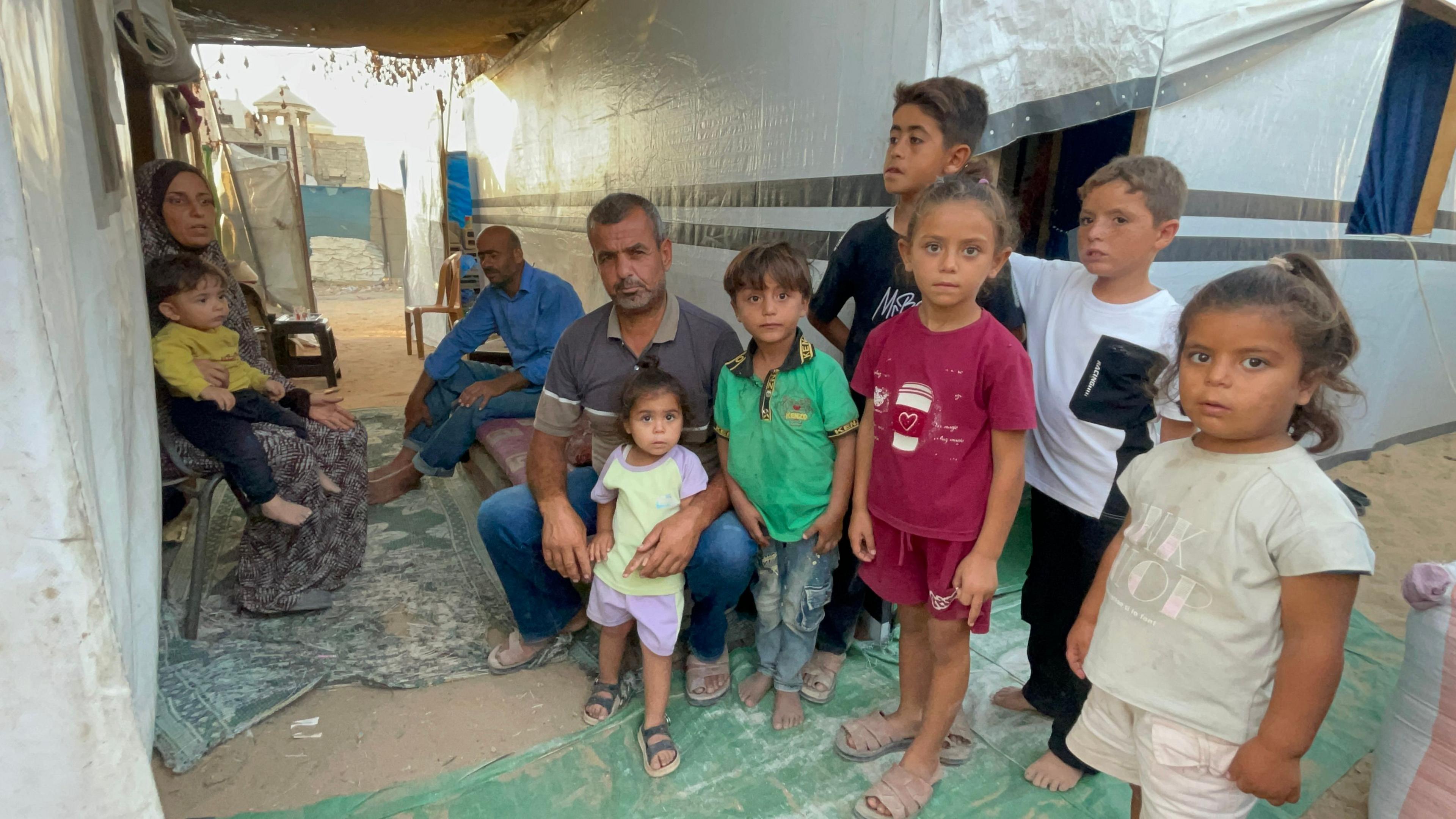
"It's a disaster! What will we do with these reduced rations? How will we provide for the little ones?" – Mervat al‑Satari, mother of five in al‑Mawasi camp.
"This will affect us a lot. The daily aid was somehow ticking the box but now it will be every two days," said Sawsan Bahloul, a mother of three also from al‑Mawasi. "The portions—usually pasta or lentils with occasional potatoes and aubergines—were already too small to feed a family of four.
Shaun Hughes, the WFP Palestine director, clarified that the cuts are due to financial constraints, not a lack of need or access. "The vast majority of Gaza’s 2.1 million residents are displaced and rely on aid to survive," he said.
Since July, cash transfers to about half a million people have been slashed, limiting their ability to purchase food locally. WFP’s ‘flour bags and ration boxes’ programme will now cover 600,000 residents per month, down from 1.1 million.
The agency has received less than half the funding it received in previous years for its Palestinian operations and is calling for $450 million to sustain critical services in the coming months.
Despite an end to the broad Israeli–Hamas conflict a year ago, the humanitarian situation remains bleak. Food markets are stocked, but most residents cannot afford to buy. With Israeli checkpoints controlling imports, the region’s economy is stifled and over 80 % of its population is unemployed.
The Integrated Phase Classification (IPC) warned that two‑thirds of Gaza’s population—1.4 million people—will face crisis or worse levels of acute food insecurity between July and December. The WFP can still support bakeries that meet a third of the area’s bread needs and offers nutritional assistance to 300,000 women and children, as well as health food snacks to 200,000 children.
In the West Bank, the WFP is halving aid to 200,000 Palestinians. Food insecurity is rising in that territory due to increased settler violence and displacement.
“Cuts to food assistance will compound the hardships families have been facing for three years now,” Hughes warned. With a lack of cooking gas—labelled a dual‑use item—and reliance on plastic and cardboard as fuel, families are forced to improvise with limited resources.
The world watches as Gaza’s humanitarian suppression threatens to tip the region into famine as winter tightens around vulnerable populations.