In brief
As fighting escalates in Sudan, the allure of gold leads to illicit and extensive operations, reshaping the economic landscape while ordinary citizens face dire hardships.
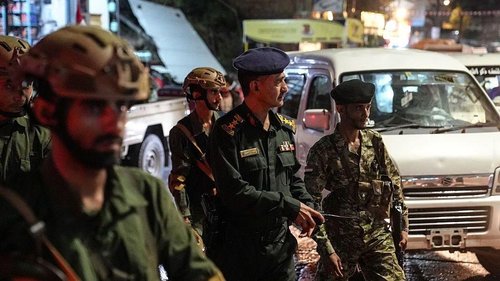
In April, the streets of Khartoum were a testament to the devastation caused by the ongoing civil war, as the military secured control of decimated marketplaces. Despite the dire humanitarian crisis that has left millions facing acute hunger, one remarkable contradiction is emerging: Sudan's gold market is booming.A recent flight to Juba, the capital of South Sudan, was reportedly part of an illicit operation to transport gold mined from conflict-ridden regions such as Darfur. This operation was linked to a paramilitary group accused of dire human rights abuses, including ethnic cleansing. Burdened porters loaded approximately $25 million worth of gold onto a luxury jet, which then set off for the United Arab Emirates, where the gold promptly disappeared into the global marketplace. As war ravages Sudan's infrastructure and economy, leading to one of the worst famines globally affecting roughly 26 million people, the gold trade appears to flourish. Notably, gold production and trade have outpaced even the country's pre-conflict levels—a figure that likely excludes significant smuggling operations that have come to dominate the market.Authorities have struggled to tackle this flourishing gold trade during a time when the nation's health services are overwhelmed, further severing the already fragile economic ties. In the wake of mass displacement and widespread destruction, the ongoing gold rush serves both as a financial lifeline for some and a source of deepening despair and conflict for many more. In Sudan, gold has become both a tool for survival and an instrument of war, raising complex questions about the moral implications of capitalizing on suffering amidst chaos.