In brief
An initial assessment by the United Nations following a deadly earthquake in Afghanistan has revealed significant damage and urgent humanitarian needs. The 6.0 magnitude quake has destroyed over 5,000 homes and affected nearly half a million people, with limited access to remote areas complicating recovery efforts. Relief agencies report a growing risk of cholera outbreaks amid the lack of clean water and sanitation, stressing the need for immediate action as winter approaches.
UNITED NATIONS (AP) — A preliminary report by the United Nations has revealed that Afghanistan's recent earthquake has left 5,230 homes destroyed and 672 damaged across 49 villages. Unfortunately, many remote villages remain inaccessible due to the difficult terrain and aftershocks, complicating relief efforts.
Shannon O’Hara, the coordination chief for the U.N. humanitarian office in Afghanistan, stated, 'The conditions have made it extremely challenging to assess the full extent of the damage in the 441 impacted villages.' On August 31, the earthquake, which measured 6.0 on the Richter scale, resulted in at least 2,200 fatalities, a grim figure that may increase further as rescue operations continue.
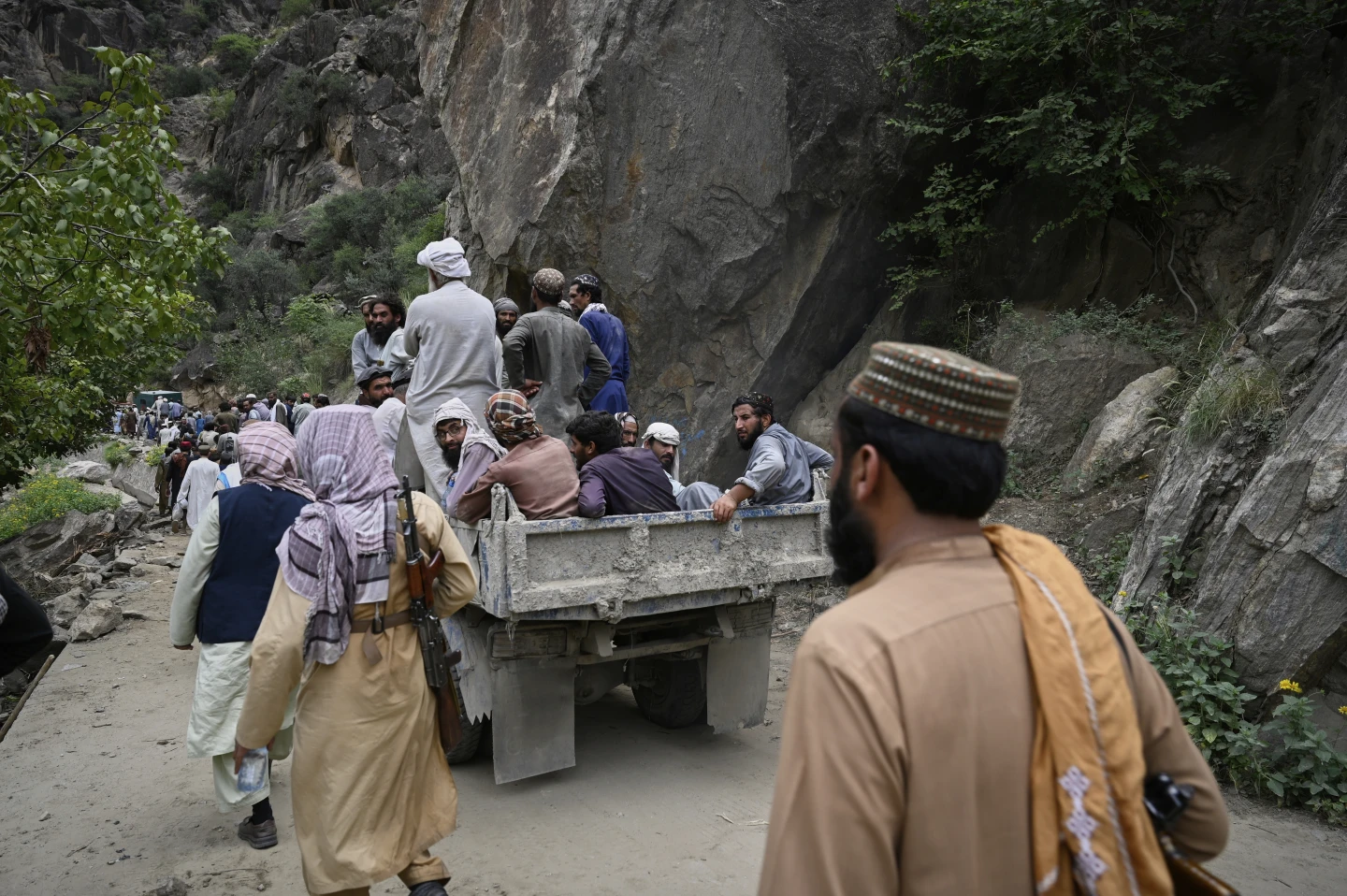
Approximately 500,000 individuals have been affected, including many children and displaced Afghans who were forcibly returned from Pakistan and Iran. O’Hara noted the arduous journey her team had to undertake, taking over six hours to reach the worst-hit area from Jalalabad due to blocked roads along narrow mountain paths.
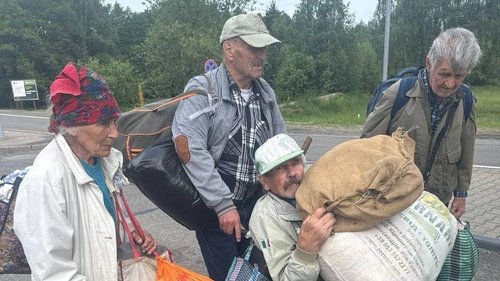
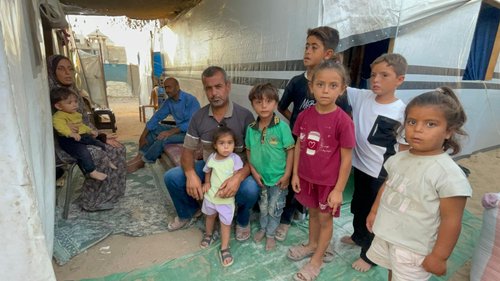
Throughout their journey, U.N. representatives observed families fleeing the destruction, many carrying only the bare essentials, and witnessing entire villages laid to waste, with sick livestock amplifying the stench of death. Numerous families, stripped of their homes, are now residing in congested tents, while many remain exposed to the elements under open skies. Conditions are dire, lacking clean water and adequate sanitation amid a high possibility of cholera outbreaks in the upcoming months.
As the winter season approaches, the U.N. is anticipating an emergency appeal for funding to assist quake victims. 'Time is of the essence,' O’Hara commented, emphasizing the urgency for clean water, food, clothing, and adequate shelter. With the Taliban leading search and rescue operations, there is currently no major obstruction to humanitarian efforts, focusing on the critical role of women in aid distribution and health teams due to prior restrictions.”