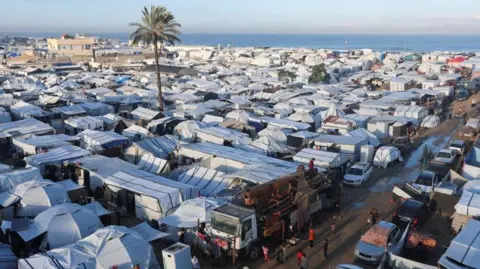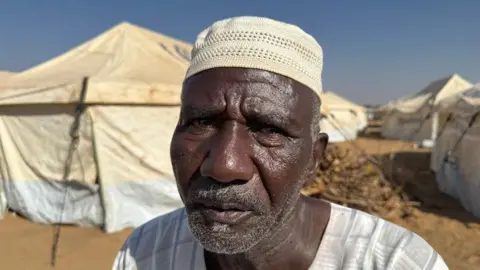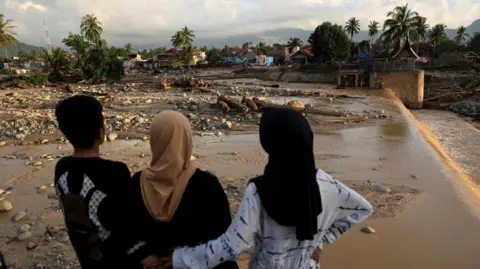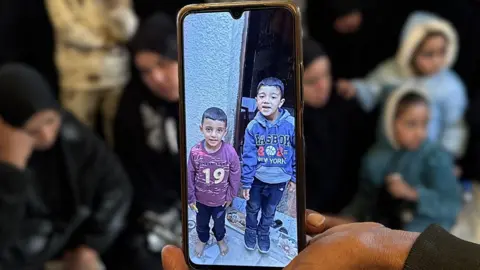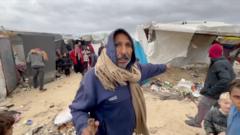
As temperatures drop and winter storms lash the shores, tens of thousands of displaced Palestinians in Gaza confront a new level of adversity. Once popular for day trips, Gaza's beaches have transformed into temporary shelters for those forced from their homes during the protracted conflict. Mohammed al-Halabi, a local resident in Deir al-Balah, lamented, "Nothing is left in the tent: not mattresses, bedding, bread, everything was taken. The sea took it."
Currently, nearly all 2.3 million Palestinians in Gaza have been displaced, with a staggering nine out of ten living in tents, according to the UN. The onset of cold weather and torrential rains has exacerbated health issues, with families struggling against the elements. Shaima Issa from Khan Younis spoke of her daughter's fever due to the biting cold, stating, "We’re essentially living on the streets, surrounded by strips of fabric."
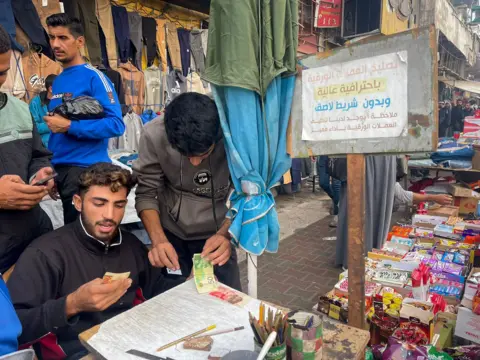
As conditions worsen, residents are being forced to face flooding and inadequate coverings. Salwa Abu Nimer expressed despair, stating, “No flour, no food, no drink, no shelter. What is this life I’m living?” In central and southern Gaza, charity queues have become commonplace, with many residents relying on limited handouts while enduring alarming shortages of food, medicine, and shelter.
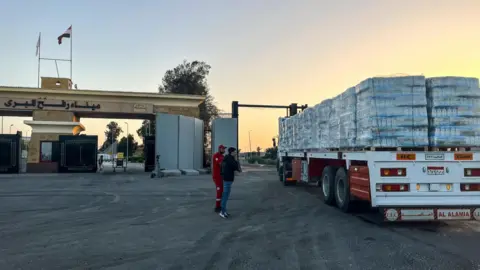
Reports from local cameramen depict long lines outside bakeries, with individuals desperate for bread. Hanan al-Shamali, a struggling caregiver, shared her fears, “I can’t push through crowds of people; I’m afraid I’ll suffocate and die.” The situation at the Kerem Shalom crossing, which serves as Gaza's primary entry point for humanitarian aid, remains critical.
Despite some aid entering the territory, the overall influx is among the lowest levels seen in recent months. Israeli officials cite issues with distribution as a significant barrier. Yet, reports indicate that armed groups are seizing incoming supplies, prompting the UN's main relief organization, Unrwa, to suspend deliveries via this route.
Antoine Renard, the UN’s World Food Programme local head, painted a grim picture of desperation, stating, “People cannot cope anymore,” as hunger levels rise and markets remain empty. Despite the worsening conditions, the conflict shows no sign of resolution, leaving Gazans bracing for further suffering through the bitter winter months ahead.