In brief
In the aftermath of severe violence, UN relief officials visit el-Geneina, revealing widespread horror and hunger as communities struggle to survive in an ongoing humanitarian crisis marked by war crimes and food scarcity.
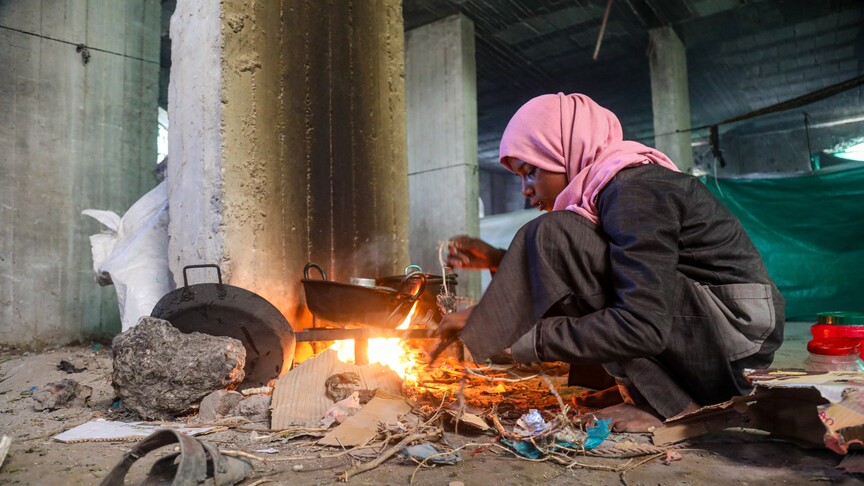
In the stark landscape of el-Geneina, the shadows of past atrocities loom large. Now a ghost town, its remaining structures, blackened and riddled with bullet marks, silently narrate a chilling tale of violence and despair. This West Darfur capital once bustling with life is now an echo of its former self, with charred roofs testifying to fires that scorched the town last year. During a significant yet distressing visit, UN Under-Secretary-General for Humanitarian Affairs and Emergency Relief Coordinator Tom Fletcher condemned the ongoing plight, stating, “Darfur has seen the worst of the worst,” amidst alarming reports of sexual violence and looming famine.Fletcher's visit marks a crucial milestone, being the first official presence from the UN in el-Geneina since the outbreak of Sudan's brutal conflict 19 months ago. This precarious journey followed arduous negotiations with the warring parties - the Sudanese Armed Forces (SAF) and the paramilitary Rapid Support Forces (RSF), who have vied for control over the territory. Human rights experts attribute the rampant violence, particularly against the non-Arab Masalit community, to ethnic cleansing campaigns that may amount to genocide, as violence has left approximately 15,000 dead and countless displaced.As the delegation traveled from Chad, laden with World Food Programme supplies, the haunting presence of armed RSF fighters patrolling the region underscored the perilous environment. Refugees, primarily women and children, shared their heartbreaking accounts in makeshift camps across the border. One 14-year-old girl recounted her harrowing escape, revealing the realities of concealed movement to evade death. Stripped of livelihoods as farming became impossible, these displaced peoples yearn for the basics: food, security, and shelter.In a modest health center at an al-Riyadh camp, survivors, predominantly women, stoically voiced their dire conditions. An elder community member highlighted their neutrality amidst conflict, amplifying their urgent call for assistance. While some humanitarian work continues led by local NGOs, they face immense constraints without UN support, workings under ever-challenging circumstances.Tariq Riebl from the Norwegian Refugee Council emphasized the urgency of the crisis and expressed concern that international focus may turn away, risking worsening famine amidst a backdrop of less severe conflicts. Currently, the global Famine Review Committee recognizes dire famine indicators in parts of Darfur, with many other locales teetering on the brink. Fletcher insists on the necessity for expanded access and humanitarian aid routes, citing a more prominent UN presence within Sudan as a pathway to foster relief. He acknowledges that resolving such entrenched conflicts requires a concerted effort beyond individual capabilities.As the world watches closely, hopes rest on Fletcher's efforts to respond to this "toughest crisis in the world," reflecting a desperate need for international attention and intervention in a region shattered by the dual threats of violence and starvation.