
In brief
UN United Nations Office for the Coordination of Humanitarian Affairs chief Tom Fletcher has warned that civilians in Taiz, Yemen, are paying a “brutal price” as roads are blocked and supplies dwindle. Fletcher urges relief parties to open roads and release detained humanitarian workers, citing increasing hunger, water shortages, and the death of UN staff in Houthi custody.
On Monday, UN relief chief Tom Fletcher issued a stark warning about the dire situation for civilians in the Yemeni city of Taiz, calling the escalating conflict in the region “paying a brutal price.” Fletcher’s statement came after reports that all roads into Taiz have been blocked and that essential supplies of water, food and medicine are depleting amid a siege by front‑line forces. He called for the immediate opening of roads to allow aid to reach the approximately 1 million residents of the city, stressing that civilians should not be “hostage” to the fighting.
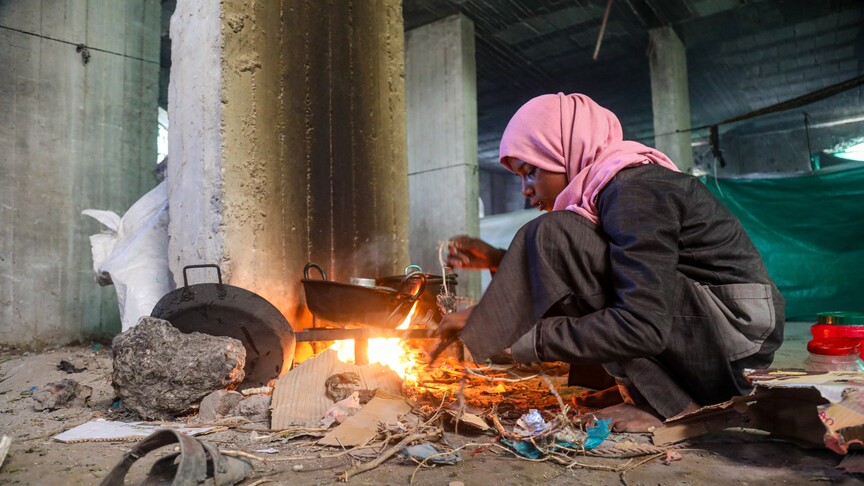
Fletcher told the U.S. social media platform X that the city’s water production has fallen to half of its usual output and that food prices have surged by at least 50 percent. Hospitals are reportedly running low on fuel and life‑saving medicines, adding urgency to the call for relief access. Over 300,000 Yemenis have been displaced since August, and humanitarian partners have reached about 260,000 displaced people in the area, but the “needs are outpacing our response,” Fletcher said.
In a separate communication, Fletcher indicated that he had spoken with Yemen’s foreign minister, Afrah Abdulaziz Al‑Zouba, about the crisis in Taiz. During the exchange, Fletcher reiterated the need for “closed roads and supplies” to be lifted to prevent further suffering.
The UN relief chief also voiced outrage over the death of Mohammad el Shami, a staff officer of the United Nations Human Rights Office in Yemen, who was reportedly in Houthi custody in June 2024. El Shami’s death marks the second UN employee to die while detained by the Houthi group. Fletcher added that 70 UN staff and dozens of other humanitarian workers remain detained, urging that they not be used as “bargaining chips.”
"Civilians cannot be held hostage by the fighting," Fletcher said in the X post. In a
statement, he added, "Our asks are clear. Open the roads and let them through."
Independent observers note that the siege of Taiz is part of a broader blockade that has cut off all routes into the city. The encirclement is attributed to Iran‑backed Houthi forces that control the surrounding area. As a result, the city’s population is facing a worsening humanitarian crisis, with food, water, medical supplies, and fuel becoming scarce over an extended period.
The conflict in Yemen, which began in 2014 when the Houthi movement seized the capital of Sanaa, has escalated into one of the world’s most severe humanitarian emergencies. Saudi‑led forces have been conducting airstrikes in support of the internationally recognized government since 2015, while the Houthis have gained strongholds in southern Yemen, including Ba‘l and Taiz.
At this juncture, the international community has called on all parties to respect humanitarian law, to keep toll roads open, and to release detained workers. The UN humanitarian corps, led by the Office for the Coordination of Humanitarian Affairs, is awaiting a response that could restore crucial supply lanes into Taiz and ease the crisis for the city’s six‑figure population. Without a rapid clearing of blocked roads and restoration of logistics, the crisis could continue to intensify, leading to further civilian casualties and widespread poverty.


