In brief
The Philippines braces for severe weather, with President Marcos issuing high alerts and evacuation orders as Typhoon Yinxing makes landfall.
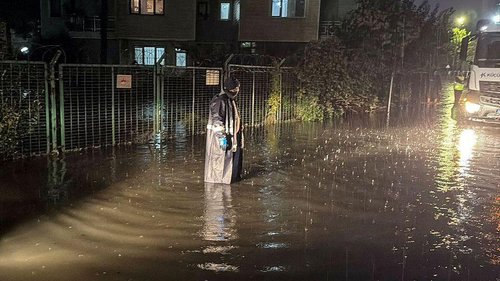
Typhoon Yinxing made a powerful entrance into the Philippines on Thursday afternoon, striking the island of Luzon with ferocious winds and torrential rains. With maximum sustained winds measuring around 144 miles per hour, the storm registered as a Category 4 hurricane according to a report from the U.S. Navy’s Joint Typhoon Warning Center. The typhoon officially made landfall near Santa Ana, at approximately 2 p.m., and rapidly began moving west northwest, fuelling concerns over potential devastation.As a precaution, authorities proactively evacuated more than 160,000 residents by Thursday morning, the Office of Civil Defense reported. Many schools and workplaces were subsequently closed in anticipation of the storm's impact. Warnings of hazardous storm surges, reaching heights of approximately 10 feet, have been issued, leading to a state of heightened alert across the region.President Ferdinand R. Marcos Jr. declared a “high alert” for the nation on Wednesday, emphasizing the need for readiness in response teams from public works and transportation sectors for immediate road-clearing services following the storm. Officials have also released warnings about possible flash floods and landslides, advising affected communities to either evacuate or seek shelter in safer locations.The Philippines is no stranger to severe weather, averaging around 20 typhoons each year. This latest storm follows the recent devastation caused by Typhoon Krathon in September, which severely affected northern regions and resulted in flash flooding, while Tropical Storm Trami claimed 80 lives and set off mass evacuations for over half a million people last month. As the country faces yet another dangerous storm, the hope is for minimal damage and a swift recovery for impacted areas.