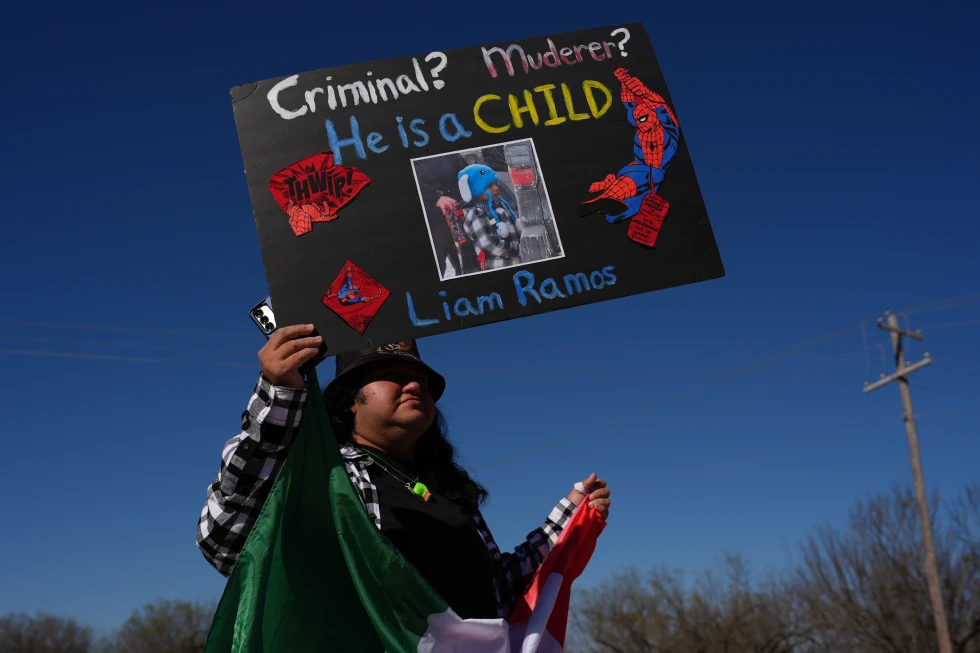
Queensland's government has enacted new legislation that subjects children as young as 10 to the same penalties as adults for serious crimes, including murder, assault, and burglary. The decision comes after rising community concerns over youth crime, with authorities claiming the tougher sentencing will serve as a deterrent. Yet, research presented by multiple experts indicates that increased penalties may do little to curb youth crime rates and could, in fact, worsen the situation.
The United Nations has voiced strong opposition to these reforms, stating that they contravene international conventions on children's rights. The Liberal National Party (LNP), which secured the state elections in October, positioned these legislative changes as a critical component of its campaign, emphasizing a focus on victim rights over those of the young offenders.
Premier David Crisafulli defended the legislation in parliament, stating, “These laws are for every Queenslander who has ever felt unsafe,” after the proposal was passed. In anticipation of the vote, political leaders across the spectrum suggested that Queensland was experiencing a significant youth crime crisis, necessitating a firmer legal response.
Despite this narrative, statistics from the Australian Bureau of Statistics indicate that youth crime has halved over the past 14 years and reached its lowest rate in history in 2022. Various law enforcement data supports this claim, highlighting a persistent downward trend in youth offenses.
Under the new law, dubbed "adult crime, adult time," there are 13 offenses eligible for harsher penalties, including life imprisonment for murder with a non-parole period of 20 years. Previously, the maximum sentence for a young offender convicted of murder was a decade in prison.
The reforms also eliminate provisions that favor non-custodial sentences for children, making it possible for judges to assess a child’s entire criminal record when determining penalties. The Queensland Police Union responded positively, calling the laws "a leap forward in the right direction," while Attorney-General Deb Frecklington indicated that the changes are aimed at enhancing judicial accountability.
Nevertheless, Frecklington acknowledged potential conflicts with international standards and warned about the disproportionate effect on Indigenous youth. Additionally, she expressed concerns that increased detention rates will lead to more children being housed in police cells due to insufficient space in youth detention centers.
Queensland currently leads Australia in youth detention rates. In response to short-term pressures, Crisafulli mentioned ongoing plans to develop additional detention centers and alternative options.
Anne Hollonds, Australia's commissioner for children, condemned the legislative changes as an "international embarrassment." She emphasized the damaging outcomes of involving young children with the justice system, which often leads to a cycle of repeat offenses. Other legal experts have also cautioned that these laws could inadvertently harm victims, as longer sentences may deter youths from accepting plea deals, resulting in more trials and extended court delays.