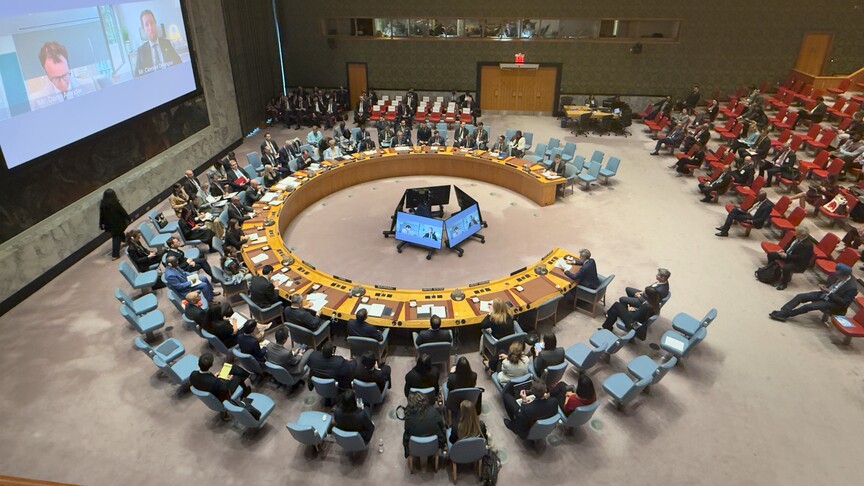
On Thursday, a back‑room poll held by the United Nations Security Council in New York City saw former Costa Rican Vice‑President Rebeca Grynspan widen her lead in the race to become the 10th secretary‑general, reporters say.
Back‑room poll results
The informal vote, conducted by the 15‑member council, gave Grynspan 12 votes in favour and three against. According to United Nations Security Council sources close to the process, the poll marks her strongest showing in the eight closed‑door ballots held since Antonio Guterres is set to finish his second five‑year term this year. The result demonstrates a clear preference among the council members for Grynspan over other contenders.
Implications for the UN leadership
Grynspan’s performance places her at the centre of the debate as nations prepare for the formal selection by the General Assembly. Her record as Costa Rica’s vice‑president and her diplomatic experience suggest she could bring a fresh focus on climate action and sustainable development to the agency’s agenda. Sources close to the process noted that her growing support may influence how other countries position their own nominees.
While the informal poll is not a binding decision, it is a key indicator of the council’s leanings. The next formal vote will likely involve a broader set of member states and could bring new negotiations to the fore. Analysts anticipate that the endorsement of a majority of the 15 Council members could give Grynspan a significant advantage in the General Assembly’s selection process.
Rebeca Grynspan, who served as Costa Rica’s vice‑president from 2018 to 2023, has built a reputation as a pro‑environment advocate and a seasoned negotiator in multilateral forums. She has argued that the United Nations must become less risk‑averse and more proactive in addressing global challenges. Grynspan’s experience suggests she could address the agency’s longstanding concerns over climate change, gender equality, and resource mobilisation.
The poll’s outcome also reflects the broader context of UN leadership transition. Antonio Guterres has overseen significant reforms and initiatives during his tenure, but the council’s preference for a new, younger leader signals a desire for fresh perspectives. The focus on Grynspan could shift expectations for programme priorities and organisational culture within the UN system.
At this stage, no official announcement has been made regarding the selection of the next secretary‑general, and the council will continue to hold behind‑closed‑doors discussions. Nevertheless, the results indicate that Grynspan is the most likely candidate to secure the position when the General Assembly convenes to cast its formal vote later in 2027.