In brief
Brazilian families and skilled workers are pursuing move‑to‑abroad plans after President Luiz Inácio Lula da Silva’s fourth term announcement, driving U.S. immigration firms to record demand and spiking Google queries for South American and global destinations. The surge reflects regional shifts in residency preferences amid Lula’s renewed mandate, as noted by legal experts and international leaders.
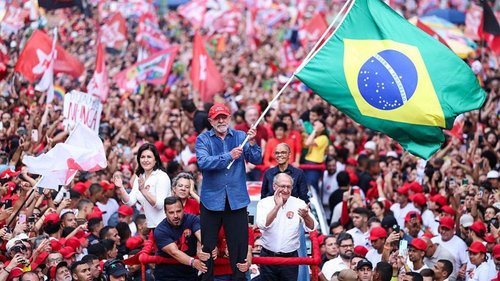
After President Luiz Inácio Lula da Silva was re‑elected to a historic fourth term on Sunday, immigration lawyers in the United States saw an unprecedented surge in relocation inquiries from Brazil. UPI reported that two Florida‑based firms received more than 1,300 inquiries on Monday, a single day that exceeded their typical monthly totals by several fold.
The Miami‑based Piquet Law Firm received 700 requests that day, a jump from its usual 500‑600 per month, said founder Alexandre Piquet to the Brazilian newspaper Folha de S.Paulo. Likewise, Orlando’s Bicalho Legal Consulting reported 643 inquiries against a daily average of 20, according to founder Vinícius Bicalho.
Both attorneys noted that the extraordinary rise began immediately after the election, although similar spikes usually follow Brazilian elections. D4U Immigration, a third firm referenced by the Brazilian outlet Metrópoles, recorded a 2,154 % increase over its normal daily volume and kept extra staff on duty to handle requests for U.S. permanent residency.
In addition to domestic calls, Brazilian interest extended to neighboring South American countries. An analysis of Google Trends data published Tuesday by the Brazilian website CityTudo found that searches for moving to Paraguay spiked 7,600 % on Oct. 26 and 27 compared with the average from Oct. 20‑24. Queries about Uruguay rose 3,200 % and Chile 1,700 %. Similar growth was noted for Portugal, Canada and the United States, with a 1,700 % rise in searches for the phrase como morar no Paraguai, according to the financial newspaper Valor Econômico.
Forces driving the exodus may include both economic and political calculations. Oscar Mersan De Gásperi, director of consulting firm M360 Paraguay, penned an opinion article for Forbes Paraguay predicting that Lula’s re‑election could trigger the largest wave of Brazilian immigration in Paraguay’s history, potentially extending to other port‑state nations.
International observers have also weighed in. In a social‑media post, Indonesian President Prabowo Subianto congratulated Lula, calling him a “good friend and comrade” and expressing hope that the two presidents would deepen a strategic partnership.
“Congratulations to my good friend and comrade, President Luiz Inácio Lula da Silva, on his historic fourth victory in the presidential election of the Federative Republic of Brazil,”
Prabowo added, “I hope he is blessed with strength and good health to guide the continued progress of the Brazilian people.” The post highlighted both leaders’ intentions to address the great challenges of their time and strengthen bilateral ties.
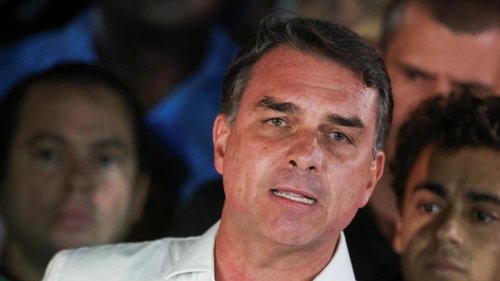
Lula’s mandate was confirmed by Brazil’s Superior Electoral Court (TSE), which declared him the winner of the runoff with 51.76 % of the valid votes, a margin of more than four million over Flávio Bolsonaro. The result, reported by Sputnik, marked the first time a candidate who placed second in the first round won the runoff under Brazil’s two‑round system.”
The cascading effect of Lula’s victory on global migration patterns is unfolding in real time. U.S. immigration consultants are adjusting their schedules, while Brazilian families are preparing for a possible move that could reshape housing and public services in both source and destination countries. For the immediate next week, the trend remains under close scrutiny as more data emerges from both legal practitioners and online search platforms.