In brief
Brazil’s left‑wing president Luiz Inácio Lula won the October 24 runoff, a result that shocked former US president Donald Trump, who had seen the race as a chance to secure a Brazil‑aligned ‘Shield of Americas’. Lula’s defiant victory speech – “Brazil will not accept being anyone’s backyard” – unified domestic support and forced the US to ease punitive tariffs. The new leadership threatens Trump’s Donroe Doctrine, as Brazil now rejects US‑led military actions, disputes election‑security claims, and pushes a domestic payment system that sidesteps Visa and Mastercard. The next four years will test whether the two leaders can keep diplomatic warmth in a landscape where sovereignty tem‑pests and economic interests collide.
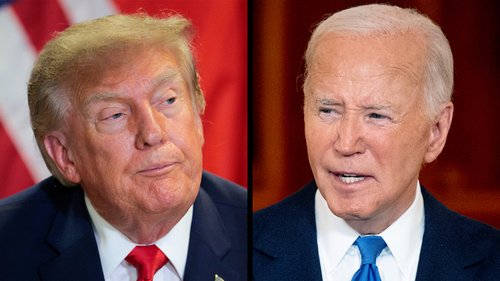
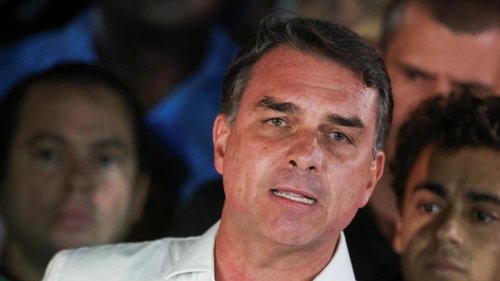
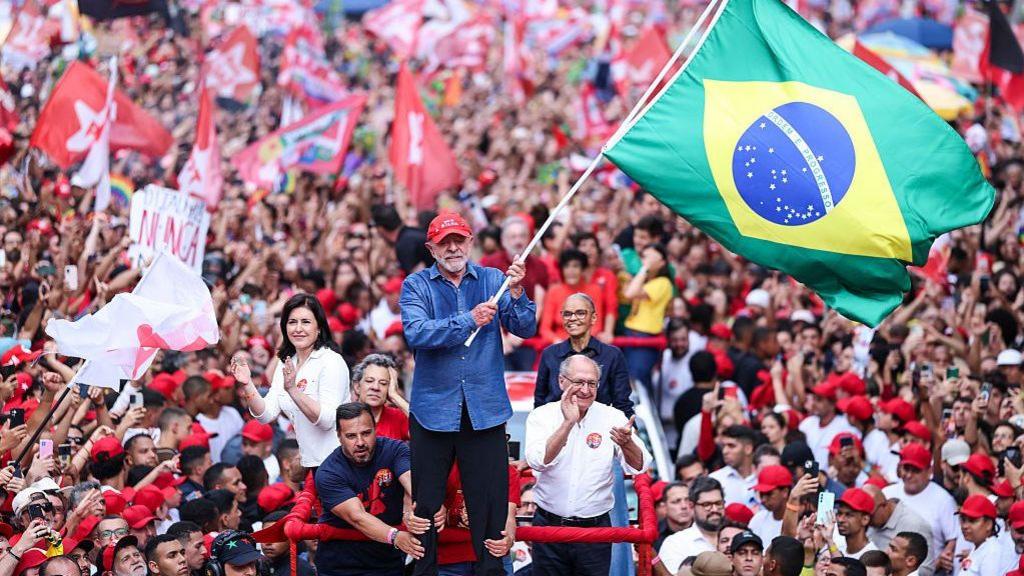
Brazil’s left‑wing president Luiz Inácio Lula da Silva took an unexpected victory in the October 24 runoff, startling former US president Donald Trump, who had counted on Brazil’s earlier runner‑up, Flávio Bolsonaro, to cement a US‑friendly bloc across the hemisphere.
In a fiery post‑election speech, Lula declared that “Brazil will not accept being anyone’s backyard,” a line that resonated with patriotic voters and sharpened the rivalry between Washington and Brasilia.
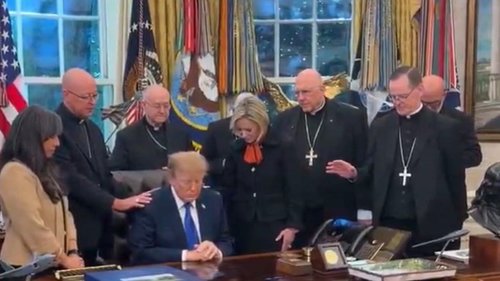
Although the United States had imposed tariffs on Brazilian soy and iron ore exports to pressure the Bolsonaro family, Lula countered with slogans of sovereignty and wore a blue cap reading “Brazil belongs to Brazilians.” The backlash saw tariffs lowered, and the two leaders later met at the United Nations and the Oval Office, where Trump called the talks “very good.”
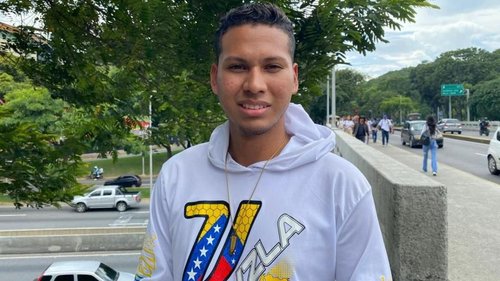
Yet the win threatens Trump’s “Donroe Doctrine” strategy, which sought a “Shield of Americas” coalition to dominate the Western Hemisphere. With Brazil now under a left‑leaning government, Washington faces growing friction over issues such as election‑security claims, a clash over Brazil’s Pix payment system, and military interventions in Venezuela.
As Brazil plays a pivotal role in global rare‑earth mineral supply, the trend toward a tougher, non‑interventionist stance could reshape US‑Brazil relations for the next four years and beyond.