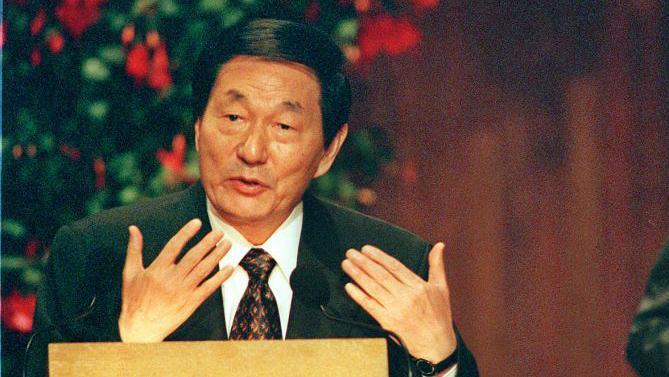
Former Chinese Premier Zhu Rongji, who steered China into global trade and the World Trade Organization, has died at the age of 97.
Serving as China’s second highest official from 1998 to 2003, Zhu was a driving force behind opening Chinese factories to international markets, attracting foreign investment, and transforming China into a manufacturing powerhouse.
He moved local tax powers to the central government, privatized or shut down failing state firms, and promoted home ownership—all elements of the sweeping economic reforms that froze dual‑digit growth while also creating a stark wealth gap.
Zhu was known as a pragmatic leader who did not shy away from tough decisions. In 1998 he warned that China faced “potential crises that could erupt at any time” and criticized corruption, local officials acting like tyrants, and bridging the gulf between rich and poor.
He entered the World Trade Organization in 2002 after navigating complex negotiations, marking a turning point in China’s integration into the global economy.
His obituary in Chinese state media described him as an "outstanding member of the Communist Party" and a "loyal Communist fighter"—an outstanding leader of the Party and the state.
Zhu’s legacy is a mixed one: vast economic growth and global influence tempered by social inequality and a painful transition for millions of workers.
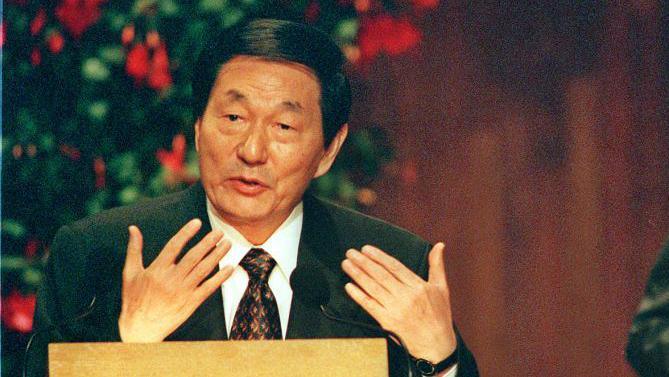
Zhu Rongji delivered a speech at MIT in 1999.
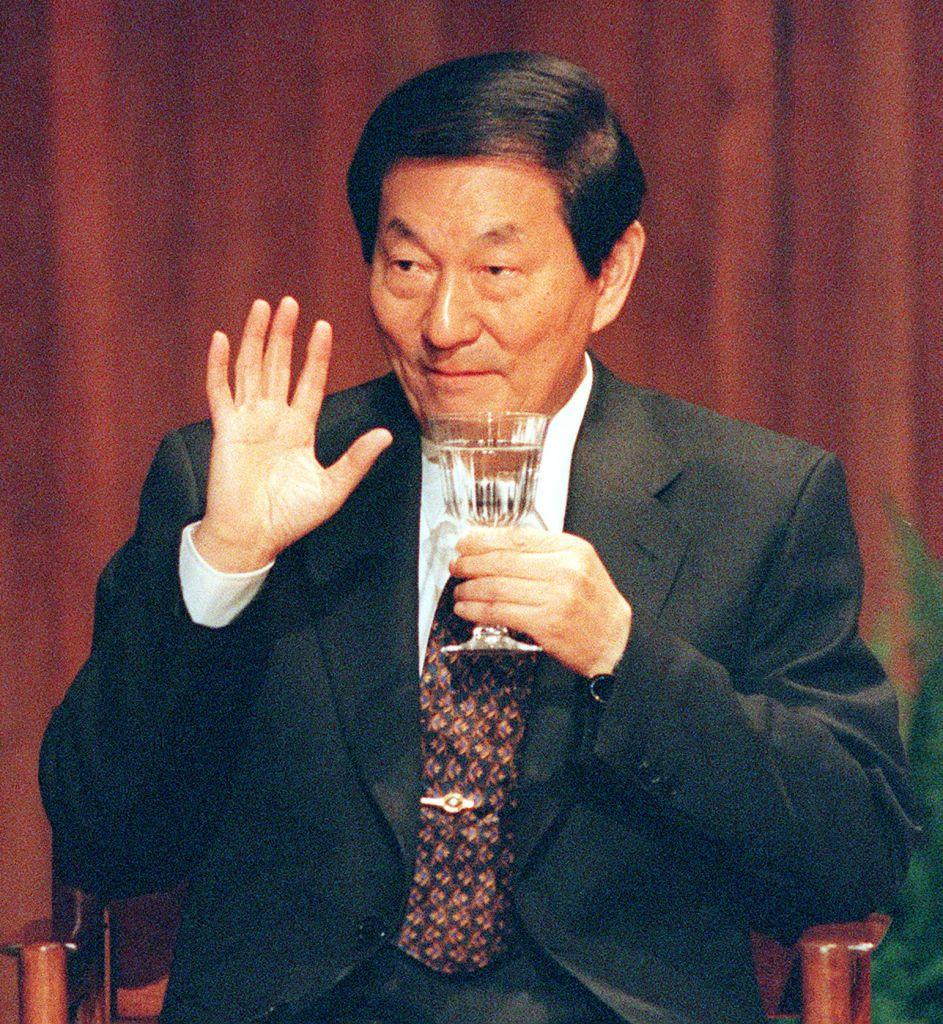
Zhu Rongji was a keen opponent of official corruption.