In brief
Mykhailo Fedorov, the former Ukrainian defence minister, has been dismissed last month and now blames President Volodymyr Zelensky for possible corruption in his inner circle. He opens a debate about delaying democratic elections while his anti‑corruption investigation into lawmakers surfaces. While he stresses his commitment to drone innovation, he also criticises supply delays from allies, calling for direct funding. The protest movement in Kyiv highlighted the public’s unrest over the minister’s removal and the war’s toll. Fedorov’s statements raise new questions about Ukraine’s leadership and its future for democratic governance.
The recent dismissal of Mykhailo Fedorov, Ukraine’s former Defence Minister, has stoked fresh controversy as he publicly questions President Volodymyr Zelensky’s handling of corruption within his government.
Fedorov—a key architect behind Ukraine’s drone warfare program—claims that a newly announced money‑laundering probe into lawmakers has raised doubts about the president’s awareness of corruption involving senior officials. He insists the investigations shouldn’t be ignored, demanding the president answer the public’s queries.
While denying any immediate political aspirations, Fedorov repeatedly urged for a prompt democratic election and called for direct funding and a move away from outdated weapons systems. He criticised bureaucratic delays from allies such as the United Kingdom, citing red tape that hampers supply of promised equipment.
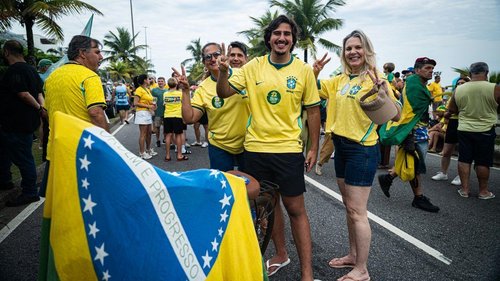
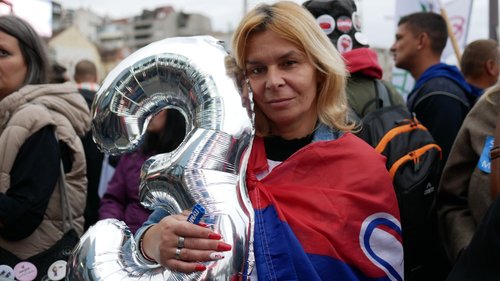
The decision to replace Fedorov followed a conflict with the head of Ukraine’s Armed Forces, after months of political pressure. Supporters rallied in Kyiv’s streets, demanding the defence minister’s reinstatement—demonstrations that paused only after his replacement was confirmed.
Amid the ongoing Russian invasion, Ukraine remains under martial law, suspending ordinary elections. Fedorov’s call for a “moral right” to reopen the electoral debate underscores the tension between security needs and democratic principles.
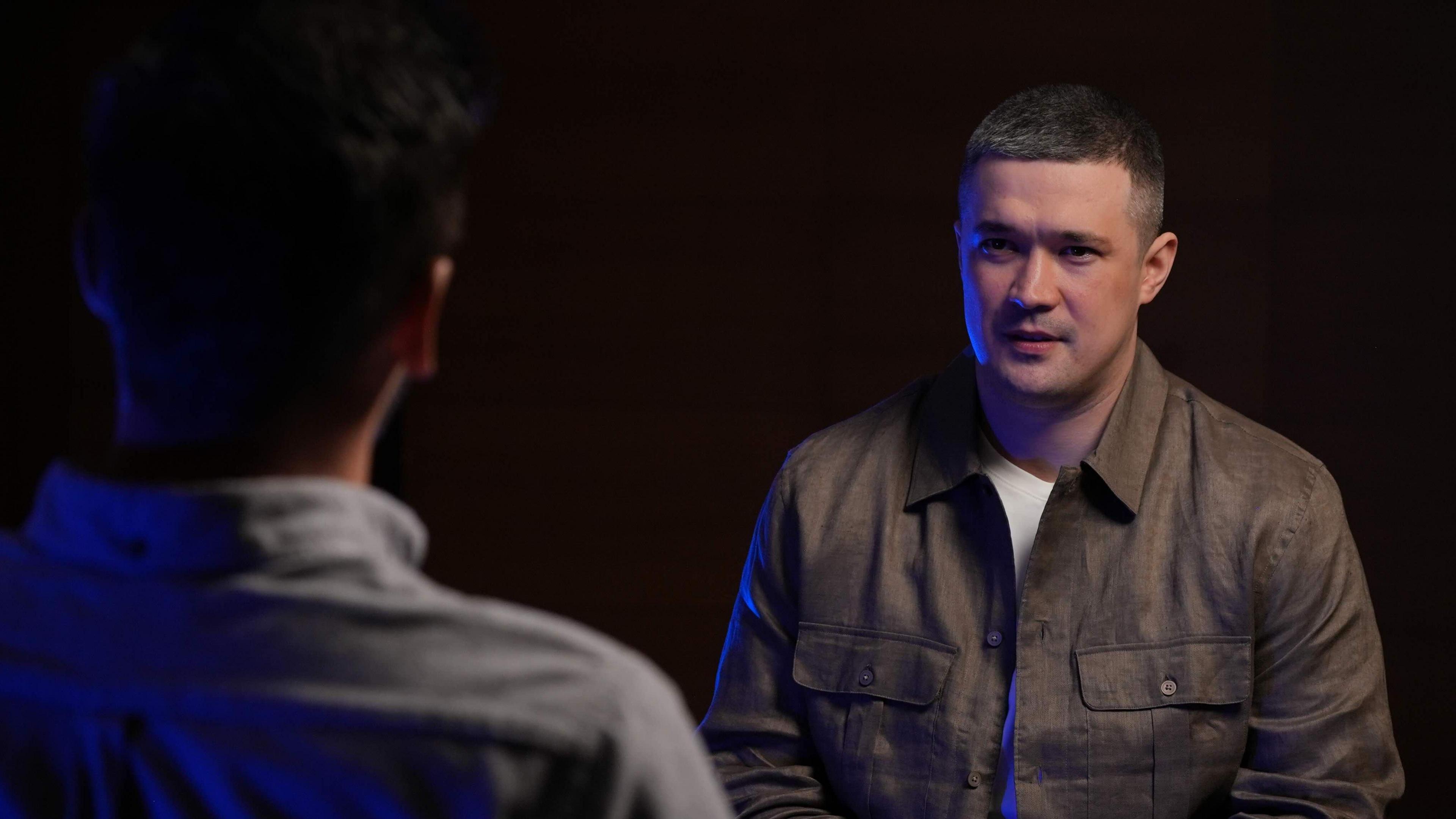
A photo of Fedorov, shown at a NATO meeting, illustrates his dismissal and subsequent media presence:
The controversy remains a critical moment for Russia’s ongoing war strategy, Ukrainian domestic policy, and global perceptions of the government’s integrity.