In brief
Recent investigations highlight the Chinese government's labor programs which, while aimed at poverty alleviation in Xinjiang, have raised concerns over human rights abuses. Thousands of Uyghurs are reported to be sent to work in various industries across the nation, amid allegations of coercive practices and systematic identity erasure. Rights advocates stress the oppressive nature of these programs, challenging the narrative of voluntariness promoted by the authorities.
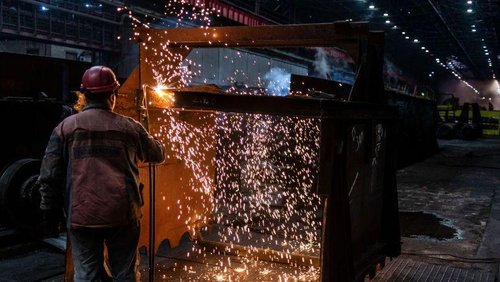
---Uyghur workers gather in groups at train stations, donned in matching hats or uniforms, awaiting government-ordered transportation to various factories across China. These dynamics formed the crux of a fresh investigation conducted by notable journalistic entities including The New York Times, revealing a troubling side of China's labor initiatives intended to combat poverty within the region.The probe reveals Uyghurs have been dispatched to over 70 factories across diverse sectors such as textiles, food processing, and electronics, producing goods for numerous prominent global brands. International regulators are left scrambling to navigate the muddy waters of labor rights regarding these supply chains. Estimates suggest that tens of thousands of Uyghurs have been enlisted under these government programs, which critics argue employ coercion rather than voluntary participation.Human rights advocates, including Rahima Mahmut—an exiled Uyghur activist and the director of Stop Uyghur Genocide—have pointed out the severe implications of these policies, stating, “For these Uyghurs being forced and dragged out of their homes to go to work, it’s hell.” Despite the purported intentions of economic upliftment and job creation, these labor programs are increasingly seen as an extension of the Chinese government's campaign to suppress Uyghur identity and autonomy in the Xinjiang region.