In brief
Metinvest chief Yuri Ryzhenkov criticises EU steel tariff limits that lump Ukraine with other importers, arguing the measure ignores the war’s impact. He calls for a carve‑out so Ukraine can continue to export to the EU, noting the industry could lose 50‑60% of its market. The EU defends the limits as a protection for member‑state producers, citing a 47% cut in tariff‑free steel imports. Ukraine’s steel sector is already battered by Russian bombardment, with production halted and dozens of workers killed. Ryzhenkov warns that the coming winter may be the hardest period, stressing that reduced EU access will threaten the industry’s survival.
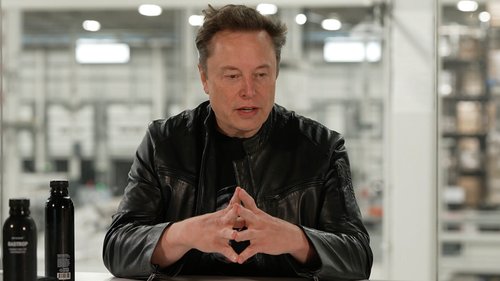
Metinvest chief executive Yuri Ryzhenkov says the European Union’s new steel tariff limits are unfair, arguing that Ukraine was “bundled” into the measures that aim to curb cheap imports from China and Turkey.
Ryzhenkov requested at least a carve‑out within the quota so Ukraine could continue to export to the EU, citing a potential 50‑60% fall in market share if the limits stand.
The EU explained that its quota policy was designed to protect member‑state steel producers, capping tariff‑free imports at 18.3 million tonnes per year – a 47% reduction from 2024 levels – while allowing country‑specific permits for importers such as Ukraine.
A spokesperson for the European Commission said it considered Ukraine’s war situation when imposing the policy and had delivered compensations to key suppliers, including Ukrainian firms, to mitigate the impacts of the restrictions.
Ryzhenkov highlighted that steel accounts for roughly 10% of Ukraine’s national income and a third of its exports, with the EU as the dominant customer. He warned that Russia’s full‑scale invasion has halted metal production at Ukrainian mills, with no steel produced in September and at least 800 Metinvest employees killed since the war began.
The company has upgraded protective shelters at its sites, but the CEO stressed that the only viable strategy is to design procedures that keep staff safe during air raids, though full coverage of a steel mill is impossible.
Ryzhenkov also cautioned that the coming winter could be the hardiest in Ukrainian industrial history and that limited EU access would threaten the resilience of the steel sector, which already suffers from damaged infrastructure and logistical constraints.