In brief
Leaders on the University of Wisconsin board unanimously fired President Jay Rothman, who claimed he was blindsided by the decision. Board members state that Rothman did not adequately address crucial challenges, such as artificial intelligence, and lacked alignment with leadership expectations. They emphasized that the decision was not political or retaliatory, reinforcing that substantial reasons justified his dismissal.
MADISON, Wis. (AP) — The University of Wisconsin board has pushed back against former system president Jay Rothman’s assertion that he was blindsided by his dismissal, asserting instead that he failed to tackle critical issues, including the rise of artificial intelligence, and consciously aimed to avoid conflict with political and academic stakeholders.
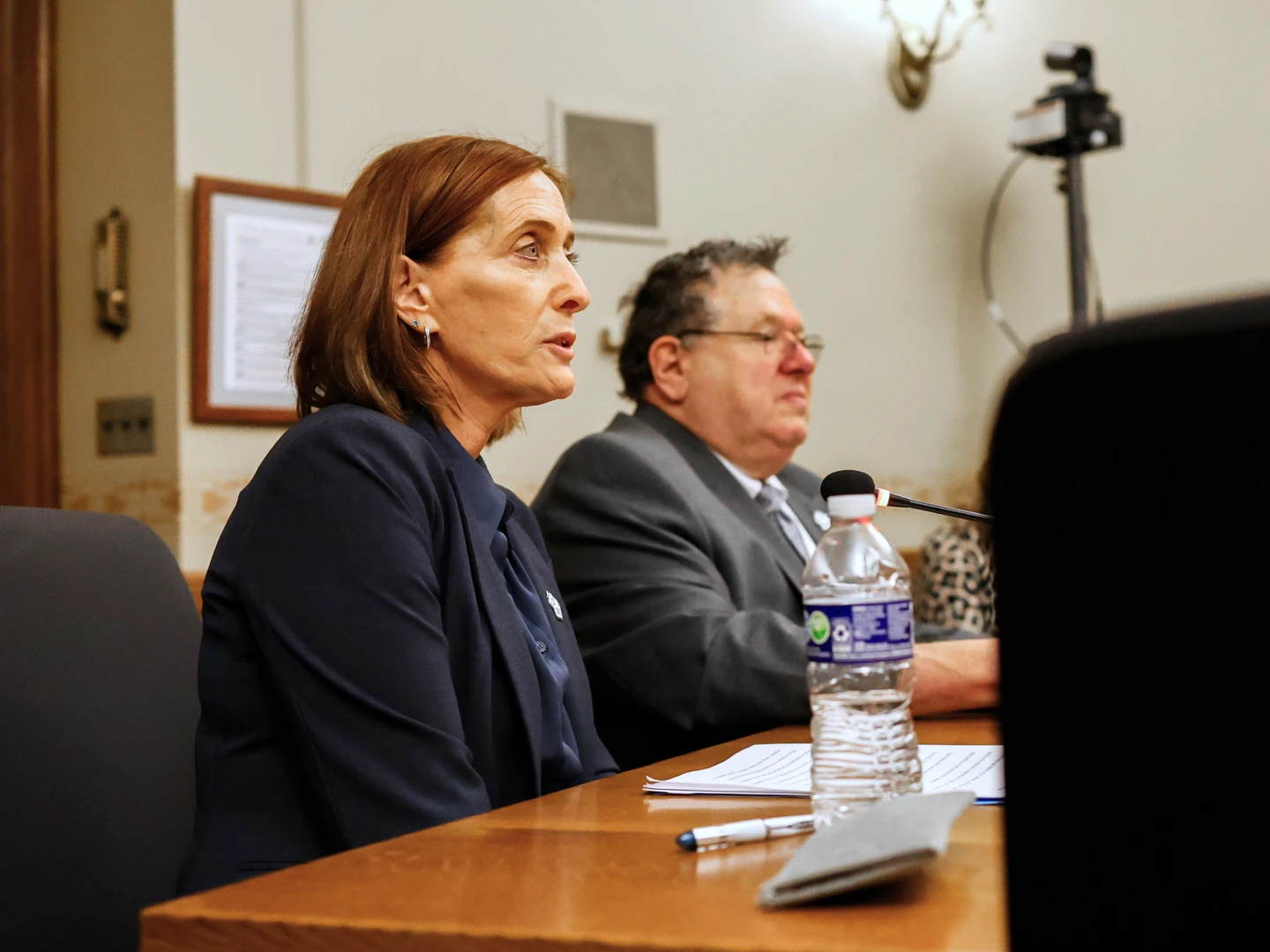
During a state Senate committee hearing Thursday, regents elaborated on their decision to sacked Rothman without public discussion, noting it was unanimous and thoroughly considered, rooted in substantial grievances regarding his leadership.
Rothman described himself as taken aback by the decision, claiming he was uninformed about the reasons for his dismissal. In contrast, regents like Amy Bogost affirmed the decision was made for sound reasons, emphasizing it was not a political maneuver.
Regent Timothy Nixon detailed Rothman's lack of urgency in addressing critical administrative challenges, stating he often took credit for collective successes while limiting board discussions with the public.
Nixon expressed concern that Rothman sidestepped confronting crucial issues like the need to justify the number of employees within the university system, calling for accountability and clarity. He articulated that Rothman’s reluctance to engage with key stakeholders hindered the effectiveness of the university system.
In light of Rothman’s claim of being blindsided, the regents highlighted that he could opt to waive his confidentiality rights about personnel decisions, suggesting that doing so would allow for a more transparent discussion around his dismissal.
Regent leaders asserted it was vital for the integrity of the University of Wisconsin system to confront issues head-on and not allow narratives that could undermine the universities' reputation to go unchallenged.
Ultimately, the regents portrayed the decision to part ways with Rothman as part of a necessary transition in leadership, akin to changing quarterbacks in a sports context—signifying a move towards innovative and effective governance.