In brief
This article highlights the experiences of indigenous communities who were displaced to make way for Nigeria's capital, Abuja. The testimonies reveal the deep emotional scars and unresolved claims for compensation, as local residents feel ignored and voiceless in the face of rapid urbanization. As the city grows, the plight of these communities raises urgent questions about representation and the right to land.
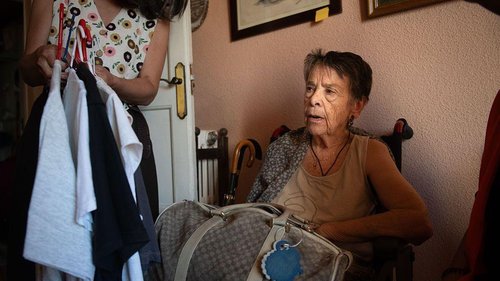
Now in her 80s, Lami Ezekiel remembers construction crews arriving in her ancestral home in Maitama, as it was destroyed to build Nigeria's capital, Abuja. We just saw big trucks and construction vehicles destroying our farms, she recalls, highlighting the devastating impact of the city’s development on local lives.
The late 1980s marked a significant transition for the area, as many residents, including Ezekiel, still await the compensation promised during their displacement. The Federal Capital Territory (FCT) was created under military governance in 1976, with plans made a decade prior, affecting the local population who had inhabited the land for thousands of years.
Isaac David, born in the FCT in 1982, reminisces about the fertile streams and farmlands of his childhood, now replaced by luxury hotels and government buildings. The Aso Rock presidential villa now sits atop what was once a sacred community shrine.
Indigenous groups, including the Gbagyi, are still grappling with the lost heritage and their forced relocation, which was often poorly managed, leaving scars at both communal and individual levels. Activists and local leaders decry the exclusion from political representation, echoing the call: We want a voice in our land!
David highlights the systemic issues arising from the lack of an elected governor in the FCT, which restricts indigenous like him from running for political office and disseminating meaningful change within their communities. Many express frustrations with current compensation practices, advocating for dialogue and genuine representation to address the socio-economic disparities faced by the displaced.
In a society rapidly modernizing, the stories of those marginalized due to developmental policies remind us of the importance of inclusive governance, ensuring that the voices of the people who sacrificed their homes for progress are not only heard but valued.