Full context of the controversy
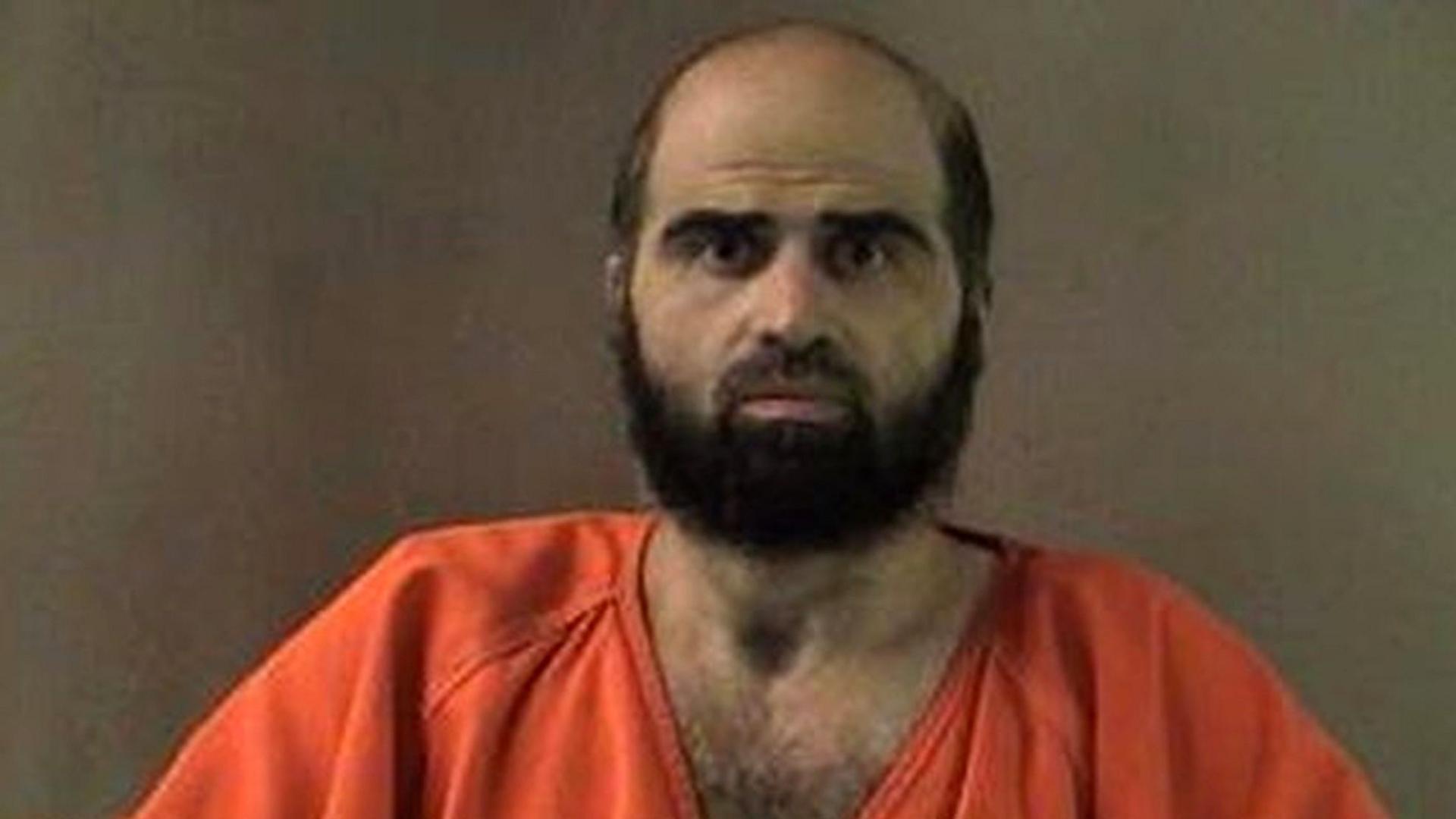
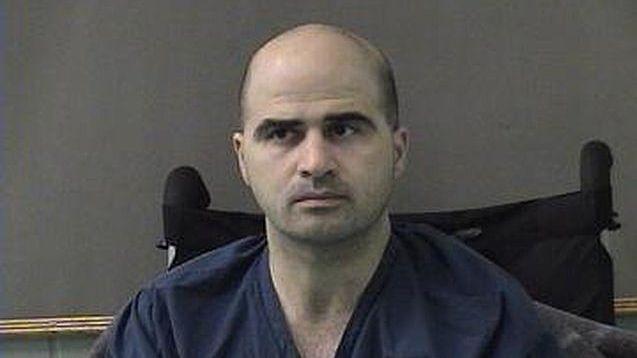
Nidal Hasan, the former Army psychiatrist who killed thirteen soldiers and injured dozens at Fort Hood in 2009, is scheduled for a military execution by firing squad on 3 December. The Pentagon, in an unprecedented move, announced that the execution would be livestreamed for the public. This plan has been met with strong opposition from various quarters.
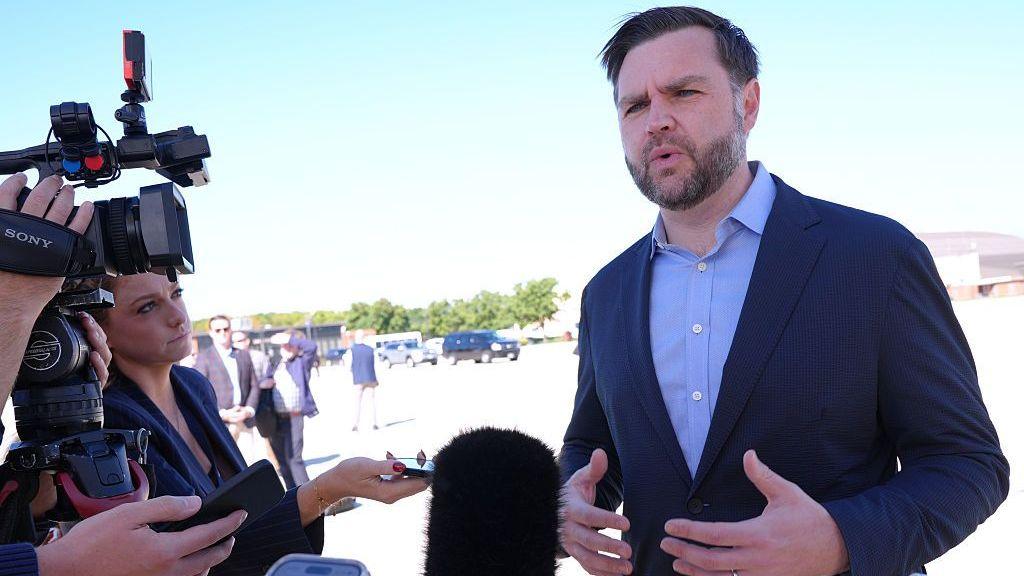
Vice‑President JD Vance addressed reporters on a tarmac, casting doubt over the livestream’s feasibility and stating he would not watch the event, declaring, “I don’t know that that’s actually going to happen. If it is through live stream, I’m not going to be watching it.” His remarks reflect uncertainty over the Pentagon’s final decision.
President Trump, however, affirmed the livestream, saying he had fully approved the plan and emphasized that the death penalty was appropriate for Hasan’s crimes. Trump’s comment was delivered as he exited the White House, reinforcing his stance on the execution’s necessity and manner.
Senators from both parties weighed in, accusing the livestream of creating a spectacle that could serve as propaganda for extremist groups. Republican Senator John Curtis warned that public executions could erode society, while Senator Chris Murphy branded the idea “disgusting” and reminiscent of ISIS tactics. The American Bar Association’s former national security adviser John Bolton also criticized the livestream, citing that interested parties could view the execution in person or through official reporting channels.
Multiple social‑media giants released statements highlighting their policies against violent, graphic, or death‑related livestreams. Meta, YouTube, TikTok and X all prevent the broadcasting of executions or extremely violent content, arguing that such content would be disallowed regardless of government sanction. The Pentagon, however, claims the livestream is a unique public‑interest case, stating that it remains under decision.
In the broader legal context, the US Constitution requires the President’s approval for military executions and mandates appellate review. The possibility of an online livestream raises questions about privacy, the right to a dignified death, and potential international implications for the perception of the US justice system.
As the decision draws closer, public opinion remains divided. Many citizens and rights advocates urge a dignified approach that preserves the sanctity of the death penalty while avoiding a broadcast that could inspire extremist copycats or trivialise a tragic event.