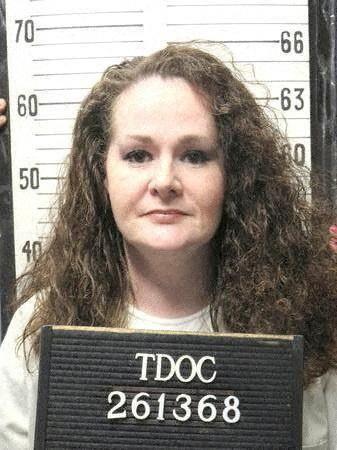
Christa Pike’s recovery after a botched execution has stunned jurists and the public alike. The 50‑year‑old death‑row inmate, convicted of murdering schoolmate Colleen Slemmer in 1995, received two injections of pentobarbital on September 30 and was rushed to a Tennessee hospital in critical condition.
Pike’s lawyers described her turnaround as “profound” and “remarkable”, noting she can now walk with assistance and eat normally. Although her arms—previously severely damaged during the execution attempt—have severely limited movement, doctors are encouraged by her physical recovery.
The case is unprecedented; Pike is the only person believed to have survived a lethal‑injection execution. Compounding the complexity, Tennessee Governor Bill Lee has halted all executions for the remainder of the year while the state reviews its protocols.
A federal judge ordered that all evidence from the execution room—IV lines, syringes, waste, and documentation on Pike’s psychological state—be preserved for potential future litigation. Pike’s legal team calls for a downgrade to life without parole, while proponents of capital punishment urge consideration of alternative execution methods.
Her case now occupies a liminal space in the legal landscape, prompting a reassessment of Tennessee’s execution protocols and the broader morality of the American death penalty. The outcome will likely influence both state legislation and international discourse on capital punishment.