Vance says Israeli PM Netanyahu "has got some things wrong"
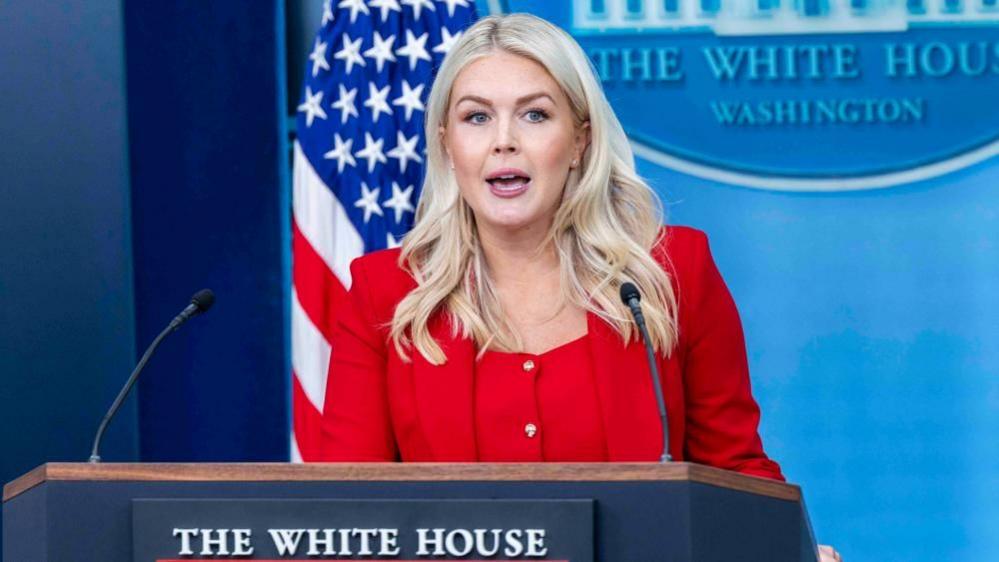
Vice‑President John D. "JD" Vance has publicly criticized Israeli Prime Minister Benjamin Netanyahu, claiming the leader has "certainly gotten some things wrong." This unprecedented public admonishment signals a brief but significant strain in the long‑standing U.S.‑Israeli partnership.
Vance did not detail specific missteps, but noted that while the two allies often align, Israel’s aggressive advocacy of its national interests can clash with those of the United States. "Sometimes we’re on the same page, sometimes we’re not," Vance told CBS News, underscoring the urgency for U.S. policy to prioritize the American public when divergences arise.
The comments follow earlier friction, most notably former President Donald Trump’s remarks during a heated phone call with Netanyahu. In that conversation, Trump reportedly described the Israeli leader as "effing crazy" due to persistent tensions over Lebanon and the larger Iran conflict. Trump’s frustration is rooted in Israel’s continued operations against the Iranian‑backed Hezbollah in southern Lebanon, which has reignited cross‑border hostilities.
The widening rift coincides with a rapid escalation in U.S.‑Iran exchanges: both sides launched missile strikes for a second consecutive day, threatening the cease‑fire brokered in April and the former U.S. Open Door policy. Ironically, the United States has been seeking to open strategic corridors, such as the Strait of Hormuz, to curb Iranian influence amid a global energy crisis.
Strategic implications are pronounced. The U.S. public’s perception of the Iran war has turned increasingly negative, with poll data indicating a shift in favour of disengagement and a less enthusiastic view of Israel. As the U.S. approaches the November midterm elections, policymakers must balance domestic pressure with foreign policy commitments.
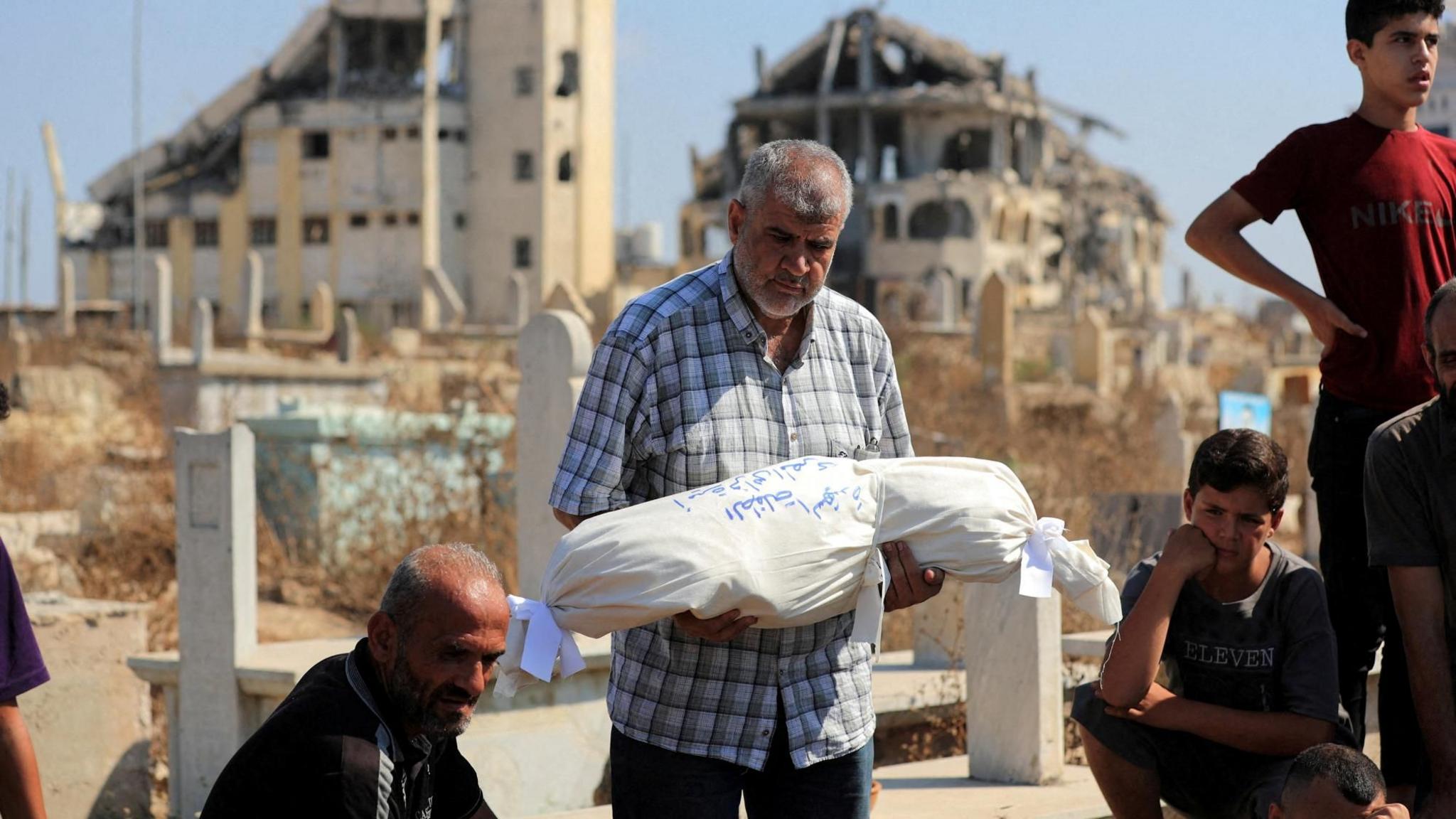
Israel’s current operational focus on Hezbollah, combined with the Kremlin‑led Iranian nuclear ambitions, has placed the cease‑fire on a precarious footing. At least 3,696 people have died in the conflict since its onset, with both sides reporting casualties on the frontline and in civilian zones.
Politically, Netanyahu faces an election later this year where he must convince voters of his war leadership and ability to manage the broader geopolitical fallout. He has attempted to downplay the emerging rift, stating, "We always find a way to work them out, and we do so as great friends," according to CNBC.
With the U.S. and Israel now navigating a delicate balancing act, analysts are watching to see how the rift will shape future policy decisions, coalition dynamics and the trajectory of the Middle Eastern conflict for the coming months.