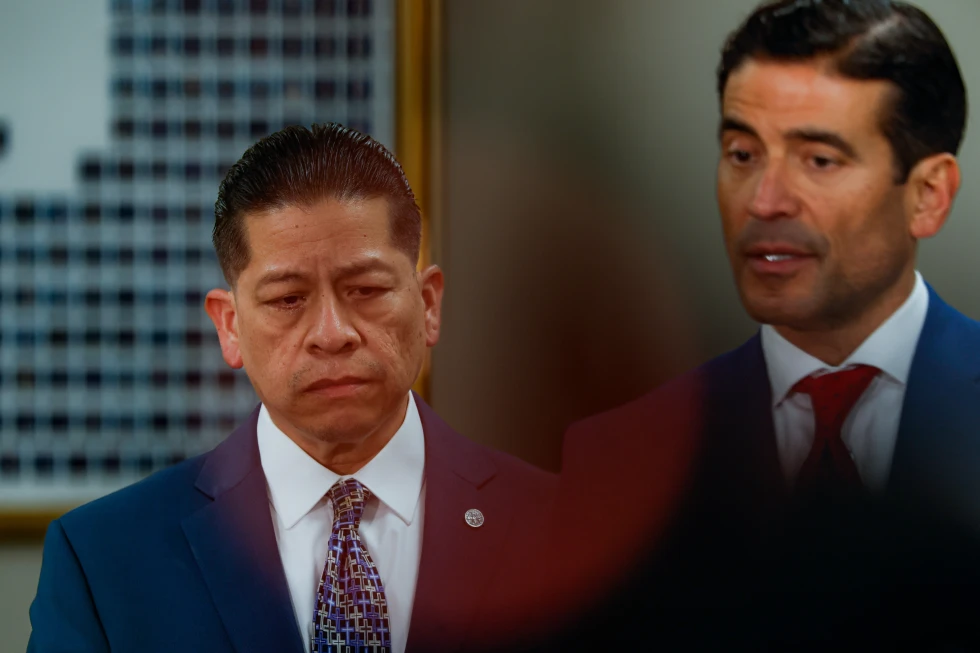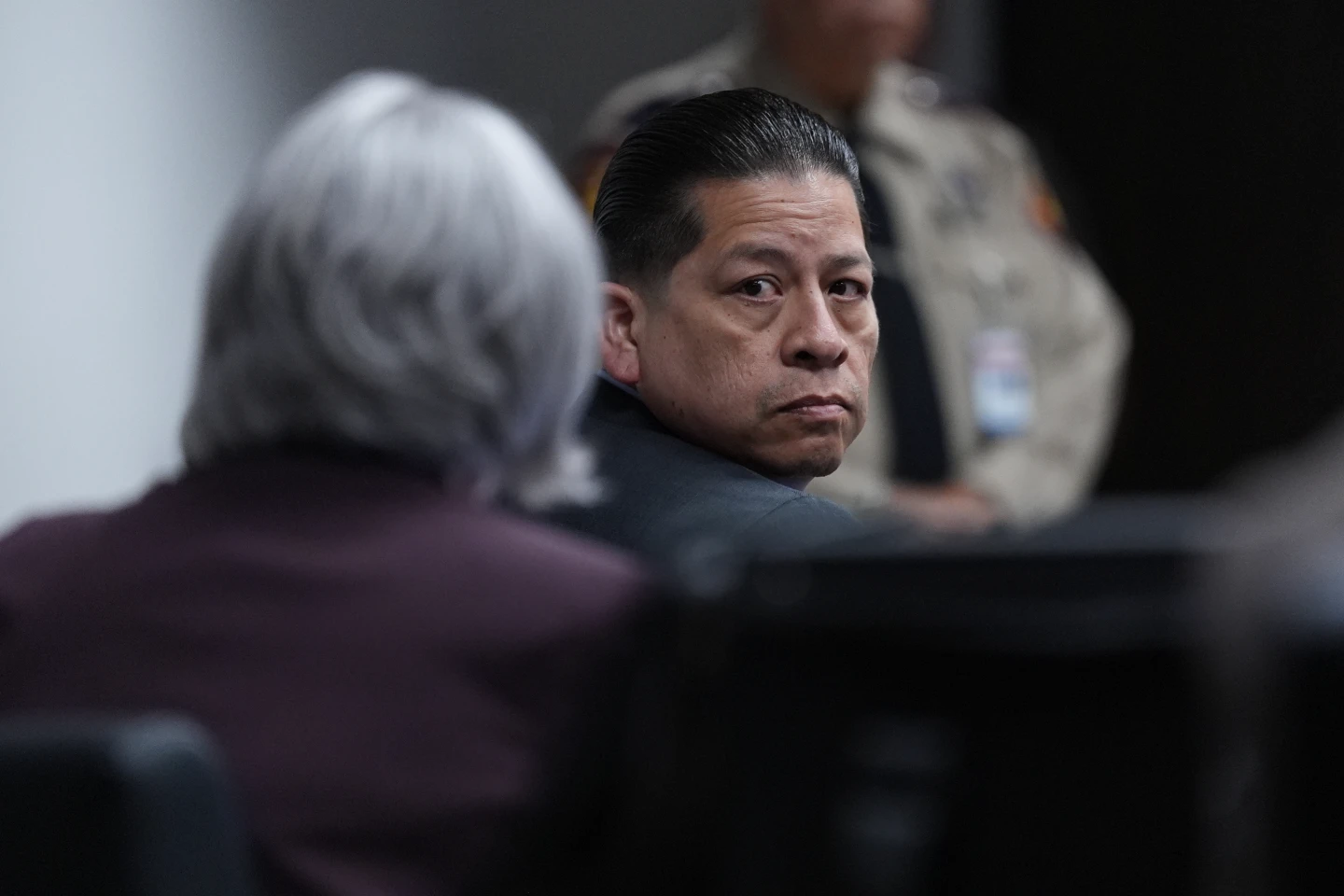
CORPUS CHRISTI, Texas (AP) — The trial of former Uvalde, Texas, school police officer Adrian Gonzales, accused of failing to perform his duty during the critical moments of the 2022 Robb Elementary School attack, is now in the hands of a jury. Closing arguments were presented on Wednesday, marking a significant moment in a case that reveals the troubling actions of law enforcement during one of the deadliest school shootings in U.S. history.
Gonzales, who arrived early at the scene, faces 29 counts of child abandonment or endangerment due to the tragic deaths of 19 children and two teachers during the shooting by an 18-year-old gunman. He has pleaded not guilty and could face up to two years in jail if convicted.
Special prosecutor Bill Turner emphasized, “Every second counts in an active shooter situation,” highlighting the urgency of response during such crises. Many teachers and witnesses recounted terrifying experiences that day, with emotional testimony painting vivid pictures of chaos and fear.
Throughout the trial, which commenced on January 5, prosecutors called 36 witnesses to testify over nine days. In contrast, Gonzales’s defense called only two witnesses, including a neighbor who testified she observed the shooter strategizing away from sight.
Despite the prosecution’s best efforts, they encountered challenges with some inconsistent witness testimonies. One teacher, dismissed from the witness stand, inadvertently revealed unshared insights about the shooter while on trial.
The trial was strategically moved to Corpus Christi as Gonzales’s defense team argued that a fair trial was impossible in Uvalde, where the shooting took place. Nevertheless, families of the victims have traveled to attend the proceedings, echoing their grief and the calls for accountability.
Only Gonzales and former Uvalde school police chief Pete Arredondo face criminal charges related to the delayed response to the attack, which saw numerous officers waiting more than an hour before taking down the gunman.
As jurors prepare to deliberate, the impact of this case resonates throughout the fragmented community of Uvalde, where healing is still desperately needed.