The man who killed Japan's former prime minister Shinzo Abe has been sentenced to life in prison, three and a half years after he shot him dead at a rally in the city of Nara in 2022.
Tetsuya Yamagami had pleaded guilty to murder charges at the trial's opening last year, but public opinion remains divided on his punishment. While many view him as a cold-blooded murderer, others sympathize with his troubled upbringing.
Prosecutors argued for life imprisonment for this grave act as Abe's assassination shocked a nation known for its low gun crime rates.
In a bid for leniency, Yamagami's defense claimed he was a victim of religious abuse due to his family's financial ruin linked to the Unification Church, of which Abe had ties. The court acknowledged this background but ultimately maintained that such factors could not excuse the crime.
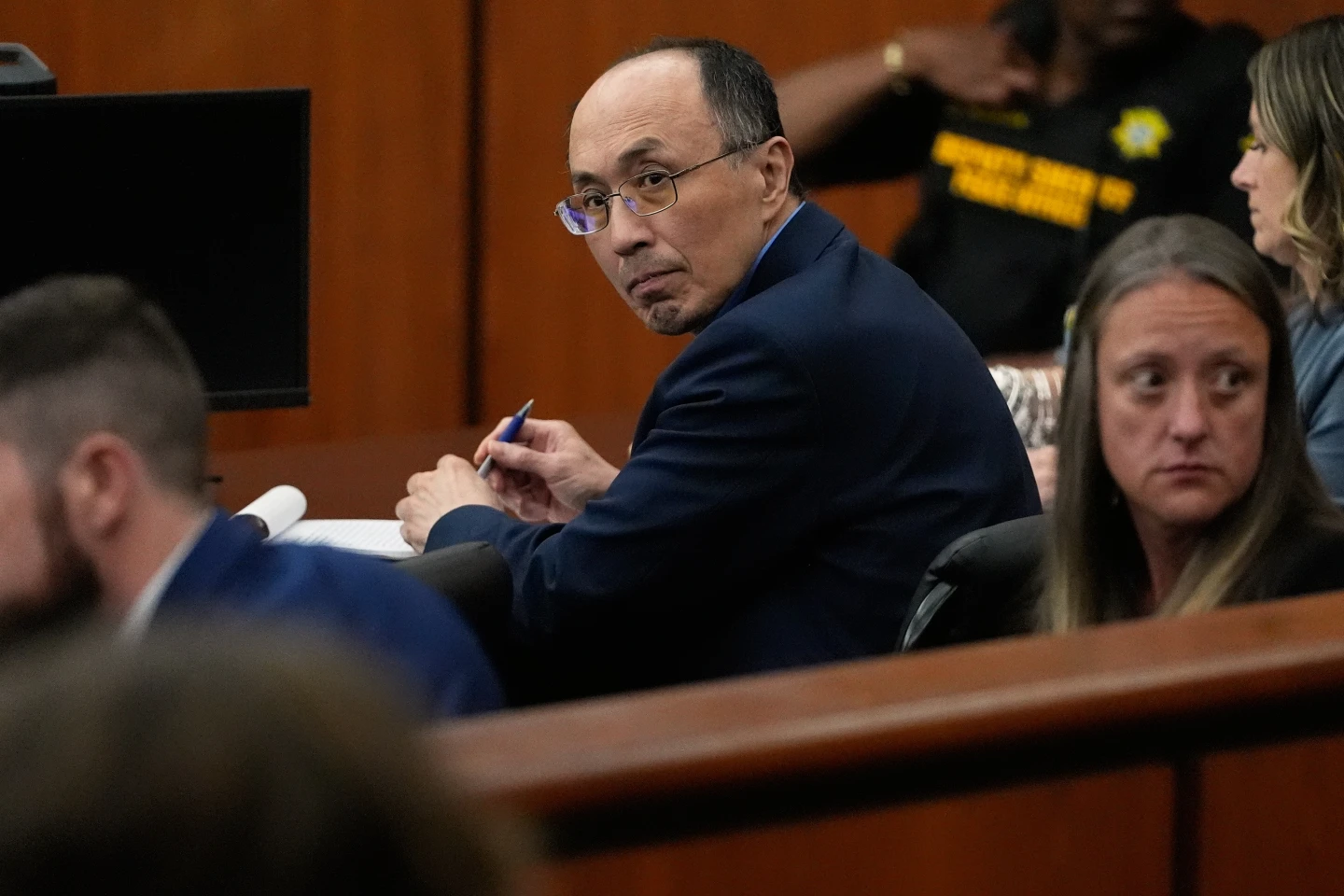
On sentencing, Judge Shinichi Tanaka called Yamagami's actions despicable and extremely malicious. Yamagami, who attended the hearing quietly, faced public interest as nearly 700 people sought to witness the events in court.
Abe's death led to a deeper investigation into the Unification Church and its controversial practices, including its financial dealings and ties with politicians.
During the trial, Yamagami expressed regret, stating, Everything is true. There is no doubt that I did this. Observers noted the emotional impact of the trial on both Yamagami and Abe's family, illustrating the complex interplay between personal grievances and broader societal issues.
The case invites ongoing discourse about the implications of Yamagami's actions and the societal setting that may have led to such a tragedy.