In brief
In a clarion call, over 40 polar scientists have cautioned against the use of geoengineering as a means to mitigate climate change in the Arctic and Antarctic regions. They argue that manipulating these fragile environments could lead to severe ecological damage and serve as a dangerous distraction from the urgent need to reduce fossil fuel reliance. The review published in 'Frontiers in Science' examines the feasibility and risks of various polar geoengineering proposals, concluding that they fail to meet basic environmental standards and are unlikely to provide effective solutions.
Plans to fight climate change by manipulating the Arctic and Antarctic environment are dangerous, unlikely to work, and could distract from the need to ditch fossil fuels, dozens of polar scientists have warned.
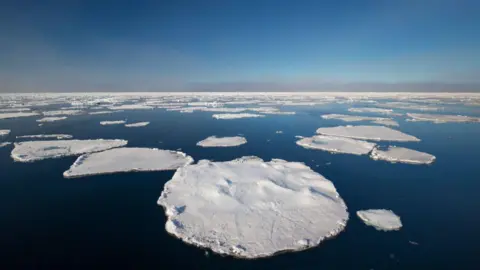
These polar geoengineering techniques aim to cool the planet in unconventional ways, such as artificially thickening sea-ice or releasing tiny, reflective particles into the atmosphere.
They have gained attention as potential future tools to combat global warming, alongside cutting carbon emissions. However, more than 40 researchers stress that these methods could induce severe environmental damage and are urging countries to focus on achieving net zero as the primary way to limit global warming.
Geoengineering, which refers to deliberate interventions in the Earth's climate system, is a hotly debated issue within climate science. Some interventions, like planting trees to absorb carbon dioxide from the atmosphere, are already recognized as legitimate components of net zero efforts.
Yet radical geoengineering suggestions, like sunlight reflection, merely address the symptoms of climate change rather than its underlying causes, according to Martin Siegert, professor of geosciences at the University of Exeter.
Although some supporters argue that exploring geoengineering techniques could help mitigate rising temperatures, the overwhelming consensus is that the risks, particularly in fragile polar regions, are far too great.
The recent assessment, featured in the journal 'Frontiers in Science', reviewed the viability of various polar geoengineering ideas and found that they do not pass basic feasibility tests, raising concerns over potential environmental risks.
One suggestion is to release reflective aerosols high in the atmosphere to cool the Earth—a concept that has drawn skepticism due to its potential to alter weather patterns and escalate geopolitical tensions.
Moreover, the financial implications of geoengineering projects, balanced against their dubious efficacy, point towards a misguided focus that could distract efforts from essential emission reductions.
Overall, scientists urge urgent action toward decarbonization and underscore that there are no shortcuts to mitigate the climate crisis, reinforcing the need for a complete overhaul of humanity's approach to carbon emissions.