In brief
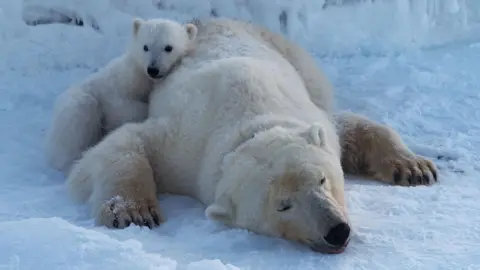
A study of polar bears in the Svalbard archipelago shows that, contrary to expectations, the bears have gained weight and improved health since the early 1990s. Researchers attribute this phenomenon to their adaptation to ice loss by hunting more land-based prey such as reindeer and walruses. However, experts warn that the long-term outlook remains grim as ongoing ice decline poses serious risks to their survival.
Scientists expected the opposite, but polar bears in the Norwegian Arctic archipelago of Svalbard have become fatter and healthier since the early 1990s, all while sea ice has steadily declined due to climate change.
Researchers observed a total of 770 polar bears over 27 years and found significant increases in their body fat. This has led scientists to suggest that these bears have shifted their diet towards land-based prey, including reindeer and walruses, in response to diminishing ice.
The study published in Scientific Reports highlights that ice loss in the Svalbard region has resulted in nearly 100 fewer ice days over the last few decades, making these findings particularly surprising. Lead researcher Dr. Jon Aars expressed his astonishment, stating that he would have expected a decline in the bears' health given the significant ice loss.
While this may seem encouraging, experts caution that the long-term viability of these polar bears remains at risk. As sea ice continues to disappear, bears face increased difficulty in accessing hunting grounds, leading to potential energy depletion and reduced fat reserves.