In brief
Sharks, the ocean's top predators, face an additional threat from increasing ocean acidity linked to climate change and human activity. A study from German researchers indicates that acidic waters could weaken sharks' teeth, crucial tools for hunting, raising concerns about their future as apex predators. While sharks have survived various environmental changes over millions of years, the impact of overfishing and acidification presents significant challenges. Conservationists warn that without adequate protection, many shark species may face extinction in the coming years.
PORTLAND, Maine (AP) — Sharks, recognized as the most formidable predators of the sea, rely on their powerful teeth that continuously regrow throughout their lives. However, a new study conducted by German scientists suggests that increasing ocean acidity, a result of human activities like burning fossil fuels, may jeopardize these essential tools.
The findings highlight that as oceans become more acidic, the structural integrity of shark teeth may diminish, making them more susceptible to damage. Lead author Maximilian Baum, a marine biologist at Heinrich Heine University Düsseldorf, emphasizes that this development could threaten sharks' apex predator status in the marine food chain.
We found there is a corrosion effect on sharks' teeth, which could jeopardize their ecological dominance, said Baum. Importantly, the research suggests that while tooth loss won't happen overnight, the gradual weakening of teeth poses a new risk to sharks already grappling with pollution, overfishing, and climate change.
Implications of Ocean Acidification
The researchers published their work in Frontiers in Marine Science, underlining the significance of ocean acidification as a focus for conservation efforts. The ongoing absorption of carbon dioxide by oceans could lead to a tenfold increase in acidity by 2300, escalating the risks faced by marine life.
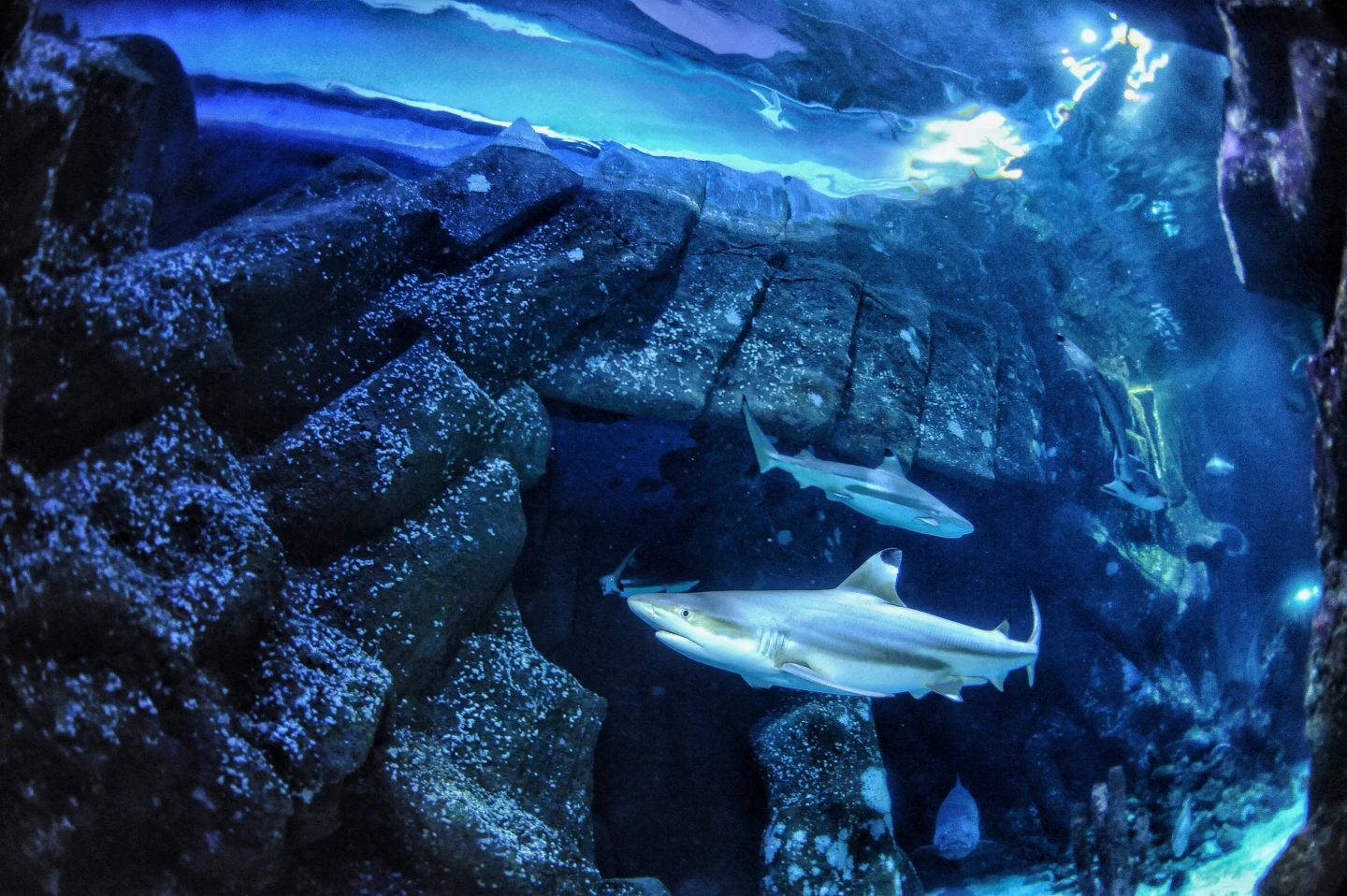
For their study, the team tested over 600 discarded teeth from blacktip reef sharks. The results revealed that teeth exposed to hypothesized future acidic conditions suffered pronounced damage, including cracks and root corrosion. The implications of these findings are profound, as they underscore the vulnerability of these essential weapons.
Sharks: Survivors or Endangered Species?
Despite concerns about tooth durability, sharks remain a critical part of ocean ecosystems, influencing fish and marine mammal populations. However, the International Union for Conservation of Nature reports that over one-third of shark species are currently at risk of extinction. Experts like Nick Whitney from the Anderson Cabot Center for Ocean Life point out that shark teeth, developing in protective tissues, may initially resist changes in ocean chemistry.
The long-term effects of ocean acidification remain uncertain, with potential impacts not just on sharks but across various marine species. Gavin Naylor, director of the Florida Program for Shark Research, warns that while acidification threatens many marine organisms, overfishing remains the most pressing threat to sharks.
The Future of Sharks in a Changing Ocean
Ocean acidification is expected to alter the marine landscape significantly, affecting not only sharks but also shellfish and fish populations. Consequently, it is critical to address these new environmental challenges if we wish to preserve the evolutionary success of sharks and the broader marine ecosystem.