US Withdraws Troops from Nigeria After Islamic State Mission
By Makuochi Okafor, West Africa reporter, Lagos
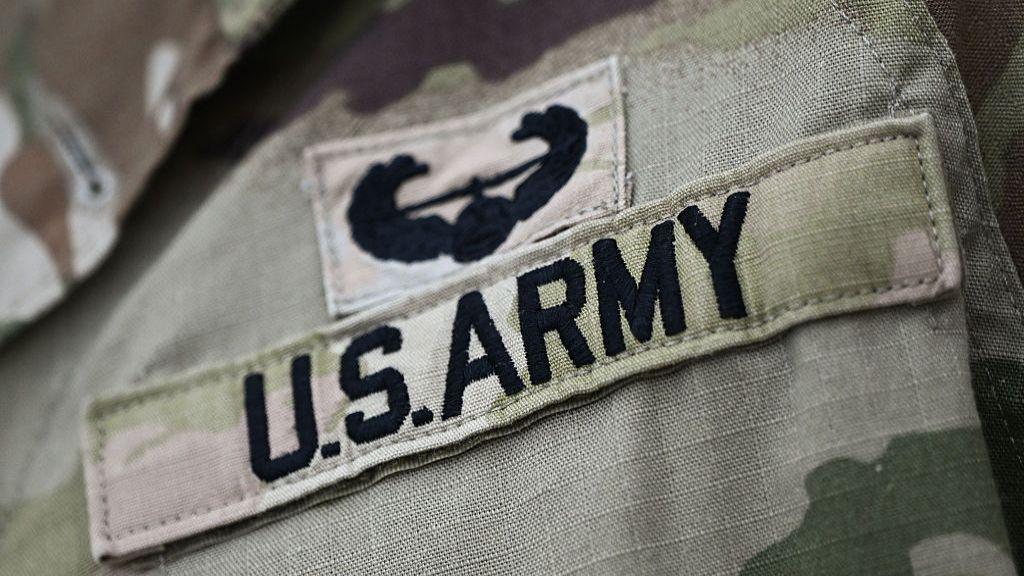
The United States said the operation had “significantly degraded” IS leadership in Nigeria.
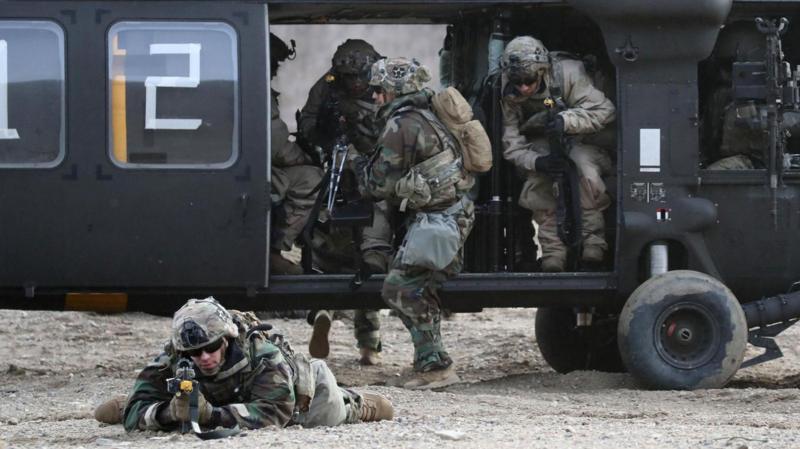
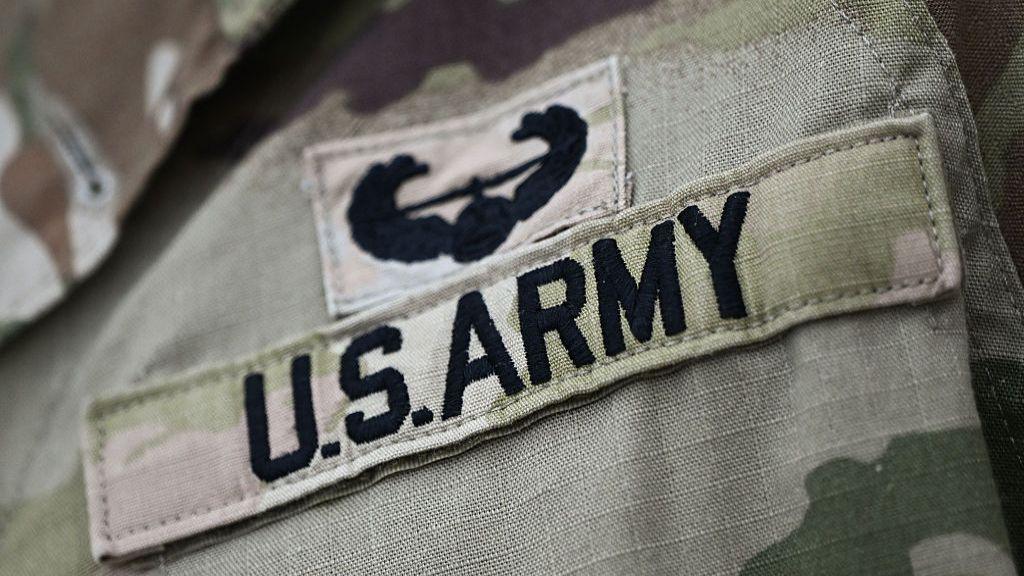
The United States has withdrawn most of the troops it deployed in Nigeria earlier this year in an effort to help fight Islamist militant groups.
In December, US and Nigerian forces launched a joint operation in the Lake Chad Basin, striking militants on Christmas Day, before deploying about 200 soldiers two months later.
Senior Islamic State leader Abu‑Bilal al‑Minuki was killed during the months‑long mission.
On Thursday, the US said the operation had been a success, while Nigeria’s military spokesperson told the BBC the withdrawal would “not affect our momentum in any way”.
Maj‑Gen Michael Onoja confirmed that intelligence‑sharing between the two countries would continue, a view echoed by US forces.
Military cooperation between Nigeria and the US escalated after Washington accused Nigerian authorities of not doing enough to protect vulnerable groups against Islamist militants, alleging a so‑called "Christian genocide" in the country. Nigeria has firmly rejected the claim, stating that the violence is complex and affects people from all communities.
Political‑violence monitors say that most jihadist victims are Muslims, as the groups operate mainly in the north where Islam predominates.
Earlier this year, the US announced it would deploy about 200 troops to support Nigeria’s counter‑insurgency, stressing that the forces would not engage in ground combat. General Dagvin Anderson, commander of US Air Forces in Africa, confirmed that most of these troops had now left, noting the operation’s success in degrading IS leadership.
Despite the withdrawal, US military personnel with a mandate behind the Lake Chad Basin operation remain stationed in Nigeria. Major General Samaila Uba said the presence would continue to support operational objectives.
Nigeria continues to face multiple security challenges, including Islamist militants, banditry, and criminal violence, which has spread from the north into the central and southern regions.
For more updates, explore related stories or visit BBCAfrica.com. Follow us on Twitter, Facebook and Instagram.