In brief
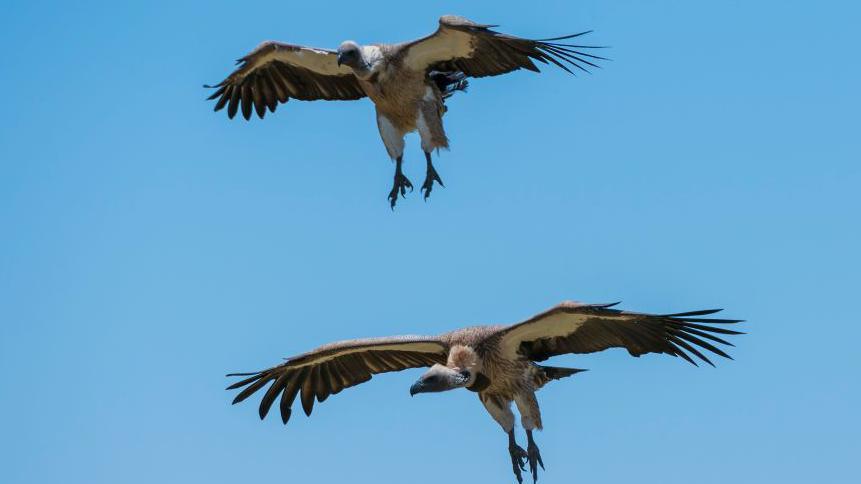
Vultures, key scavengers that keep ecosystems clean, face a dramatic decline across West Africa because of hunting, poisoning and urbanisation. In the town of Awka‑Etiti, the community’s spiritual shrine and a local volunteer – nicknamed the Vulture King – has reversed the trend in a few years, raising the population from around 20 to more than 160 birds. The leaders organise patrols, adopt local bylaws, and educate outsiders about the ecological role of vultures. Meanwhile the broader region still battles illegal trade and traditional beliefs that fuel exploitation of vulture bodies. The case of Awka‑Etiti shows how community‑led conservation can restore essential wildlife and safeguard public health.
“People fear the environment where the shrine is. No evil will ever happen here. So, nobody fights vultures that perch here,” says Chukwuemeka Igwe, whose community devotion earned him the nickname “Vulture King.”
Vultures are normally associated with death, but without them ecosystems lose a natural defence against disease. Their rapid digestion keeps carrion from becoming breeding grounds for dangerous bacteria.
In much of West Africa, hunting linked to traditional beliefs, poisoning and habitat loss has pushed several vulture species toward extinction, with populations falling 80%‑97% in the past 50 years. The illegal trade of whole birds, eggs and nests fuels this decline, aided by porous borders and a growing demand for traditional medicine.
But in Awka‑Etiti, a sacred forest and a shrine dedicated to the deity Nguma remain untouched by these threats. Vultures still land on the ancient palm tree at the shrine’s centre, where their presence signals that the sacrifice has pleased the spirit.
Igwe has worked with the Nigeria Conservation Foundation for six years, mobilising local leaders, volunteers and security teams to patrol the shrine, report illegal hunters and enforce community bylaws that protect the birds.
The result is remarkable: more than 160 vultures have been recorded at the site in recent years, up from around 20 in 2017.
“I’m fighting to make nature exist the way it’s supposed to be,” Igwe says, reminding everyone that these scavengers save lives by preventing the spread of zoonotic diseases.
While Nigeria’s Customs Service arrests illegal smuggling by seizing vultures and other wildlife, enforcement alone is not enough. Education and community engagement are equally vital to stop hunting for traditional medicine and to promote the ecological importance of vultures.
Awka‑Etiti’s story demonstrates what is possible when a community takes charge of its environment. It offers hope that the balance between human society and wildlife can be restored, protecting not just the birds but public health at large.