In brief
In a bid to rally Republicans for the 2026 midterms, Trump announced a $1m reward for those exposing cases of voter fraud that lead to convictions. He has repeatedly claimed postal voting and non‑citizen voting pose a widespread threat, though studies from Brookings and other institutions find fraud to be close to zero. His push for stricter voter‑ID laws and use of the SAVE database has met with mixed reception, with courts limiting his authority and data reliability being questioned. The episode underscores a broader debate over electoral integrity and the tension between reform and suppression.
Trump’s $1m Voter‑Fraud Reward Ignites a Decades‑Long Myth
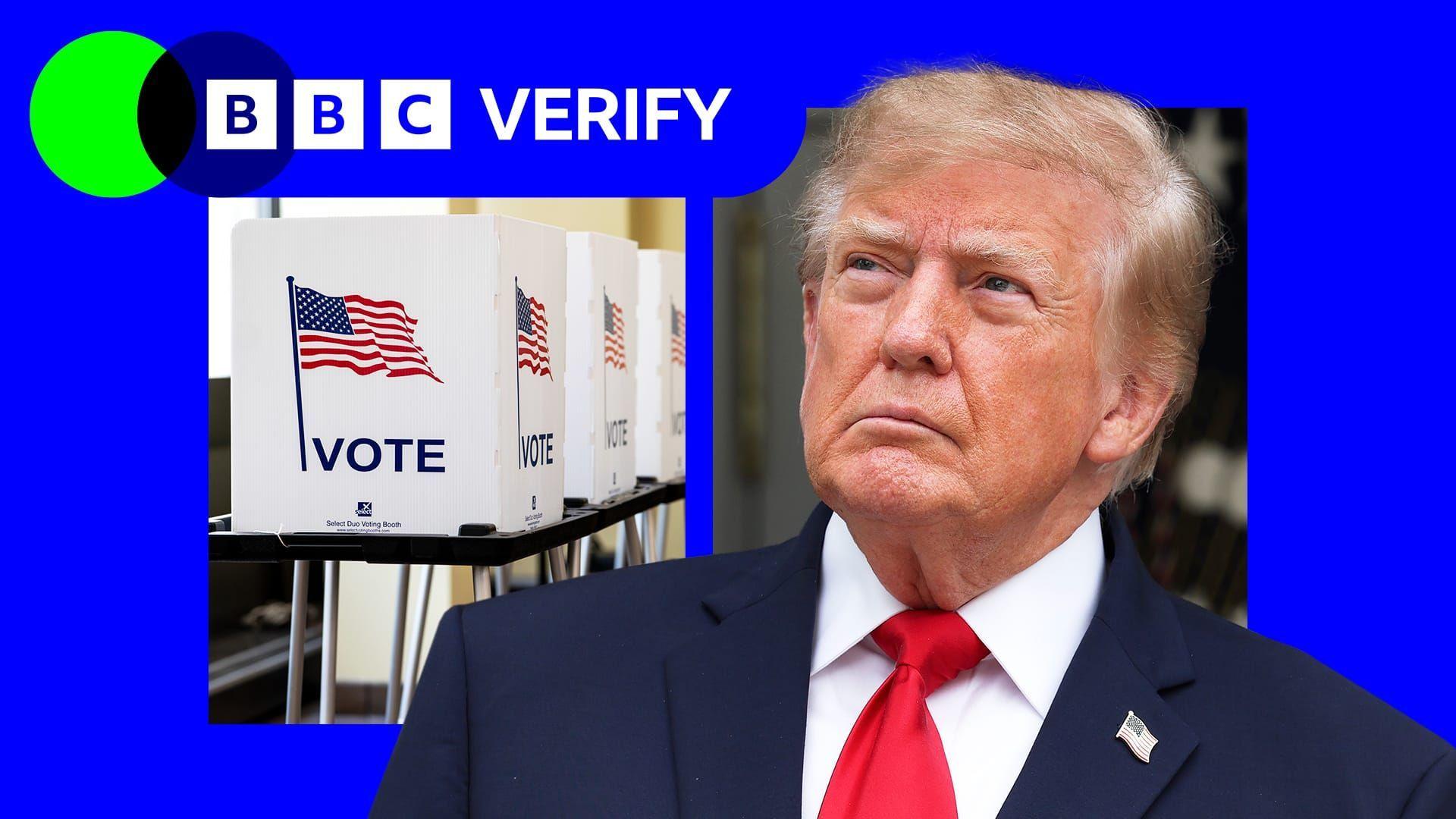
President Donald Trump has announced a $1m reward for anyone who reports voter‑fraud cases that result in convictions.
The push comes ahead of the 2026 US midterm elections on 3 November and follows Trump's long‑standing claim that postal voting and non‑citizen voting have caused rampant fraud. Yet a range of studies—from the Brookings Institute to the American Statistical Association—show that such fraud is extremely rare.
Trump’s efforts to tighten voter‑ID rules and force states to use the federal SAVE database to identify non‑citizens have hit legal snags. The Supreme Court blocked his executive order on voting‑ballot delivery, citing its proximity to the election as “arbitrary and capricious.”
Legal experts highlight that while the data can be useful if handled correctly, many records are outdated and unreliable. In practice, the National Supreme Court’s latest injunction allows the database to be used only on a voluntary basis; and the latest audits in Georgia and Nevada show minimal impact on voter rolls.
Anti‑voter‑suppression advocates warn that stricter ID requirements could deter legitimate voters lacking travel passports or state IDs. Studies by the Brennan Center reveal that roughly 9% of voting‑age Americans cannot prove citizenship easily, whereas conservative analysis from the Cato Institute suggests existing ID laws have had little measurable effect on turnout.
Ultimately, the debate embodies deeper questions about how to maintain election integrity while safeguarding democratic participation. As the midterms draw closer, observers will watch whether Trump’s reward and regulatory proposals change the political terrain or simply reinforce entrenched narratives about a highly secure, yet highly contested, American democracy.
Related links: