Trump's Intuitive Warfare Strategy Fails Against Iranian Resilience
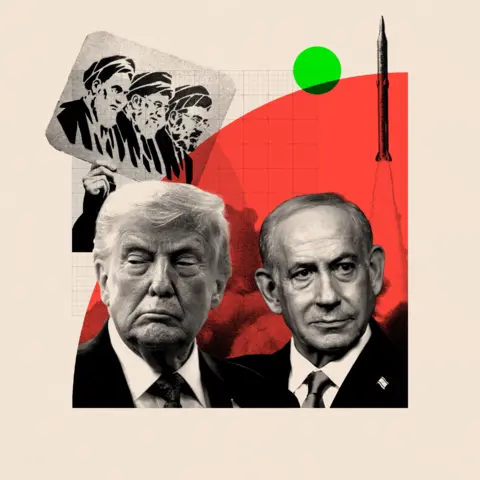
In recent weeks, the ongoing military conflict initiated by President Donald Trump and Israeli Prime Minister Benjamin Netanyahu against Iran has drawn critiques for its reliance on instinctive decision-making rather than strategic planning. Some military analysts argue that Trump's approach reflects a fundamental misunderstanding of the complexities involved in modern warfare, particularly against a resilient adversary like Iran.
One of the key insights emerging from this conflict is that empirical evidence from past wars suggests 'no plan survives first contact with the enemy.' This age-old military wisdom highlights the necessity for adaptable strategies in response to unforeseen challenges on the battlefield. Yet, Trump's responses have often seemed dictated by instinct rather than informed analysis, raising concerns about the coherence of U.S. military objectives.
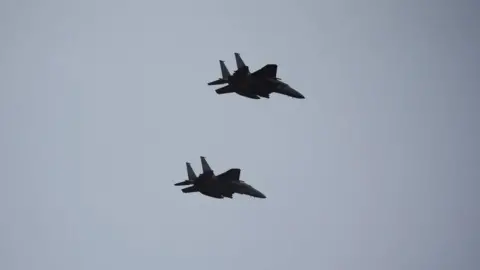
The initial success of U.S. and Israeli airstrikes against Iran was anticipated to pave the way for regime change and a quick victory. However, the persistence of the Iranian regime, which has absorbed these blows and retaliated, underscores a dramatic miscalculation. Despite significant civilian casualties—estimated at nearly 1,500—Iran continues to maintain and even expand its operational capabilities.
Military philosopher Dwight D. Eisenhower famously stated that 'plans are worthless, but planning is everything.' This sentiment resonates deeply as the U.S. faces the possibility of escalating its military involvement amidst a lack of clear, strategic direction from Trump's inner circle. The President’s instinctual declarations, including a vague timeline for the war's conclusion based on 'feelings,' underscore the risks associated with abandoning reasoned military strategy
As the conflict escalates, observers warn of the inherent dangers of asymmetric warfare, where a smaller power like Iran can use ingenuity and geography against a more powerful adversary. Iran's control of the Strait of Hormuz—a crucial chokepoint for global oil supply—has allowed it to counter U.S. and Israeli tactics effectively.
Debates over the U.S.'s trajectory in the Middle East are intensifying. If Trump cannot pivot towards a more strategic approach that accommodates the realities on the ground, the implications could not only affect military outcomes but also the broader geopolitical landscape. As it stands, the war may serve as an inflection point in U.S. history, likening it to past missteps that signaled declining hegemony.