Becky Pepper-Jackson, a 15-year-old sophomore, is vying for her spot in girls' sports amidst legislative hurdles that could impact her future as a competitor. After finishing third in the discus throw last year, she is prepared for a season that might be her last.
West Virginia's ongoing debate over transgender girls in sports reflects broader national trends, with over 20 states enacting similar laws. Although lower courts have temporarily blocked these bans, the Supreme Court's initial leanings give rise to concerns. The court is set to hear arguments that could redefine the legal landscape surrounding gender identity and sports.
Pepper-Jackson, who has participated in athletics since middle school, remains determined despite the backlash. In a recent interview, she shared her passion for competing, stating, I’m here to do this because it’s important to me and others like me. Alongside her supportive mother, she discussed the legal precedents shaping her experience as a transgender athlete.
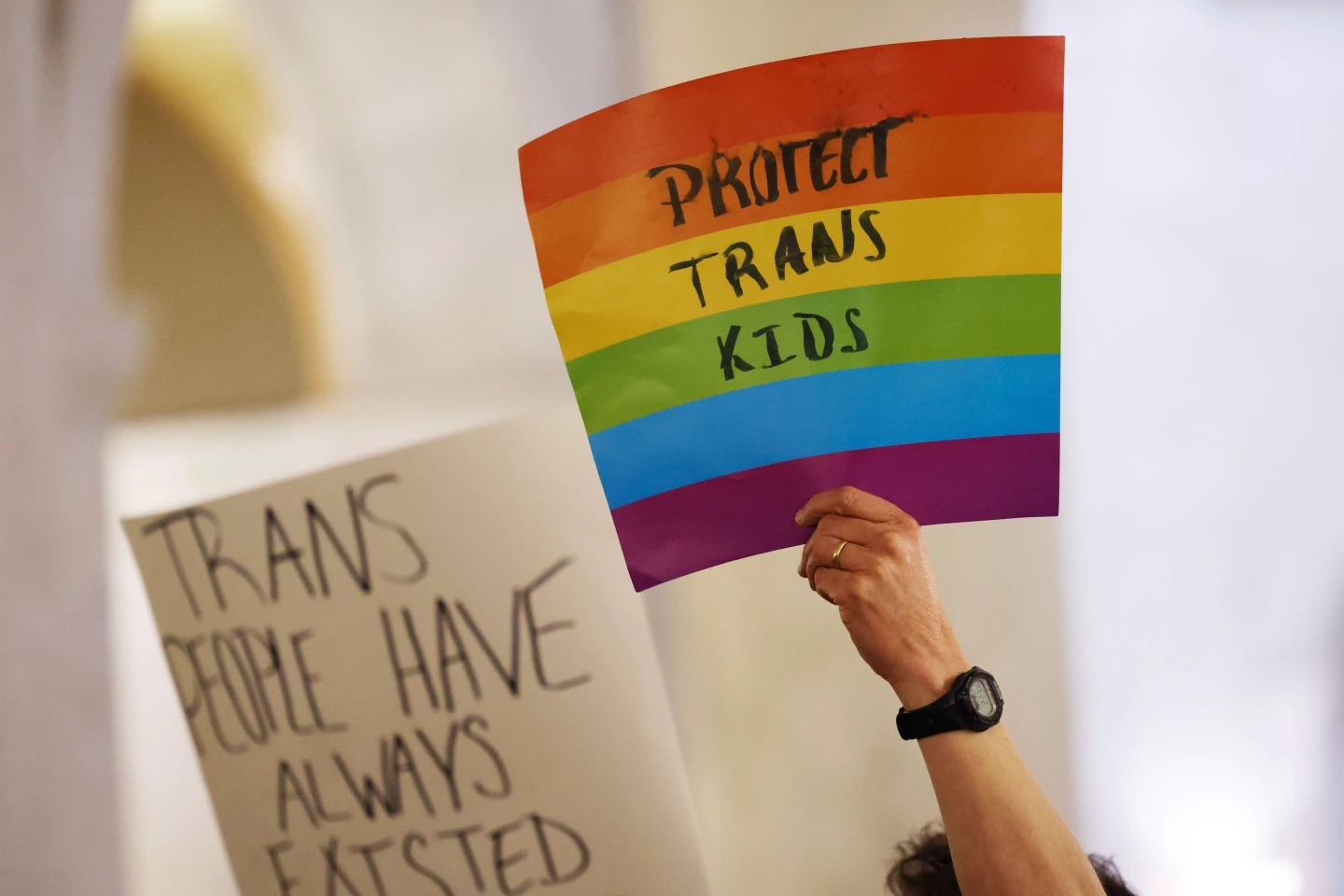
As stigma around transgender athletes continues to linger, the narrative is filled with tension. For instance, West Virginia's attorney general has expressed concerns about fairness, arguing that inherent physical differences could compromise women's sports integrity. However, supporters of transgender rights argue that these restrictions stem from deep-seated discrimination and misunderstanding.
Pepper-Jackson's journey is not just about sports; it encapsulates wider societal issues regarding gender, identity, and inclusion. While she continues to train vigorously, her participation remains contingent on upcoming legal decisions that may drastically affect her rights and opportunities in athletics.
Ultimately, as the battle for transgender rights plays out in courts around the country, the outcome remains uncertain, hinging on the Supreme Court's interpretation of constitutional protections and the role of Title IX in education. Whether Becky can continue to compete or will have to focus on other passions like music remains to be seen, but her story is a poignant reminder of the stakes involved in this critical social issue.