
In brief
In a devastating mining disaster, more than 200 individuals have lost their lives following a collapse at a coltan mine in Rubaya, eastern DR Congo. This incident has raised serious concerns over the safety standards and maintenance practices at sites controlled by rebel authorities. Women and children were among those working in perilous conditions to extract coltan, a vital mineral in electronics. Survivors and families mourn the heavy losses amid calls for accountability and improved safety while the region's mining practices come under scrutiny.
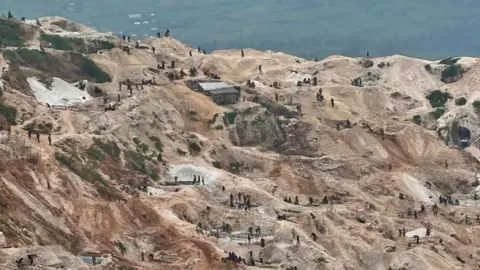
More than 200 people have been killed in a mine collapse in eastern Democratic Republic of Congo, rebel authorities have confirmed.
The tragic incident occurred in the town of Rubaya as heavy rains led to the collapse of the mine. Lumumba Kambere Muyisa, spokesman for the North Kivu region's rebel governor, reported that the exact death toll was initially unclear.
Among the deceased were women and children engaged in mining coltan, a mineral critical for manufacturing electronics such as smartphones and computers.
A former supervisor revealed to the BBC that the mine was poorly maintained, contributing to the tragic accident and complicating rescue efforts.
He noted that the instability of the soil increased the dangers faced by miners.
The victims included artisanal miners who operate outside formal employment structures, highlighting the hazards faced by informal laborers. Reports indicate that approximately 20 survivors are currently hospitalized receiving medical treatment.
One family's tragic story illustrates the impact of this disaster, as a relative shared their shock over losing a cousin, who was seen as a provider for his family.
Governor Erasto Bahati Musanga visited survivors and the site of the collapse, underscoring the ongoing issues in the region, particularly in mines controlled by the M23 rebel group since 2024.
Rubaya's mines contribute significantly to the world's coltan supply, and there are growing concerns surrounding the maintenance and oversight of such sites under rebel control.
The BBC has reached out to the Congolese government for comments on this tragic event.

