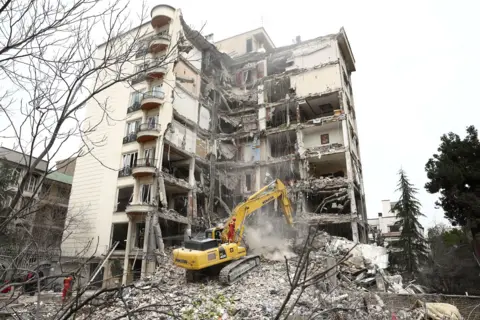
The US-Israeli attacks against Iran, including threats to its energy infrastructure, underscore a dramatic shift in the norms governing international warfare. The implications are far-reaching, raising concerns about the erosion of a rules-based order that prioritizes civilian protection.
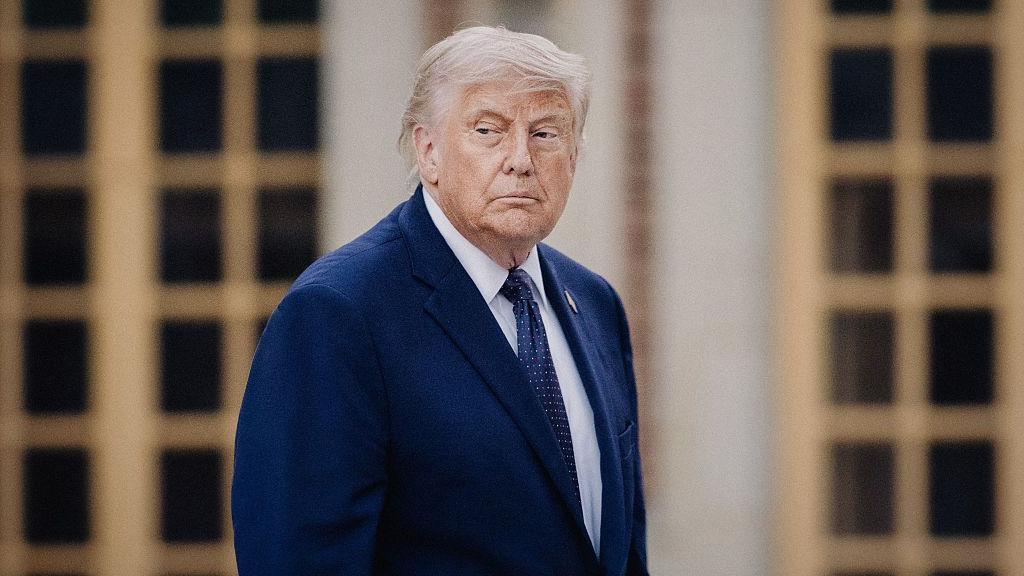
US President Donald Trump's statements regarding the use of overwhelming force against Iranian energy sites have raised alarms among international law experts. Luis Moreno Ocampo, the founding chief prosecutor of the International Criminal Court (ICC), has defined such acts as crimes of aggression under international law, suggesting that threatening to bomb innocent targets contradicts the principles established to guide wartime conduct.
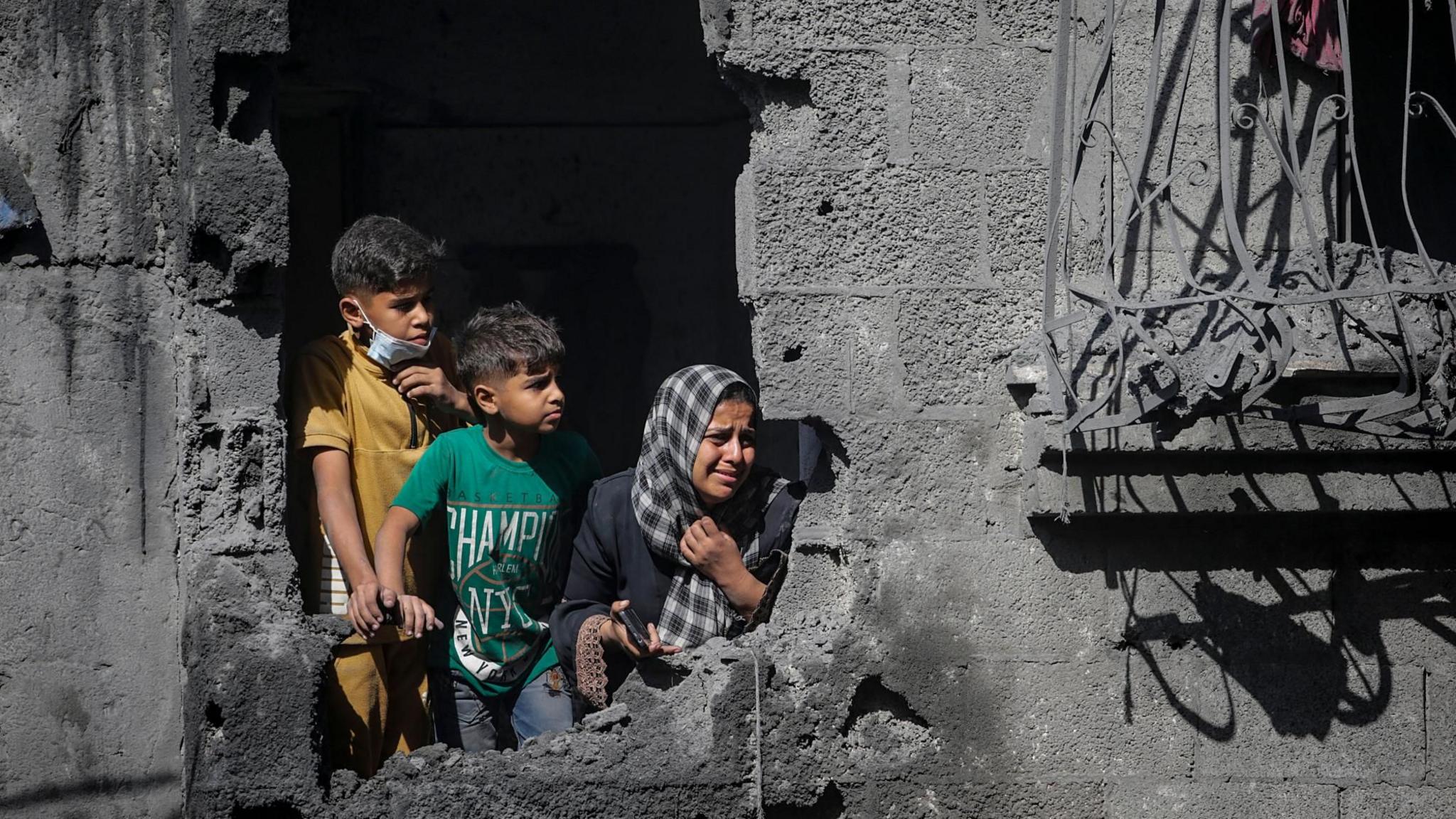
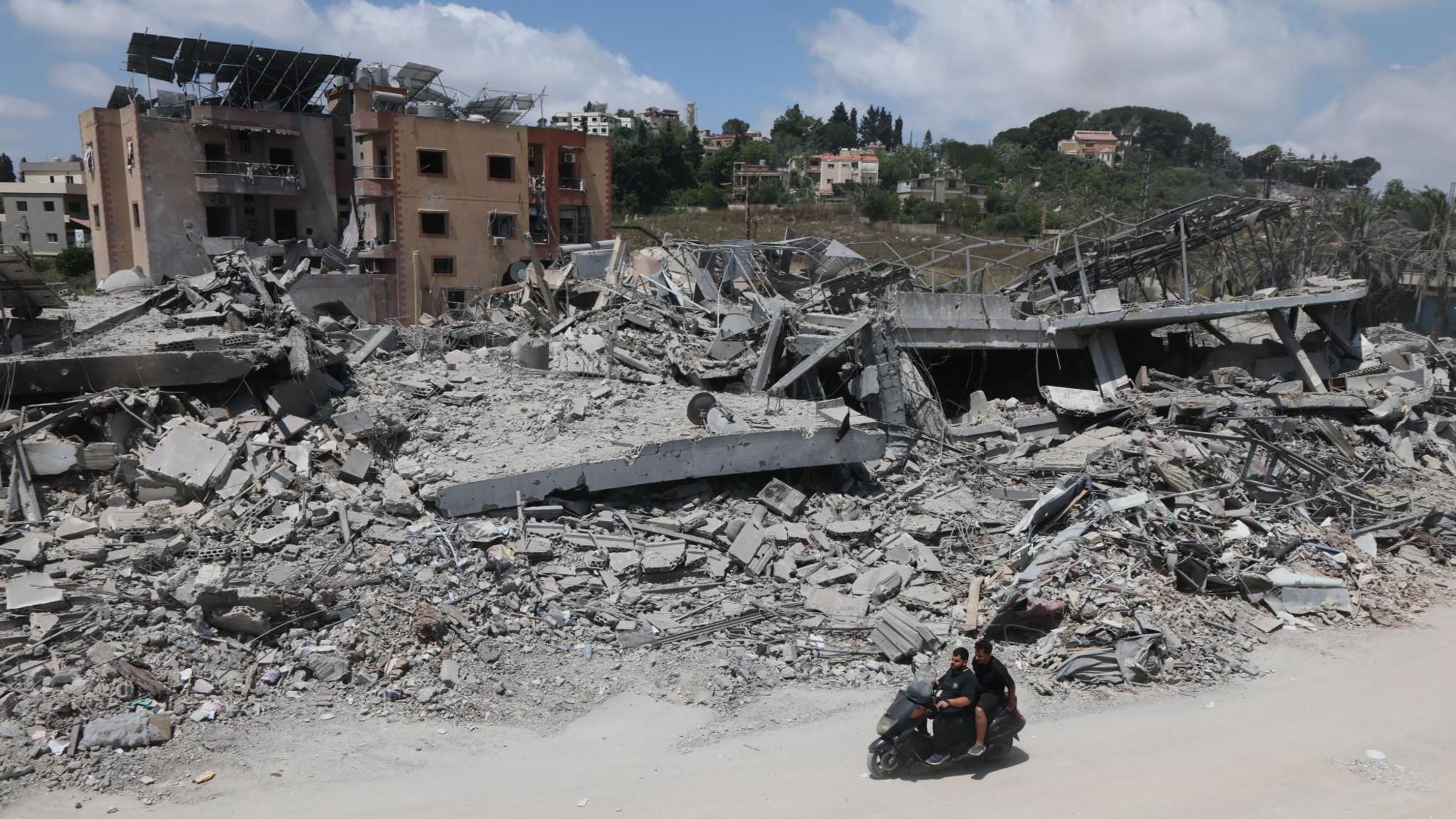
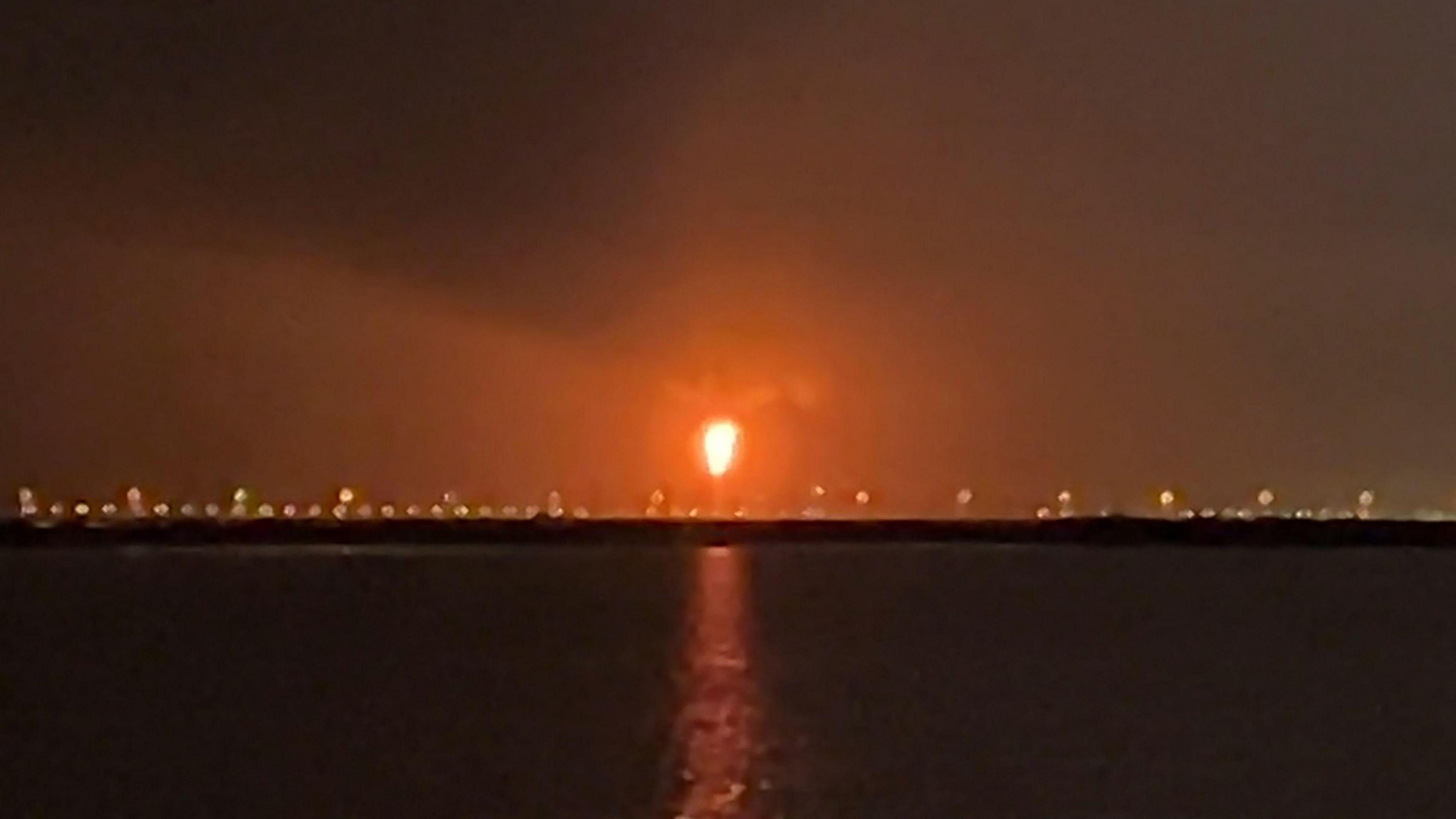
The conflict has seen both Iran and Israel targeting civilian infrastructure, leading many to draw parallels with actions taken in other contentious conflicts like those in Ukraine. Critically, Moreno Ocampo noted the dangers of shifting from a rules-based system to one governed by the whims of individual leaders, likening this to a return to 'the rule of the man'.
The White House has remained resolute, dismissing criticisms as 'ridiculous' and framing its actions as necessary to contain a 'rogue regime'. However, with each escalation, the international community faces the challenge of navigating an increasingly unpredictable landscape, raising foundational questions about the legality and moral implications of military actions on civilian infrastructures worldwide.
As the situation continues to evolve, experts warn that the erosion of established norms could have long-standing consequences for global peace and security.