In brief
Congress has seen a cycle of proposed legislation aimed at ensuring pay for air traffic controllers and TSA agents during government shutdowns. Proposals like the Aviation Funding Solvency Act and the Keep Air Travel Safe Act have been introduced multiple times but have ultimately failed to pass. Experts suggest that public pressure is needed for these proposals to gain momentum, as the impacts of shutdowns on aviation workers remain dire.
The Aviation Funding Solvency Act, the Keep America Flying Act, and several other legislative attempts have been made to guarantee that federal employees such as air traffic controllers and TSA agents receive pay during government shutdowns. Despite bipartisan support for these bills, they struggle to advance past legislative committees.
Eric Chaffee, a law professor specializing in aviation risk management, points out the issue stems from a short public memory following the cessation of crises. Previous shutdowns have led to significant disruptions in air travel, yet the urgency dissipates once the immediate crisis is resolved.
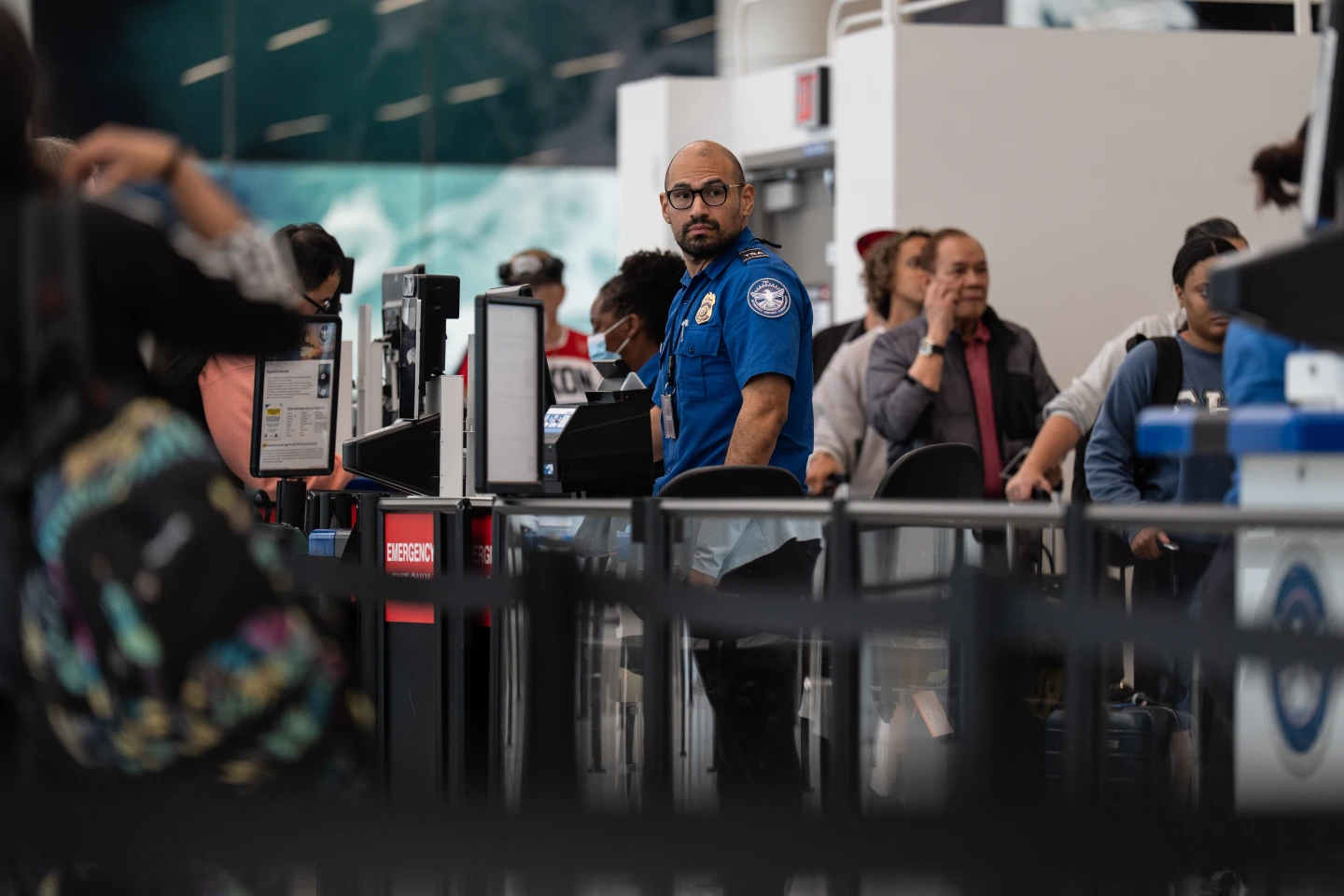
Since 2019, in just a few short years, proposals have been introduced repeatedly, but Congress has failed to act decisively. The ramifications of shutdowns, particularly the extended one experienced recently, highlight the growing concern about the financial stability of essential aviation personnel who are compelled to work without pay.
Emotional accounts from aviation workers reveal their discontent with the perception of stability in government jobs. Union leaders express frustration at the degradation of their members' livelihoods, caught in the crossfire of political maneuvering.
Public calls from labor unions, airline executives, and airport leaders urge immediate congressional action on proposals like the Shutdown Fairness Act to mitigate the impact of funding lapses on employees.
As the political climate in the U.S. becomes more polarized, experts believe that mobilizing public sentiment and awareness is crucial to break the legislative deadlock surrounding the economic security of aviation workers.