The Diminishing Paths to Resolution in the US-Iran Conflict
As tensions escalate in the ongoing war between the US and Iran, both sides find their options for resolution narrowing amid military strikes and diplomatic uncertainties.
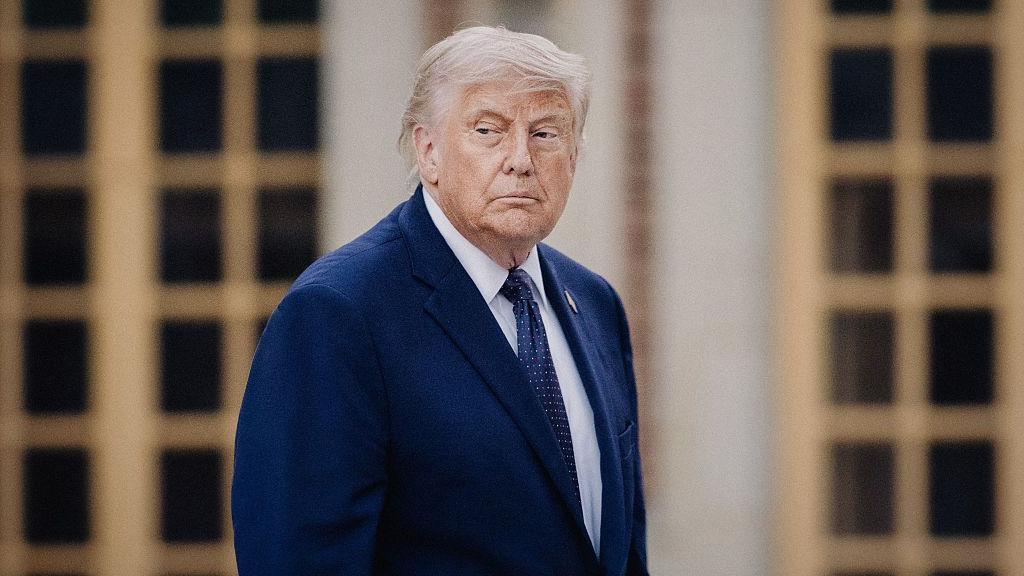
For weeks, the US and its allies have emphasized that Iran's military capabilities have been significantly reduced through sustained military action. President Trump and Defense Secretary Pete Hegseth have asserted that Iran's command structure is weakened, suggesting that the conflict is nearing its end.
However, the reality is quite the opposite. Despite claims of a decimated military capacity, Iran's recent missile launch towards a US-UK base demonstrates a troubling capability that contradicts previous assessments. Although it has been asserted that Iran's missile range was about 2,000km, this incident raises questions about the true extent of its capabilities.
Uncertainty looms over Iran's leadership following significant losses, including Supreme Leader Ali Khamenei. His apparent successor, Mojtaba Khamenei, has remained silent, creating a vacuum at the center of power that raises doubts regarding Iran's decision-making amidst heightened hostilities.
Despite these challenges, Iran's active military responses, including strikes in Israel and missile tests, indicate a coordinated effort rather than the chaos expected from a crippled regime. Trump's strategy, predicated on the notion that eliminating leadership would result in a quick collapse, now faces a significant challenge.
The interplay of escalation further complicates avenues for negotiation. Just hours before a set deadline, Trump issued a warning demanding the reopening of the Strait of Hormuz or face dire consequences, only to later soften his stance, announcing a temporary halt to air strikes. This flux reflects the precarious nature of both nations' positions, where military strategy intertwines with diplomatic maneuvering.
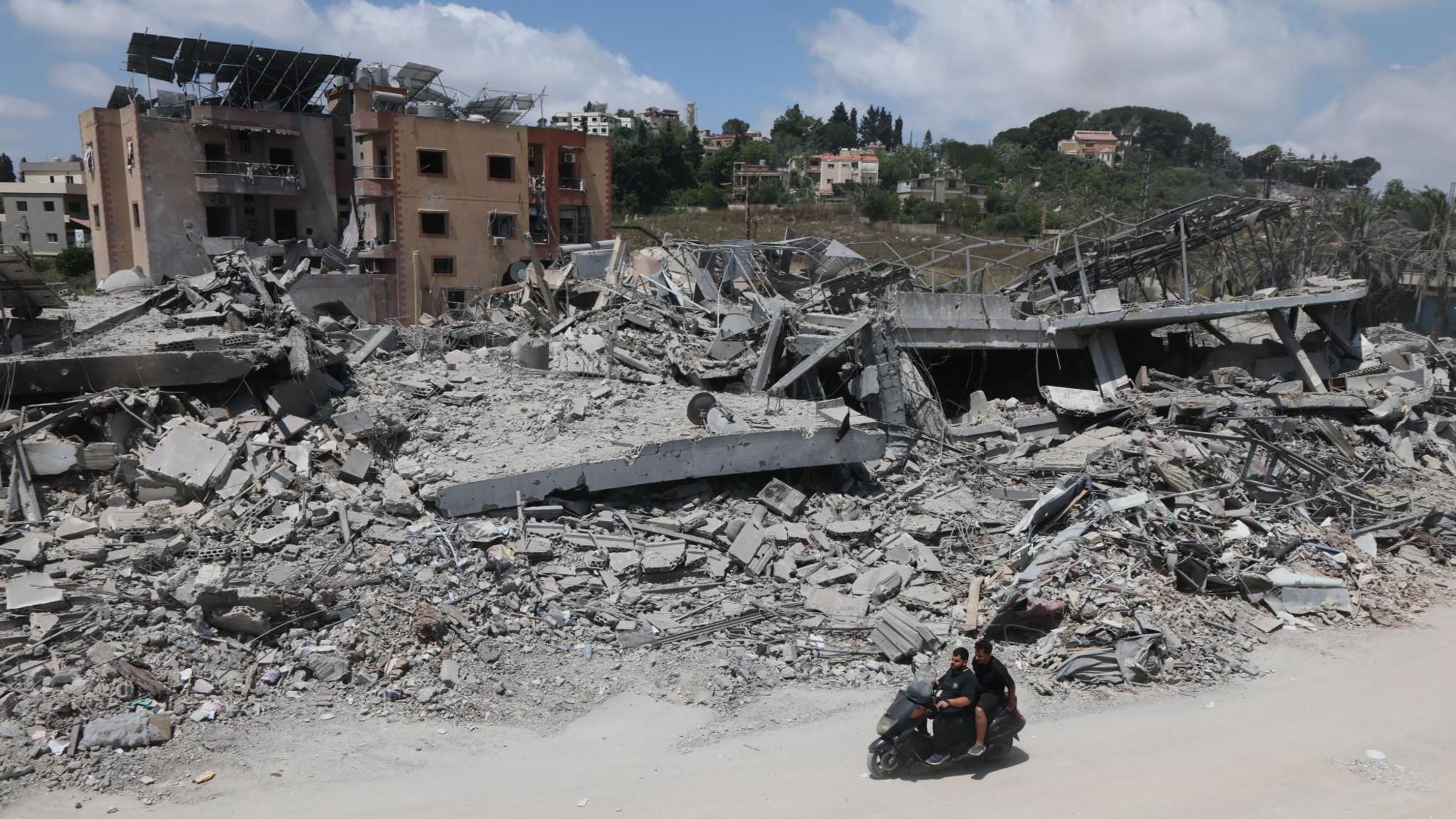
In a conflict that threatens millions across the region, both US and Iranian leaders now confront the limits of their options. As Iran attempts to manage internal dissent while projecting strength externally, the risks of miscalculation loom larger than ever. The path ahead remains fraught with escalating tensions and fewer clear resolutions.