In brief
An Air Canada flight collided with a fire truck moments after landing at LaGuardia Airport, resulting in the death of the pilots and serious injuries to some passengers. Despite the chaos, quick-thinking passengers helped each other escape the wreckage. Investigations are ongoing into the incident, raising questions about air traffic control and airport safety amidst ongoing staffing shortages.
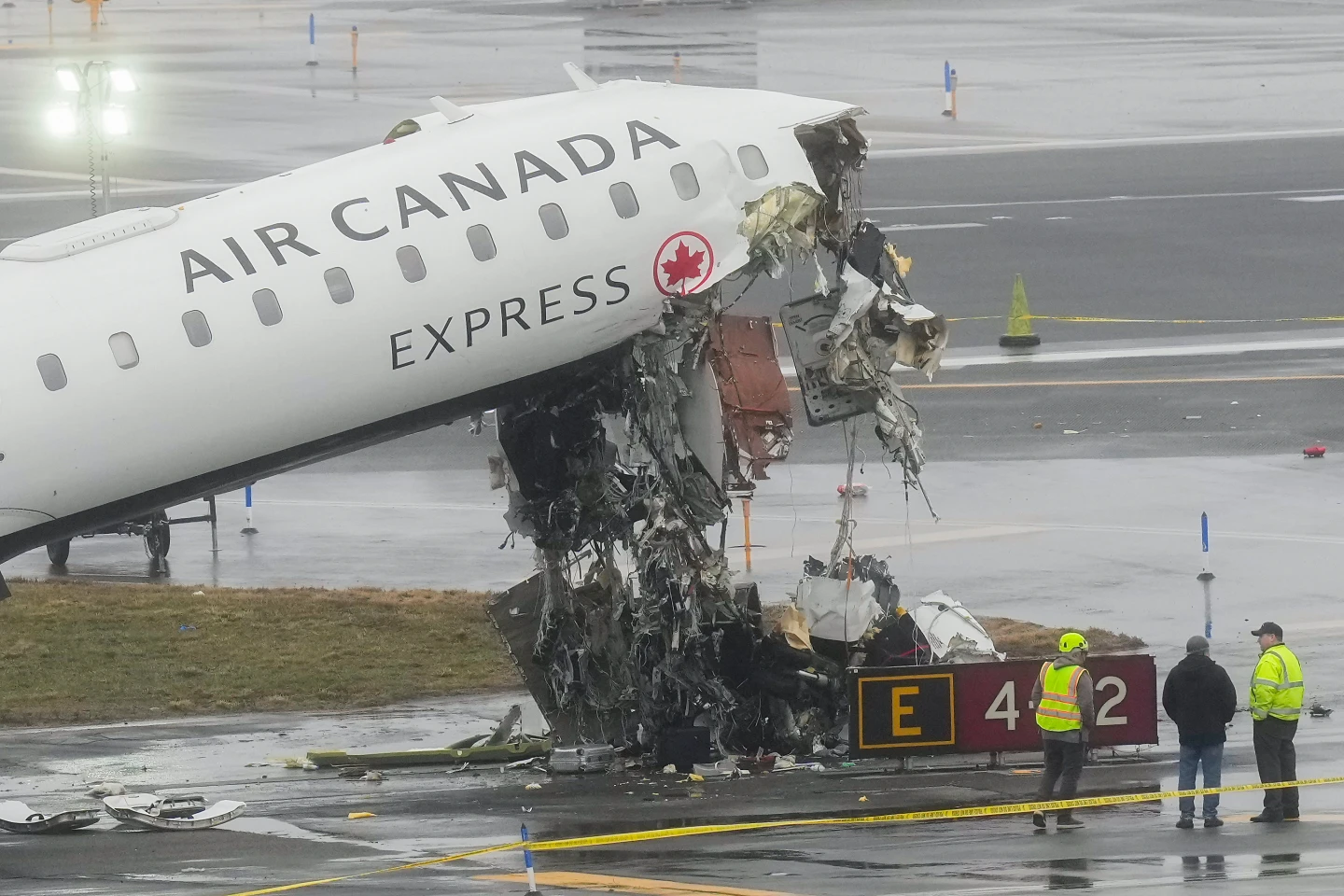
NEW YORK (MetaWorld) — In a harrowing incident at New York’s LaGuardia Airport, an Air Canada jet collided with a fire truck following its landing, resulting in two fatalities and injuries among 40 passengers and crew. Passengers acted heroically, taking the initiative to escape from the damaged cabin, as memories of the disaster lingered in the air.
Witness Clément Lelièvre described a scene of fearlessly organized chaos, where passengers coordinated to assist each other out of the plane. Strangely enough, I wasn’t scared or panicked. We all went outside; we got other people out,” he recalled.
Though the incident left several passengers hospitalized—most suffering serious injuries—most were discharged by Monday morning. The quick response by the flight crew was credited with saving lives. Pilots had managed to perform hard braking as the plane touched down, which helped reduce the velocity of the collision with the fire truck.
The collision was exacerbated by an error in communication between ground emergency services and air traffic control. Examination of the incident focuses on the coordination protocols in place for aircraft and emergency vehicles operating on the ground.
The National Transportation Safety Board (NTSB) is leading the investigation, while Transportation Secretary Sean Duffy acknowledged the ongoing staffing challenges faced by air traffic control at LaGuardia.
As the investigation continues, the spotlight falls on the general safety protocols at one of the country’s busiest airports amidst a backdrop of political and operational complications. The recent events have ignited discussions about the crucial need for improved measures to enhance both air and ground operational safety.