In brief
The Supreme Court is hearing arguments concerning the legality of state laws barring transgender girls and women from competing on school sports teams. Several lower courts have sided with the athletes, and the justices are set to weigh issues of potential discrimination against the need for fair competition. The discussions are set against a backdrop of shifting cultural battles over transgender rights amid recent state-level restrictions and prominent public figures weighing in on both sides of the debate.
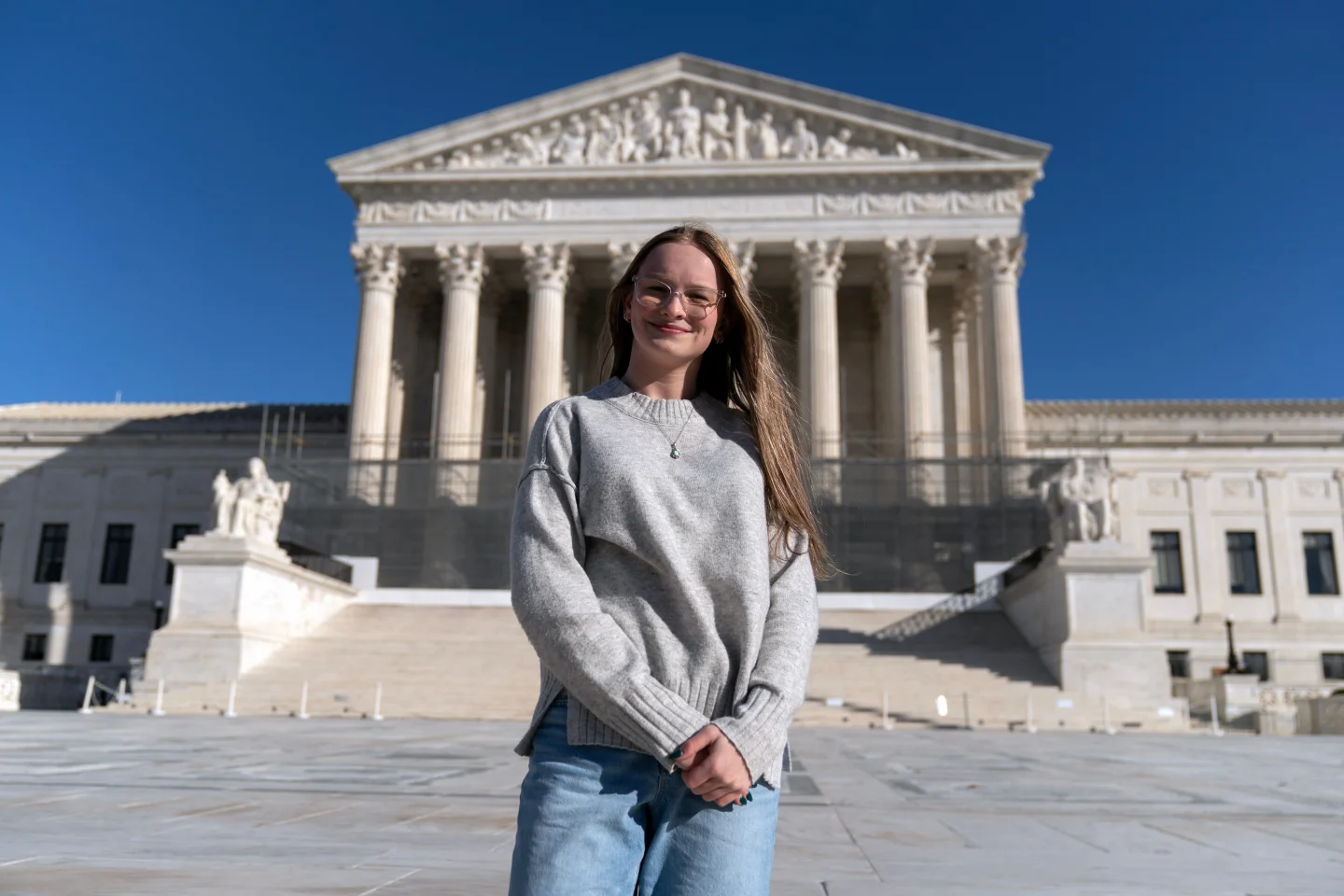
WASHINGTON (AP) — The Supreme Court is set to review arguments on state laws denying transgender female athletes the right to participate in school sports.
In lower courts, decisions in favor of transgender athletes emerged from cases in Idaho and West Virginia, yet the conservative majority in the Supreme Court may diverge from these precedents.
Over the last year, the justices have made rulings that have bolstered state restrictions on gender-affirming care for minors and allowed enforcement of various limitations on transgender individuals.
The ongoing legal discourse is part of a wider campaign, led by former President Donald Trump, aimed to target transgender Americans, including the ban on transgender individuals from military service and the assertion that gender is assigned at birth.
The legal wrangling centers around bans initiated by Idaho and West Virginia, representing the early movements among over two dozen Republican-led jurisdictions seeking to limit transgender athletes’ participation in women’s sporting events.
Arguments presented at the Supreme Court will center on balancing allegations of sex discrimination against the rationale for maintaining competitive fairness for women and girls as claimed by states.
Among the plaintiffs is Lindsay Hecox, 25, who initiated legal action against Idaho's restrictive laws to try out for Boise State University’s women’s track and cross-country teams. Hecox was unsuccessful in her attempts but previously engaged in club soccer and running.
Also central to the case is Becky Pepper-Jackson, a 15-year-old student who has legally transitioned. Her achievements have made her a notable competitor in West Virginia’s sports scene.
Prominent sports figures are vocal on both sides of the debate, with athletes like tennis legend Martina Navratilova siding in favor of state bans, while others such as soccer icons Megan Rapinoe and Becky Sauerbrunn openly support the athletes’ rights.
The Supreme Court’s determination could hinge on whether these bans contravene constitutional protections or global regulations such as Title IX, a law designed to prevent gender discrimination in education and athletics.
Interestingly, following a 2020 ruling by the court recognizing LGBTQ individuals' protection from discrimination in workplaces, the current conservatively held court seems hesitant to extend those protections in these cases regarding athletic participation.
The states advocating for the bans argue there is insufficient evidence backing the comparability of workplace protections to Title IX considerations.
Lawyers for Pepper-Jackson contend that their case exemplifies discriminatory practices against transgender individuals, seeking legal acknowledgment for her unique transition experience; meanwhile, Hecox's legal team aims for the court to declare her case moot.
Despite the relatively small number of individuals involved, the implications for transgender athletes have sparked considerable interest, particularly as organizations like the NCAA have aligned with bans following Trump’s executive directives prohibiting transgender women from women's sports.
Most Americans display support for these limits, as reflected by polls indicating a majority favor requiring transgender youth to compete according to their sex assigned at birth rather than their identified gender.
The anticipated ruling from the Supreme Court is expected by early summer, possibly reshaping the landscape for transgender athletes across the United States.