In brief
On 17 June a cold‑storage warehouse near Boyle Heights erupted, spreading 85 million lbs of decaying meat and fish. The odor has prompted flies, rats and angry consumers to avoid the neighbourhood. While Lineage says 80% of the waste is removed, the city deems progress insufficient. Mayor Karen Bass has issued executive orders, sent air‑purifiers and fined the firm, demanding a complete clean‑up by 13 August.
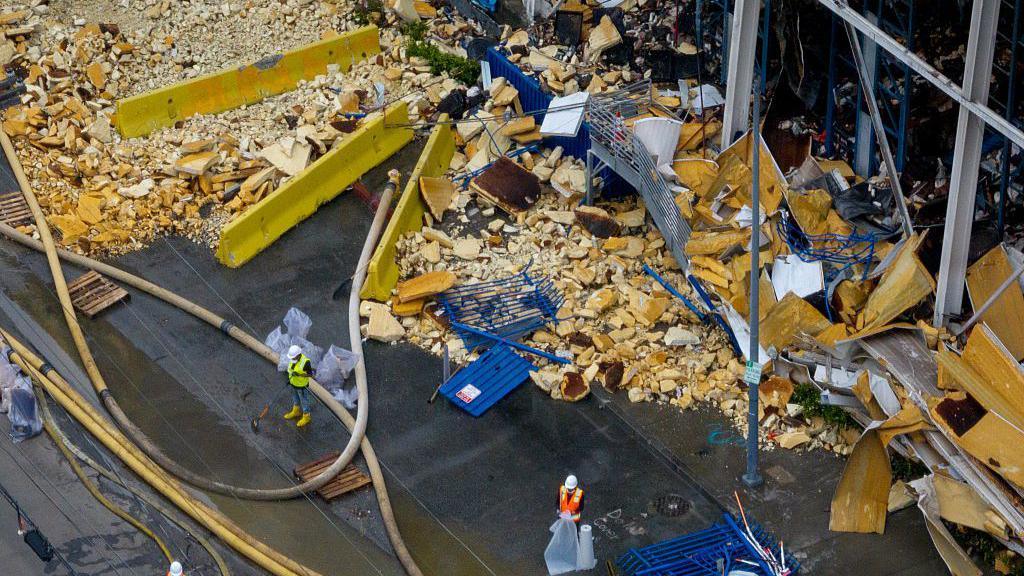
A colossal cold‑storage warehouse fire on March 17 in Boyle Heights ripped the city’s silence, scattering roughly 85 million pounds of rotting meat, poultry and seafood across the block. The heat‑driven decay has released a pungent, almost nauseating odor that residents describe as “like a dead body.”
The smell has reshaped local life. Coffee‑stand owner Alexis Sicairos recounts a once‑busy corner now empty, as customers flee from the stench, flies, and smoke. Flies swarm over tables, while blocking the air, slipping past the watch the small coffee shop still keeps open.
City officials accuse the warehouse’s operator, Lineage, of tardy cleanup. The company claims 80 % of food waste is removed, yet residents allege the work is incomplete and the odor persists. The Los Angeles mayor’s office has stepped in, issuing executive orders to deploy air‑purifiers, mobile health clinics and increased pest‑control to protect residents from diseases caused by flies breeding in the waste.
In a public letter, Mayor Karen Bass criticised Lineage’s public‑engagement failure, urging the firm to clear the site by 13 August. “We must protect the health and safety of the community,” she said. A fine of $500 a day was imposed by the county’s public‑health department for unsanitary conditions.
The cleanup is estimated to cost between $80 million and $100 million. Workers in hard hats have been dismantling damaged warehouse sections. Meanwhile, community protests in red and black t‑shirts press for faster action and more resources.
The incident has turned Boyle Heights into a stark example of how industrial accidents can choke a neighbourhood’s economy and environment, spotlighting a need for stringent safety standards and rapid municipal response in emergencies.