Riyadh Airport Attack Highlights Houthi Threat to Saudi Stability
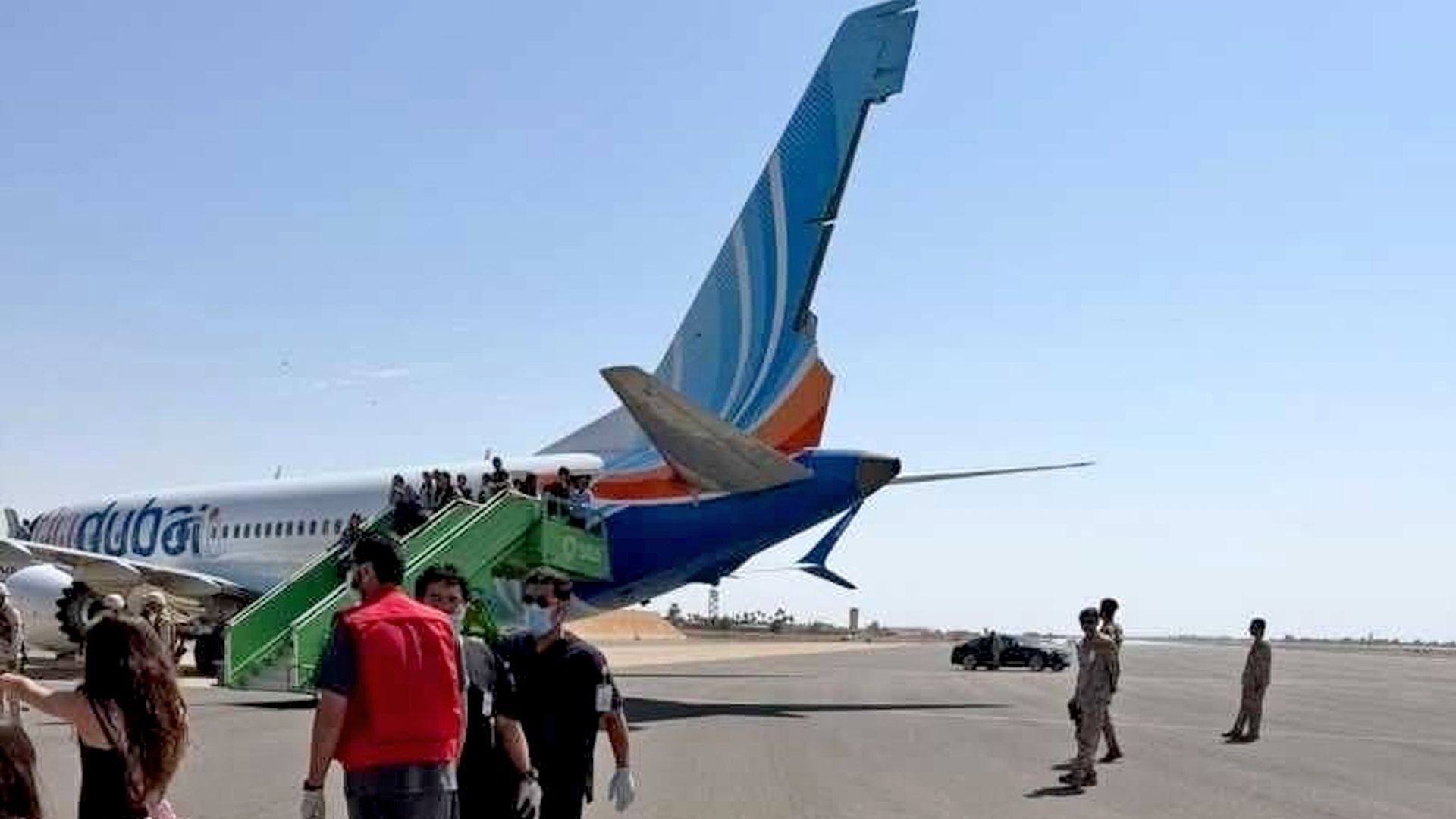
On Saturday, a Houthi‑fired drone struck King Khalid International Airport in Riyadh, breaching Saudi air defences and setting fire to a terminal area. The strike was swift, causing only superficial damage but it challenged the image of Saudi Arabia as a secure and stable hub for international travel.
While the physical harm can be rapidly repaired, the attack has deep regulatory and diplomatic repercussions. It underscores the Houthis’ ability to strike at the heart of the kingdom’s economic infrastructure, raising doubts about the resilience of Saudi civil and security systems.
This attack is part of a wider pattern. The Houthis have been capturing coastal and strategic positions on Yemen’s Red Sea frontier, threatening the crucial shipping lanes that pass near the Bab al‑Mandeb Strait. Such aggression risks anchoring the jetty’s commerce—aftermore, the Strait of Hormuz remains a hotbed of volatility in Middle‑East geopolitics.
The conflict in Yemen is a decade‑long war between the internationally recognised government, supported by Saudi Arabia, and the Iran‑backed Houthis. Its humanitarian toll is staggering, while the political stakes in the region remain high for all parties involved.
In the international arena, the recent raid has prompted a reevaluation of U.S. policy. While the White House has offered intelligence support to Saudi Arabia, the possibility of U.S. military intervention—particularly amid a looming midterm election—creates uncertainty about future escalation.