In brief
In August 2026, thirty pioneer families returned to Kadim, a settlement closed 20 years ago by a prior Israeli government. The arrival, backed by the far‑right finance minister and Knesset speaker, highlights a broader push to expand settlements before the October elections. Palestinian residents, who witnessed the settlement’s earlier evacuation, expressed fear and anger over the renewed occupation, while the BBC reports on how the move aligns with a pattern of rapid settlement growth around Jenin. The reopening follows the opening of Ganim, Sanur and Homesh, marking a systematic re‑introduction of Israeli outposts in the occupied West Bank. International bodies have condemned the expansion, labeling all settlements as illegal under international law.
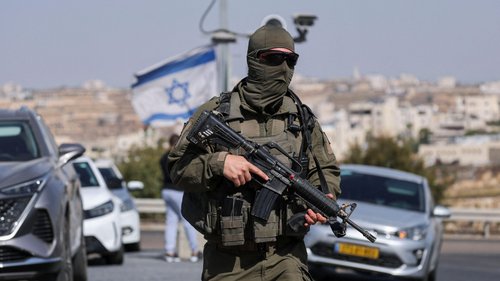
A new generation of Israeli settlers has re‑established Kadim, a settlement on the outskirts of Jenin that was abandoned in 2005. Thirty pioneer families arrived from Tel Aviv on Thursday, arriving in small groups, some with military escort, their cars bearing blue and white flags. The event marks the reopening of a site that was previously shut down by an earlier government as part of a unilateral disengagement plan.
Finance Minister Bezalel Smotrich, the Speaker of the Knesset, and Yossi Dagan, head of the regional settlers’ council, attended the ceremony. Smotrich closed the ceremony by framing the move as a “correction of a crime” – 21 years after the expulsion of settlers from northern Samaria – and claimed the return to Kadim would resume the boys’ presence in the area.
Kadim sits on a hill outside the Palestinian city of Jenin. The settlement was evacuated in 2005 by a previous government that saw it too isolated and costly to protect. The new government has recently lifted the 20‑year ban on Jewish settlements around Jenin, allowing new settlers to return to Kadim and the three other abandoned outposts – Ganim, Sanur and Homesh. Officials say these moves are part of an effort to re‑plot the West Bank before October’s elections.
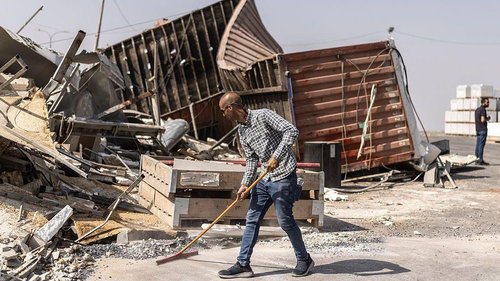
In the days following the reopening, white trailer homes have been erected on the hilltop, ready for families to move in. Local Palestinian residents have reported growing anxiety as they witness settlers coming that once left a peaceful coexistence.
A Palestinian farmer who grew up in the area since 1948 told reporters that Kadim was originally built during the early years of Israel’s occupation. He remembered watching the settlement flourish, then seeing its inhabitants forcibly removed two decades later. Its return “creates a sense of fear” and “a life of anxiety” for people living nearby.
Minister Smotrich’s remarks echoed similar rhetoric from other Israeli officials who predicted that settlers would someday re‑enter Gaza. The CBS News section "Settlement Watch" notes that the rapid construction of settlements in Jenin and surrounding areas shields a race to expand property before electoral deadlines. Emek Dotan, a new settlement to the west of Jenin, was opened last Sunday and now hosts almost two dozen new families.
Photographers from the BBC field have documented the tension around the new outposts, noting that settlers regularly bypass adjoining Palestinian houses, film residents, and use floodlights at odd hours to penetrate windows. Palestinian Authority Governor Kamal Abu al‑Rub expressed concern that the Israeli seizure of land around Jenin Refugee Camp may be a prelude to establishing settlers inside the city, echoing wider fears of further occupation.
The new settlement activity comes at a time when the Israeli electorate faces a looming election. The United Nations has echoed earlier calls for a cessation of settlement activity. Nevertheless, the Israeli Defence Forces have paved roads, erected foundations, and secured high concrete walls, signaling a rapid shift in the region’s physical and political landscape.
International protests have already been staged, with communities worldwide calling for the end of illegal occupation. The episode at Kadim underscores the broader tension between Israeli policy shifts, Palestinian fear, and the pragmatic interests of a nation on the cusp of national elections.