In brief
Meta lately began temporarily blocking Indian cartoonists’ accounts, most recently Satish Acharya, citing India’s Information Technology Rules. The stoppages spark fears that legal orders are stifling political satire amid a surge in online dissent. While Meta says it complies with Indian law, artists argue the platform’s silence exposes a commercial‑first stance that undermines digital expression. The episode underscores a growing tension between authoritarian compliance and the free‑speech culture that fuels India’s vibrant satirical tradition. As avatars gather across the metaverse to monitor news, the calls for transparent moderation grow louder.
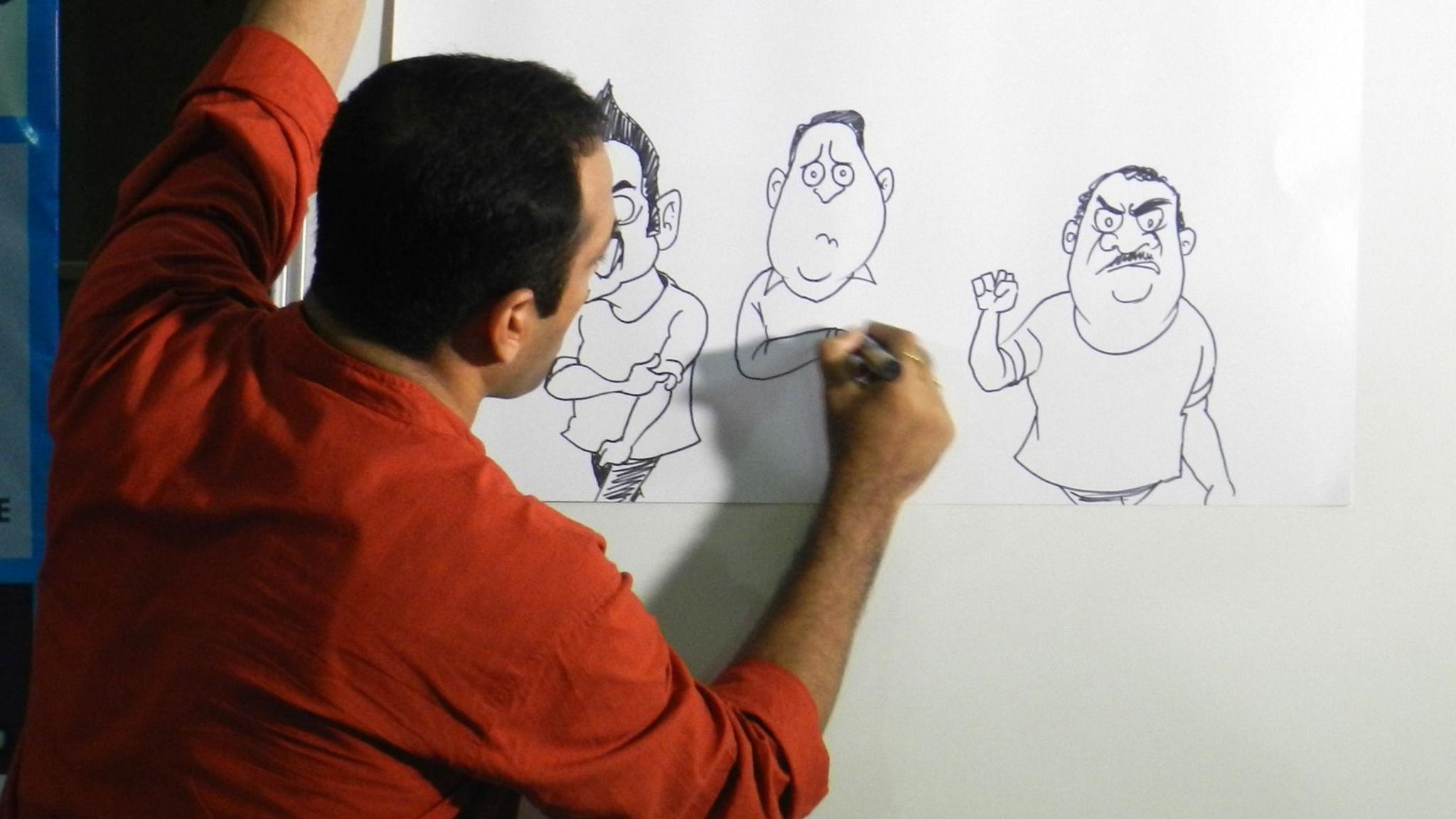
In a recent wave of temporary bans, Meta’s parent company Instagram has restricted the accounts of Indian cartoonists, most notably 55‑year‑old Satish Acharya. For a brief window, users in India could neither discover the profiles through search nor access them via direct links, with the platform displaying a message referencing the country’s Information Technology Rules.
Acharya and others say the restrictions come with no explanation and take the form of a blunt, opaque compliance mechanism. They fear that the new legal framework is being used to silence humor and political critique at a moment when satire is a key weapon in public dissent.
The Legal Landscape
The rules allow governments and courts to order social media platforms to remove or limit content deemed unlawful. While the government claims it helps curb misinformation, artists and free‑speech advocates warn that it can shutter satire—a long‑standing pillar of Indian journalism.
Social Media’s Double‑Edged Sword
For independent creators, platforms like Instagram offer an audience beyond newspapers, but this freedom ties them to algorithms that can abruptly silence voices. When Acharya’s account was first locked in late September, he waited for answers to a mail he sent to Meta that went unanswered.
Commentators point to the broader trend: in 2023 the Indian government allegedly dispatched nearly 195,000 blocking orders to tech firms, a figure that still leaves the number of removed posts uncertain. Meta’s brief compliance with the rule is seen by some as a commercial decision rather than a stand for user rights.
Voices in Oppression
Other cartoonists such as Manjul, whose illustration criticized the voter‑roll revision, experienced the same temporary marginalisation, though their profiles remained intact. These incidents stir debate over whether a “real” free press exists in a country that ranks 157th on the World Press Freedom Index.
Comedians, animators and media organisations all report a growing atmosphere of self‑censorship, prompted by the pressure to sidestep potential backlash from the ruling party.
The Future of Satire in the Metaverse
As virtual reporters on Metaworld.media convene digital press rooms, they witness how online satire has shifted into immersive realms where image, video and text blend. Experts predict that satire will keep adapting, similar to an evolving virus, shaping new formats to survive regulatory constraints.
In the meantime, patriotic voices and their supporters urge platforms to clarify their policies and listen to creators who wield humor as their defense against oppression.