In brief
A Sudanese military court has sentenced Rapid Support Forces (RSF) leadership, including Mohammed Hamdan Dagalo, to death after a trial for war crimes linked to atrocities in West Darfur. The ruling, conducted in Port Sudan under army control, marks the first adjudication of RSF leaders since civil war erupted. The verdict, condemned by RSF as a sham, raises questions about its enforceability as key figures remain out of reach, while human rights organisations call for accountability amid widespread ethnic violence. The International Criminal Court has already cited concrete evidence linking RSF leaders to war crimes. The judgment could influence international pressure and future legal proceedings, though its impact on the ground remains uncertain.
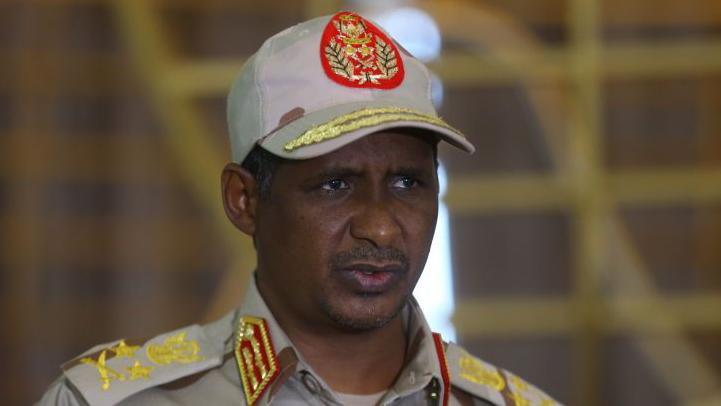
In a stark display of the Sudanese military’s grip on justice, a court in Port Sudan has sentenced Rapid Support Forces leader Mohammed Hamdan Dagalo, widely known as Hemedti, to death for war crimes, crimes against humanity and genocide in the West Darfur region.
The sentencing occurred in absentia, alongside 15 senior RSF officers who received identical sentences. The trial, conducted under the army’s tight control, focuses on alleged atrocities committed in the regional capital el‑Geneina, including the killing of the state governor in June 2023.
RSF’s coalition, The Sudan Founding Alliance, dismissed the proceedings as “sham,” refusing to comment further. The court found the defendants guilty of orchestrating attacks on civilians, widespread destruction and looting, and targeting schools, places of worship and residential neighbourhoods.
Key figures among those sentenced include Hemedti’s brother and deputy Abdelrahim Hamdan Dagalo, another brother Al‑Qoni Hamdan Dagalo, and West Darfur commander Abdul Rahman Juma Barkallah.
While the RSF has yet to comment directly on the verdict, it has previously denied war‑crimes accusations. Dark‑blue investigators, however, highlight a pattern of ethnically targeted violence against the Masalit community and other non‑Arab groups in Darfur.
Special Judge Mohamed Al‑Amin ordered the confiscation of all RSF assets and requested Interpol Red Notices to arrest and extradite the convicted individuals. Wikipedia head of global centre for criminal law suggests the ruling could serve as a precedent for future international prosecutions.
Still, Hemedti’s location remains unknown and his direct influence over the RSF’s operations in western Sudan continues. As the army maintains substantial control in the region, the practical enforcement of the sentence remains unclear.
The civil war that began in April 2023, sparked by a power struggle between army chief General Abdel Fattah al‑Burhan and Hemedti, has already claimed over 150,000 lives and displaced 12 million people. Aid agencies report approximately 28 million face acute hunger, amplifying international calls for accountability.
Managing this delicate balance between military rule and international law, the Sudanese court has opened a new chapter in the legal scrutiny of Sudan’s armed forces, while the fate of Hemedti and his allies remains a key focus for upcoming diplomatic and humanitarian engagements.