In brief
Donald Trump’s return to the White House marked a decisive shift in US immigration policy. Five key changes – a near-closed border, accelerated wall construction, a surge in detentions and deportations, a steep drop in refugee intake, and tighter visa rules – reflect his administration’s hard‑line stance. While the border wall and enforcement gains are touted as successes, critics question the humanitarian and economic costs of these reforms.
Five ways Trump has changed immigration in the US
Immigration has always been central to Donald Trump’s message.
When he famously stepped onto Trump Tower’s golden escalator to announce his 2015 candidacy, Trump accused Mexico of sending drugs and crime north of the border – an accusation that has driven much of his platform. While his first term faced court obstacles, his second term has seen firmer enforcement backed by a supportive Supreme Court and billions of dollars in new funding.
The 2026 mid‑term elections are increasingly being viewed as a referendum on these immigration policies, with voters weighing the balance between security and fairness. Trump delivered a largely closed border and mass deportations, but the crackdown may have gone too far for some even in his base.
1. A border that is largely closed
Border encounters exploded in 2023‑24 under Biden, reaching over 4.5 million migrant “encounters.” The Trump administration dramatically reduced those numbers by freezing asylum claims, suspending “catch and release,” and deploying troops. By the end of his first year, the chaotic scenes that defined the previous administration almost vanished, turning El Paso from a makeshift camp into quiet streets.
2. Building of wall – speeding up
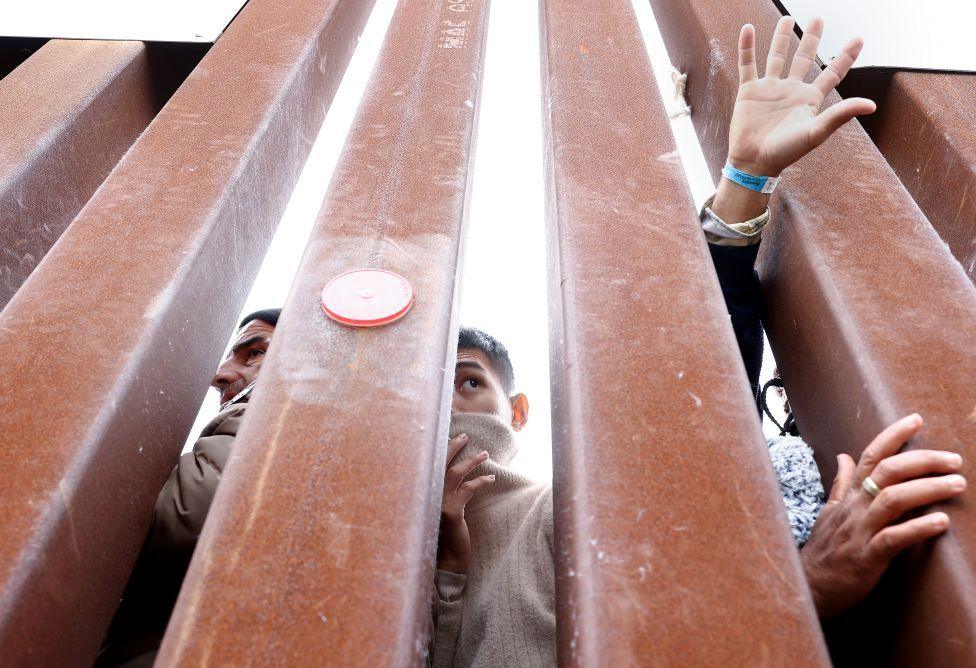
A promise of a “big, beautiful wall” began to materialise in Trump’s second term, fueled by $46.5bn in new wall‑building funds. From 644 miles of primary wall in 2015, 250 additional miles of primary, secondary and waterborne barriers have been completed, with 1,443 miles still under construction.
Critics argue the wall has not substantially altered crossing numbers; instead, policy shifts and messaging have driven reductions. Trump continues to tout the wall as a success, claiming Mexico has paid for it through tariffs.

3. Detentions and deportations rocketing
ICE actions have surged in Trump’s second term. In July 2026, about 50,000 people were arrested – a record for the month – and deportations averaged 1,255 per day, up from 770 in Biden’s final months. Much of the rise involves non‑criminal detainees, with only 27% of those with criminal histories being arrested in July 2026.
The plan, described as the “largest deportation operation in American history,” has sparked controversy. Operation Metro Surge in Minneapolis left two US citizens dead, and public sentiment remains split—democrats outnumber Republicans in trust for handling immigration, despite it being a GOP stronghold.

4. Refugee intake down sharply
Trump almost immediately suspended refugee admissions upon returning to office, only reopening it narrowly for Afrikaners in February 2025 under an executive order. The 2026 fiscal‑year ceiling rose from 7,500 to 17,500 amid a claimed “unforeseen emergency.” Ultimately, 16,292 refugees entered the US, 16,287 of them from South Africa.
The policy also ended Temporary Protected Status for roughly 350,000 Haitians in June, following a Supreme Court decision, stripping thousands of their legal protection.

5. A squeeze on visas – and a $1m golden ticket
Legal pathways have tightened: dozens of countries face visa freezes, and new rules—such as returning overseas residents for green‑card applications—slow the process. In September 2025, a $100,000 fee was introduced for new H1‑B visas, primarily affecting Indian tech workers. Though a court temporarily blocked the fee, the threat has already lowered registrations by 40% for 2027, though experts say the wage impact on US workers will be minimal.
Simultaneously, the “Trump Gold Card” invites wealthy foreigners to invest $1m in the US in exchange for a $15,000 application fee. By April, only one applicant had been accepted, indicating limited uptake.

For more on how these policies play out in the 2026 mid‑term elections, check out the guide on US midterms and the deeper analysis on the real reasons behind the shift in young political engagement.