In brief
For over a year, the people of Gaza have endured severe power shortages, with electricity cut off during the ongoing conflict, forcing the population to adapt in desperate ways.
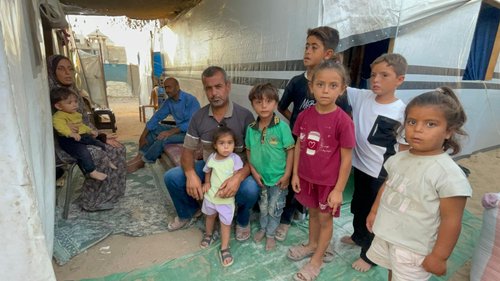
In Deir al Balah, Mariam Abu Amra’s family dreads nightfall. For more than a year now, when the sun sets, their home plunges into a frightening darkness, and the only light comes from the flickering screens of cellphones. “Every evening is sheer anxiety for us,” said 36-year-old Mariam, reflecting on the terrifying environment her six children have grown accustomed to. It’s been more than twelve months since Israel disconnected electricity from the Gaza Strip in early war measures aimed at crippling Hamas. This blackout has severely impacted daily life, rendering basic necessities — from medical devices to everyday lights — into unattainable luxuries.Mariam recalls the stark shift in her family’s lifestyle. "I never realized how deeply we depended on electricity," she lamented, noting that she now cooks over open flames and manually washes clothes before dusk. “I’m forced to wake up at the crack of dawn to make the most of the limited daylight.” Her accounts highlight a broader narrative of desperation afflicting the region. Families share makeshift meals illuminated by the weak glow of smartphone screens, evenings spent around flickering flames amidst the ruins of their homes. “Sometimes the kids ask me when the electricity will return,” she added, burdened by the painful reality that she cannot reassure them.The protracted deprivation creates fundamental challenges for Gazans, who find themselves grappling with the harsh realities of survival without electricity. The absence of power not only complicates daily chores but also heavily strains familial bonds, as fear and uncertainty loom over their lives. Even as the world watches, the people of Gaza continue to cling to hope amidst the encroaching darkness, enduring an unending struggle in a situation that seems far from resolution.