In brief
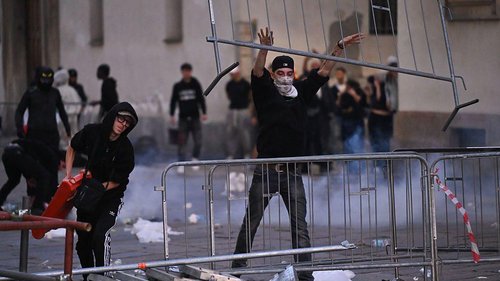
Cuba is currently experiencing significant challenges, with a deep national blackout coinciding with severe hurricane conditions, leading to heightened frustrations among its citizens and posing a considerable challenge to the Communist regime.
In Havana, Lidia Núñez Gómez and her family faced a race against time when the power returned on Sunday night after days of darkness. With her electric cooker, she hurriedly prepared the frozen poultry sent by her son from the United States. The recent four-day blackout, coupled with a hurricane wreaking havoc on the eastern coastline, has left many, including 81-year-old Núñez, grappling with limited supplies and an eerie sense of despair.Her daughter, Nilza Valdés Núñez, 61, expressed her frustration amidst tears as she reflected on the compounded crises: "The lack of electricity, of gas, and all the other problems we have here make you feel bad." The situation is dire; both food and gas shortages have become increasingly severe, transforming what should be ordinary life into a constant struggle for survival.Cuba has historically faced challenges, but the current combination of consistent power outages and extreme weather conditions has escalated public anger. Experts warn that the nation stands on the precipice of widespread discontent, raising concerns about potential social unrest that could threaten the established order.As residents navigate through their daily lives amidst these adversities, the need for change and improved living conditions becomes ever more urgent. The pressing issues of consistent energy supply and access to basic necessities highlight a critical moment in Cuba's ongoing narrative, as citizens await a resolution to their plight, hoping for brighter days ahead.