In brief
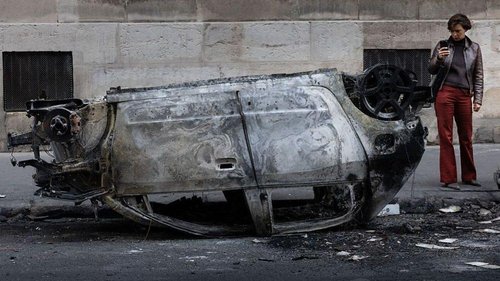
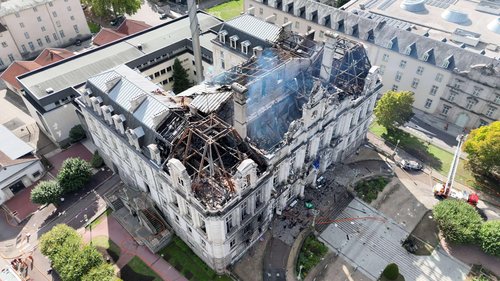
Milan erupted into violent clashes on Saturday and Sunday as millions protested Italy's high cost of living, prompting police to deploy tear gas and water cannons. Prime Minister Giorgia Meloni called an emergency meeting to address the crisis, condemning looting and vandalism while urging political rivals to denounce the riots. Over 200 arrests were made, predominantly minors, while the unrest spread to Turin and Bologna. Meloni demanded a unified condemnation to prevent escalation, as similar unrest ripples across Europe.
Italian Prime Minister Giorgia Meloni convenes an emergency security briefing after week‑end clashes in Milan.
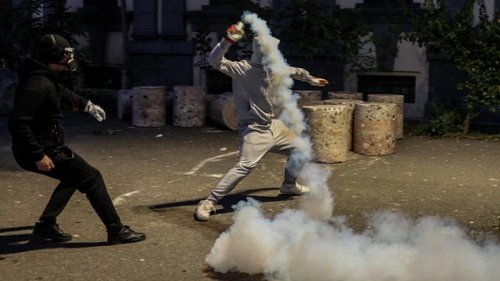
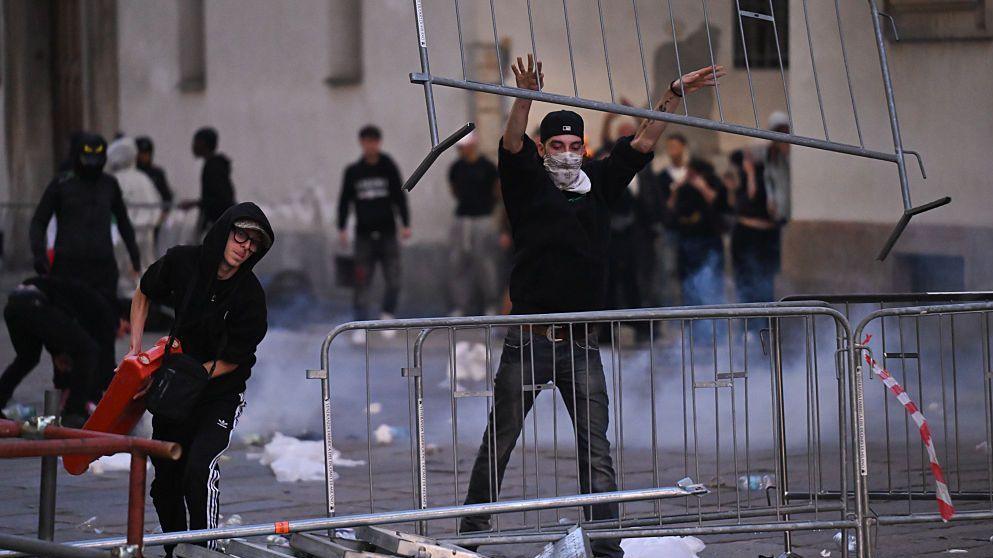
In a city that saw more than 5,000 people gather over Saturday and Sunday, police responded with tear gas and water cannons when protesters—many wearing masks—threw stones, bins and chairs at officers, turning what began as a cost‑of‑living protest into a violent confrontation.
Meloni warned that while the right to protest remains, “it is not acceptable to lay our cities to waste.” She accused “hooligans” of exploiting the demonstrations to sow chaos and called for a unified, unequivocal condemnation from all political forces, arguing that hesitation could be interpreted as endorsement.
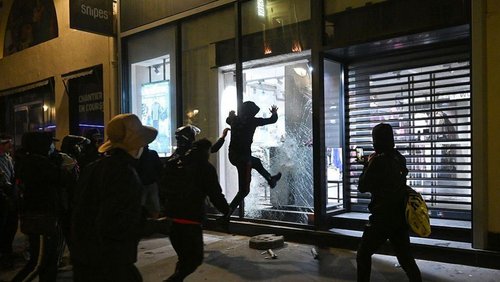
The mayor of Milan, Giuseppe Sala, expressed concern that the unrest signifies a new, internationally linked phenomenon, noting smashed shop windows and looted stores in the streets. Police logged the detainment of more than 200 individuals—80% minors—across the city.
The violence spread to other northern towns: Torino saw detained protesters armed with cobblestones and window‑breaking hammers, while Bologna closed a train station after a similar disturbance. Five adults face prison sentences for looting, vandalism and resisting arrest, prosecutors said.
Despite the turmoil, Meloni urged her political opponents to express unambiguous condemnation. Democratic Party leader Elly Schlein affirmed her party’s stance against violence while emphasizing that peaceful protestors are fighting for a livable future and should not be stifled by the riots.
The Saturday‑Sunday unrest in Milan is part of a broader wave of European protests that rose against economic hardship, echoing violent outbreaks in France, Spain, and Albania. As leaders scramble to restore order, the crisis underscores a widening social and political fragmentation across the continent.