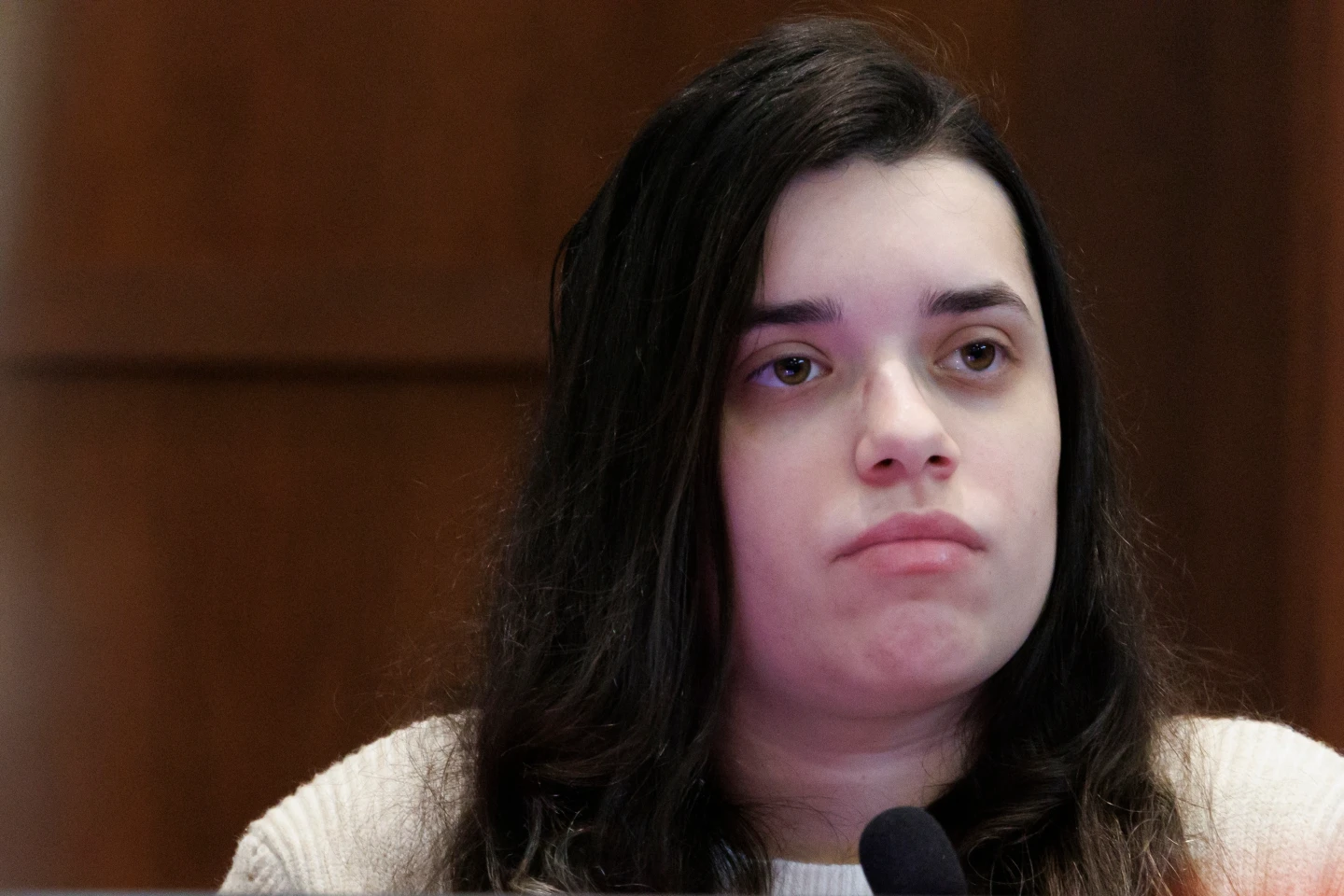
When university student Miles Kwan launched a petition demanding answers from Hong Kong authorities after one of the city's deadliest fires last week, he was arrested.
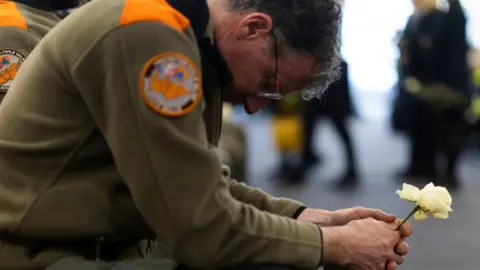
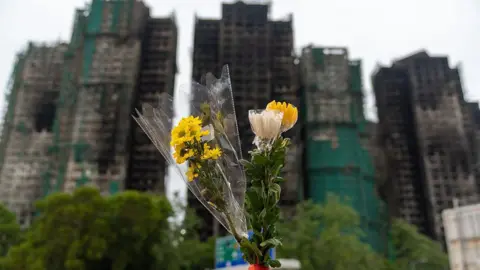
The ferocious blaze had ravaged a densely populated housing estate in the northern Tai Po district, killing at least 159 people and displacing thousands.
As public anger grew, the pro-Beijing authorities warned, repeatedly, against attempts to exploit the fire to endanger national security.
Kwan was reportedly arrested by Hong Kong national security police on suspicion of sedition. He is now on bail, according to local media.
Police told the BBC that it would handle any action taken in accordance with the law and the actual circumstances.
There was also a strong public reaction to the arrest. To some, the decision to arrest him was baffling. To others, it was simply Beijing's playbook, replicated. The Hong Kong government says that it's about trying to protect rule of law in a testing moment for the city.
Ronny Tong, a member of Hong Kong's Executive Council, disputed the suggestion that Hong Kongers are being suppressed. The government is trying to be prudent, he tells the BBC.
Regina Ip, another Hong Kong lawmaker, also defended the arrests. Authorities are being extra careful that public anger does not lead to a recurrence of the 2019 riots, she told the BBC's Newshour radio programme.
Among the questions in the petition and being asked by many Hong Kongers include how the blaze could have swept through the buildings so rapidly and whether any government officials should be held responsible.
Kwan's petition, which listed four demands - echoing the five demands, not one less slogan that rallied protesters in 2019 - gathered more than 10,000 signatures in less than a day before it was taken down.
Days later, the city's leader John Lee said Hong Kong would go all out to support victims and investigate the blaze.
He announced a number of actions such as the convening of an independent committee to investigate the fire, a review of the building works system, and temporary accommodation and financial aid to victims.
Many of these were what people were calling for already - and they also formed a part of Kwan's petition.
It's baffling how Miles was [arrested] for asking basic questions on behalf of many residents, which the government went on to address anyway, said Samuel Chu, a pro-democracy activist who reposted Kwan's petition on a separate platform.
In the past week, authorities have also arrested 15 people on suspicion of manslaughter and ordered the removal of mesh netting from all buildings undergoing renovations after investigators found that the one wrapped around the charred complex did not meet flame retardant standards.
Separately, one woman has been arrested for trying to profiteer from the crisis using a fake fundraising campaign.
China's national security office in Hong Kong swung into action swiftly after last week's disaster, warning that it would take action against anyone trying to instigate black terror - a phrase Beijing had used to describe the 2019 protests.
In a more strongly-worded statement this week, it vowed to punish hostile foreign forces... no matter how far away they may be.
On social media in HK, comments piled in responding to the arrest. Most of them were unhappy over the arrests and the government response. Demanding the truth is considered incitement? one such comment said.
John Lee, Hong Kong's chief executive, sidestepped questions about his job security in light of the fire, instead promising to take action against any sabotage of relief efforts.
No government official has yet been arrested, though those arrested on suspicion of manslaughter are primarily from the construction sector.
The issue continues to dominate discussions in the region, illustrating the delicate balance of addressing community grievances while managing state security.
This article and headline were updated to add more precise attribution over the basis of arrests and that Kwan is now out on bail, include a police response to the BBC and add more context about public and government reaction.